 This is Khayelitsha, a township situated on the outskirts of Cape Town. The name is Xhosa for New Home. Founded in 1985 it was one of the apartheid regime’s final attempts to enforce the Group Areas Act. Today a staggering 400 000 or more people live here today, mostly black, spread out in an area of about 45 square kilometres.
Xhosa is the predominant language spoken here, but also Zulu, Afrikaans, English, Tswana, Northern Sotho, Sotho, Tsonga, Swazi, Venda, Southern Ndebele are spoken, which gives an idea of the mix of people and the influx from different areas of Africa the people have migrated from.
 There are more formal areas with small 2-room brick build houses, so called Mandela houses, which they started to develop after ANC came to power in 1994. The Mandela houses are mostly home to a small but growing middle class/upper working class population.
 And then there are the informal shacks that house around 70 percent of the inhabitants.
 These street-photos were taken whilst we were driving around. No spontaneous stopping and no walking about.
 This is a fully functioning community with all kinds of services provided. People who live here and work outside, do all their shopping here when they come home, as they get so much more value for their hard-earned income. They have all sorts of shops here. That they come in somewhat unconventional packages doesn’t change the fact that there is a lot of strength and drive here.
 A furniture shop. All the shops I saw were housed in old containers.
 Food preparation on the side of the street.
I visited Khayelitsha with a group of Swedes guided by a man called Bosse, who has been living here in Cape Town for many years. One reason I chose to go with him as a guide was that his visits include a project called Philani, that I was very curious to see.
 Philani means “we are in good health” and was founded in 1979 by a Swedish doctor, Dr. Ingrid le Roux together with archbishop Desmond Tutu, to provide basic child health and nutrition services to a community ignored and neglected by the health authorities of the time.
 In 1995 the Philani headquarters was opened in Khayelitsha with offices, workshops and training studios, a shop, a women’s health clinic and a preschool.
They also have an Outreach Home Based child health and nutrition rehabilitation programme, to identify and help the most severely malnourished children lived in marginalised and disorganised households, who don’t seek out help themselves.
 The preschool. A lot of singing and a feeling they were having a great time.
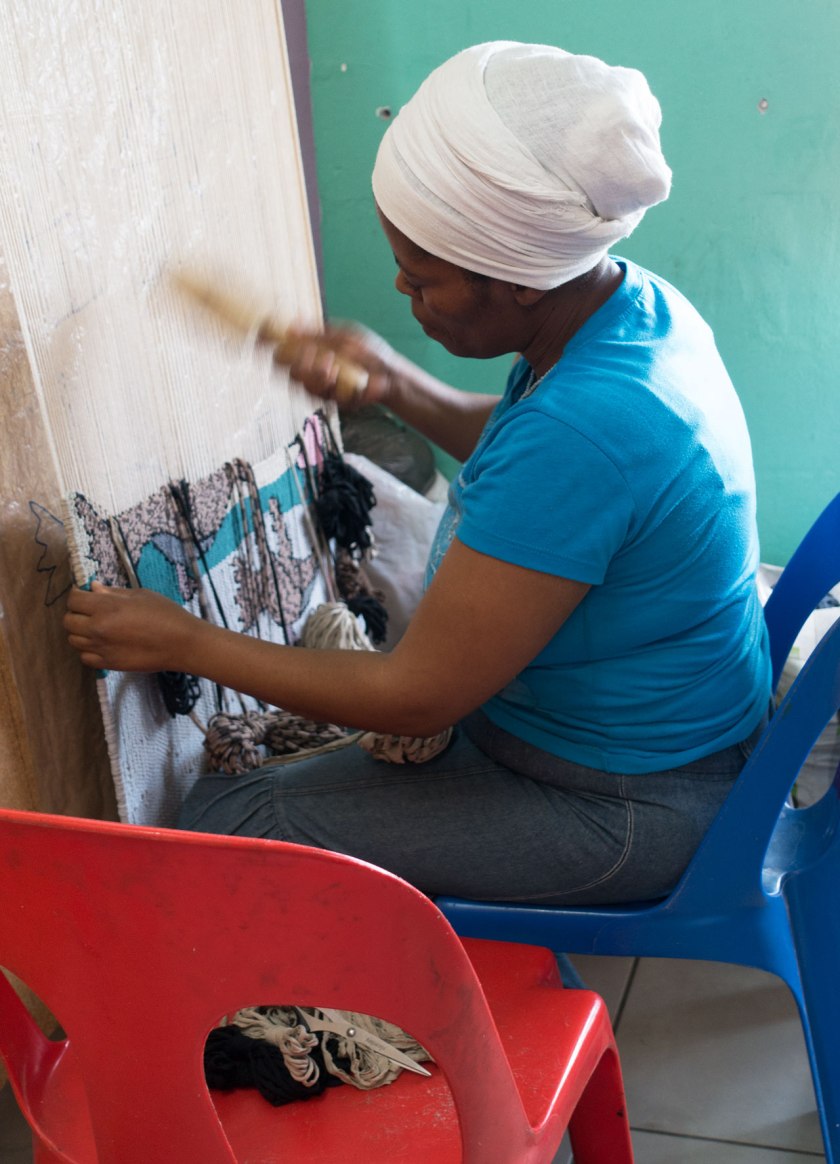 In Philani the women are trained in different crafts such as weaving and textile printing. Making it possible for women to earn an income has become more and more important with the AIDS epidemic. Women who are economically independent have better control over their lives and relationships and a greater chance to protect themselves against HIV.
 They have a shop where they sell everything the women produce in the workshops, enabling the women to actually gain 70 percent of the income herself.
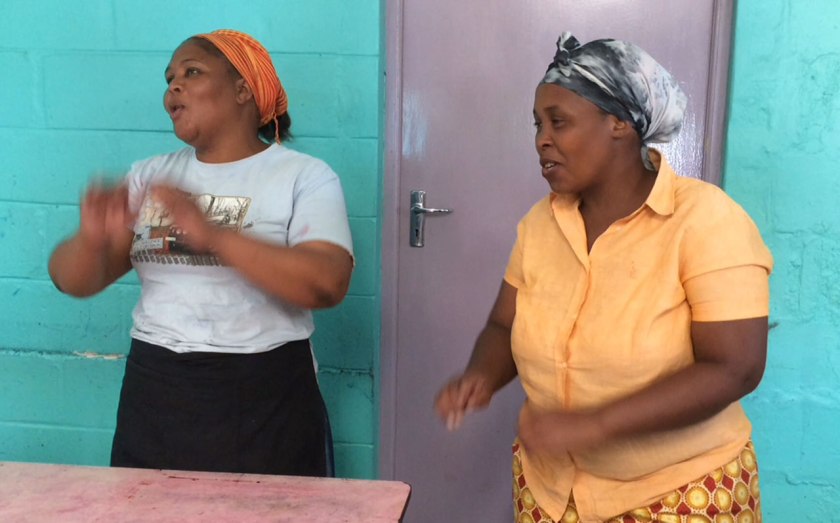 One cannot fail to notice the joy and pride these women have. They all spontaneously started singing when we were in their workshop, and it sent chills down my spine brought tears to my eyes. It was truly beautiful.
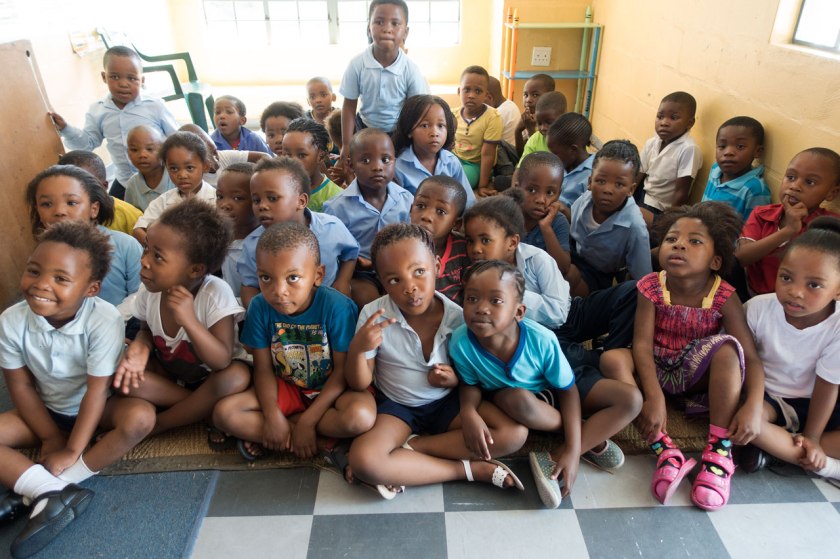 They also have a primary school on the premises.
 These children are privileged to have a school to go to. Too many children were running on the streets here…
 Here is one class waiting to have their lunch. So quiet and obedient. This would hardly be the case in our own country was our spontaneous thought…
If you want to know more about Philani you can find it here
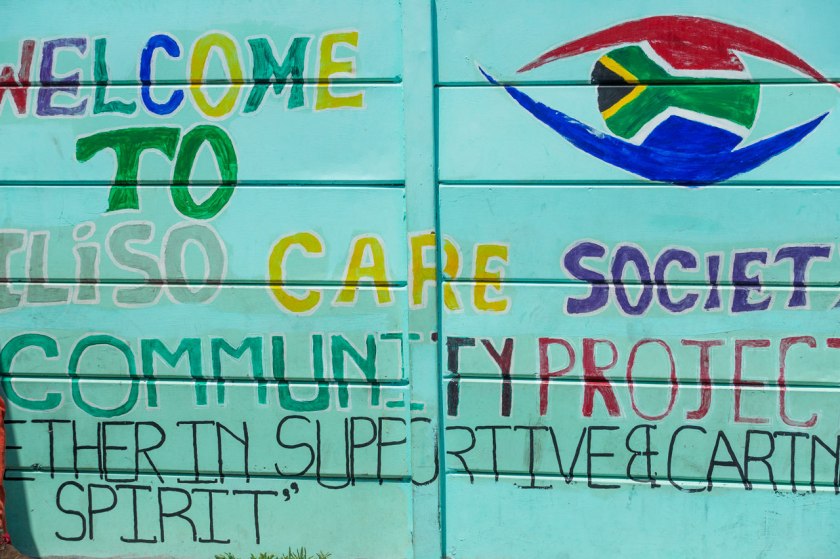 After Philani we went to a community project called Iliso Care Society. Also serving a really good cause, and in addition to preschool and school also reaching pre-adults with choir activity and football.
 In the preschool there is always a mama present providing support and assistance.

 They had several classes in the little school. The children’s dedication was obvious.
 Looking out from the upstairs windows of this project we could see new concrete outhouses, with a toilet in each one. We learned that every toilet, which were padlocked, served five houses each. Counting an average of seven persons in each household makes 35 people for every toilet…
Some ”houses” have electricity. Others not.
Visit Iliso Care Society here
Even facing difficult living conditions, violence and criminality, I left Khayelitsha with a sense that creativity and entrepreneurship does exist and that life force is strong here. It gives hope. The people here will of course continue to need a lot of help and aid from both international as private organisations and from the government too. But I hope that in a near future the numbers will turn around, so that more and more people can live on a decent income and in decent homes.
 That they can have a secure and peaceful life. And benefit from good schools and healthcare for themselves and for their children.
I really appreciated coming here and also to come here with you Bosse, so thanks to you for being the perfect guide!
I would like to end by sharing a moment that really touched my heart!
This is another side of Cape Town but this is the reality here too.
Time to say goodbye Cape Town and thank you to all of you who made my stay here so fantastic!
Thank you Carin, Doreen & family, Natalie, Thekla & Adam, Olivia & Wesley, Francesca & Fabrizio, Gavin & Balti, Özlem, Jac, Claudia, Shany and Annali! And thank you everyone else that I may have failed to mention here. Nothing is forgotten. I will definitely come back!
Copyright and photo: Anita Martinez Beijer
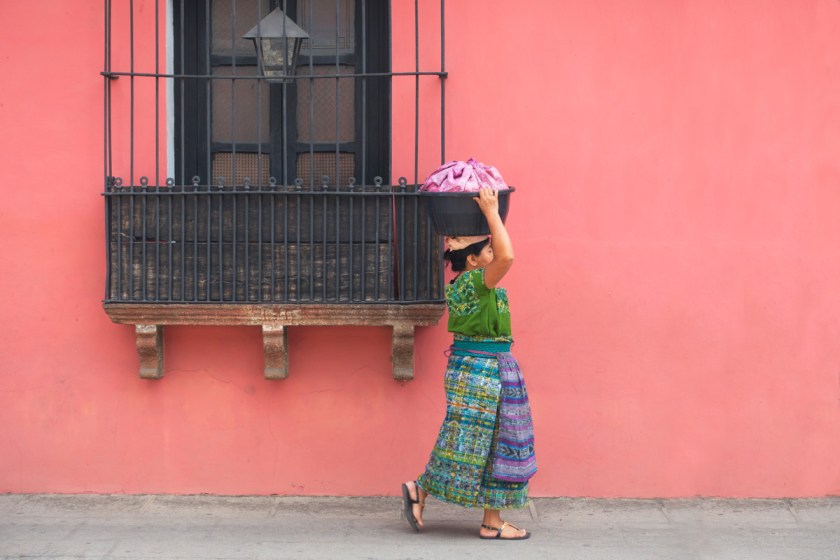
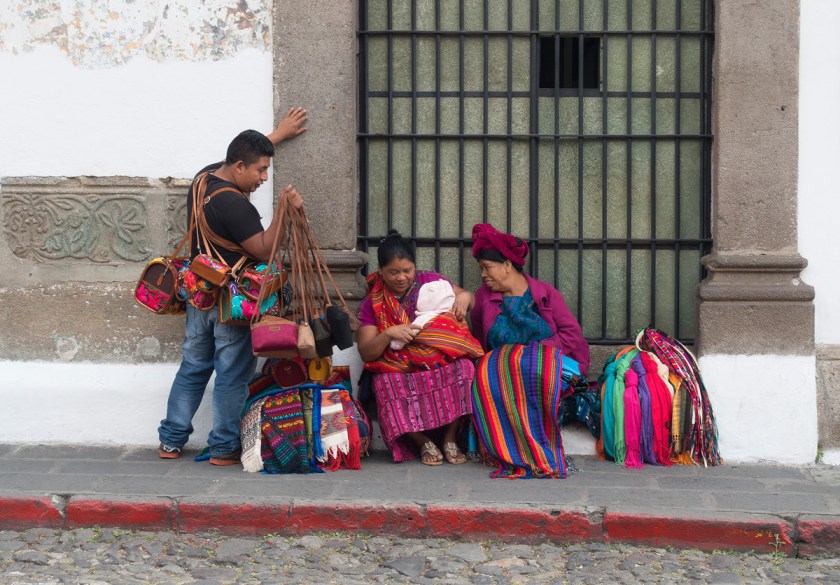 The women here wear the traditional and colourful clothing. The square-cut blouse is called huipil or güipil, the long skirts are called corte, and this is held up by a woven belt called faja. Every region has it’s own distinctive pattern and colour combinations. As a designer I go totally bonkers of delight. The vibrant colours and the intricate patterns of the textiles are so inspiring and I enjoy people watching more than ever here.
 I like the whole feeling of this old town with it’s beautiful buildings in Spanish baroque style, which used to be Spain’s colonial capital before it was severely destroyed by earthquakes in 1773 and the new capital was moved to a safer place, which is where Guatemala City is situated now.
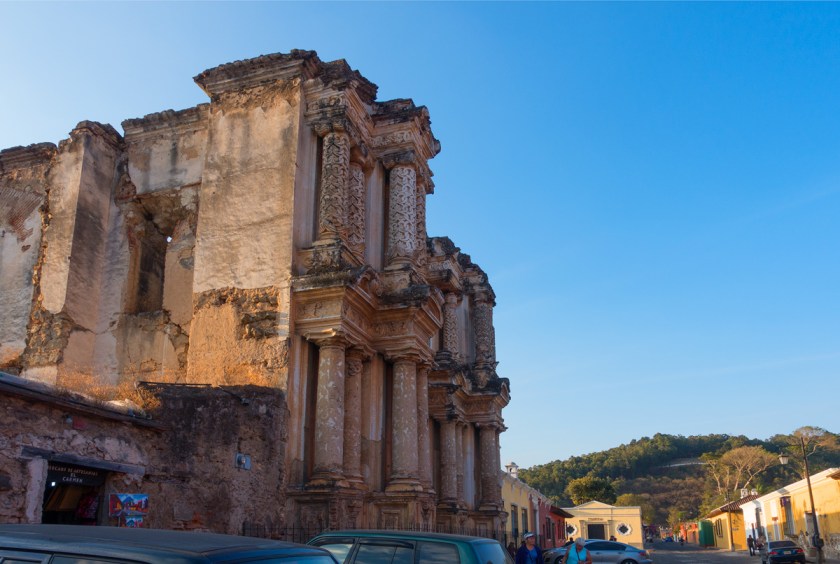 The town is dotted with ruins that remain from the earthquakes.
 The volcanoes that surround the town are beautiful and are a stunning backdrop. This is the Volcán de Aqua. But they are also a reminder of the unpredictability of nature here.
 The volcano Fuego, Volcán de Fuego, is constantly active. When I’m here it’s spewing smoke and has lava running down its sides. It’s kind of scary to have this sight from ones very own bedroom window!
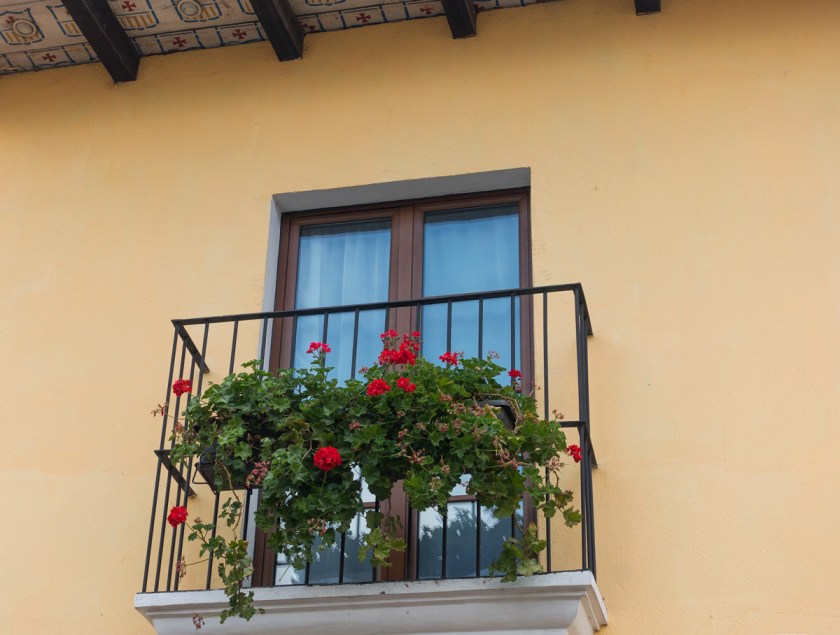 Saying that I thoroughly enjoy my stay with Rafa and his wife Agustina in their delightful and friendly small hotel, Casa del Arco, close to the historic Arch, that connect two parts of and old convent. Thanks to long and interesting talks with Rafa I learned a lot about the richness of this town and of interesting places to see. This is my small balcony overlooking the cobbled street.
 The Arch is just a little further along the street from where I’m staying. Horse and carriage are not an unusual sight here.
 Women selling textiles is another common sight.
 The beautiful square with it’s park is just a few steps from my hotel.
 Strolling around town I come upon an artist at work.
 Behind the market is where you find the chicken buses. I thought that they were going to be rather ramshackle and run down but how wrong wasn’t I? On the contrary, they are lovingly polished and cared for and adorned and pimped with all kinds of imaginative decorations. Didn’t have the nerve to go in one myself though after I seeing the sports car driving technique these drivers use.
 A Street stall at the bus station making the typical flat corn bread.
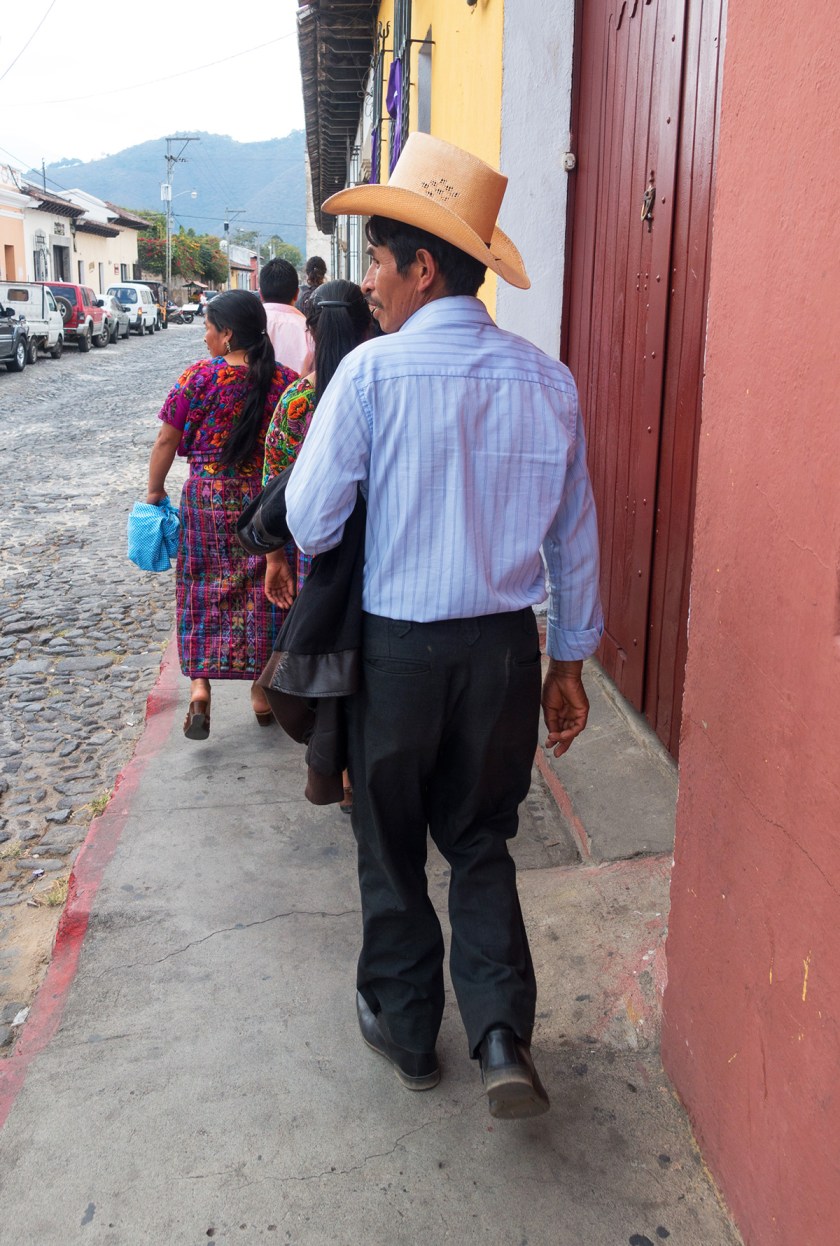 The women wear the traditional clothing but the men usually wear western clothes and a hat like this one.
 The sun is setting in Antigua. Tomorrow I’m leaving this pretty town for San Marcos.
 The long-distance bus is packed to the rafters, but everyone is good-natured about it and in holiday mode.
 Here I meet a vast and pristine beach with not a soul in sight, pine and eucalyptus forests and the lovely home of David and his beautiful daughters. They live in a big house that David purpose-built himself as a family home but also as a guesthouse or a posada as it’s called here.
 This hidden away and very private retreat is only reached by a dirt track through the forest. The house is nestled in the forest and the beach is only a short walk away. It’s made of simple but honest materials, wood and stone, and it blends in well with the nature.
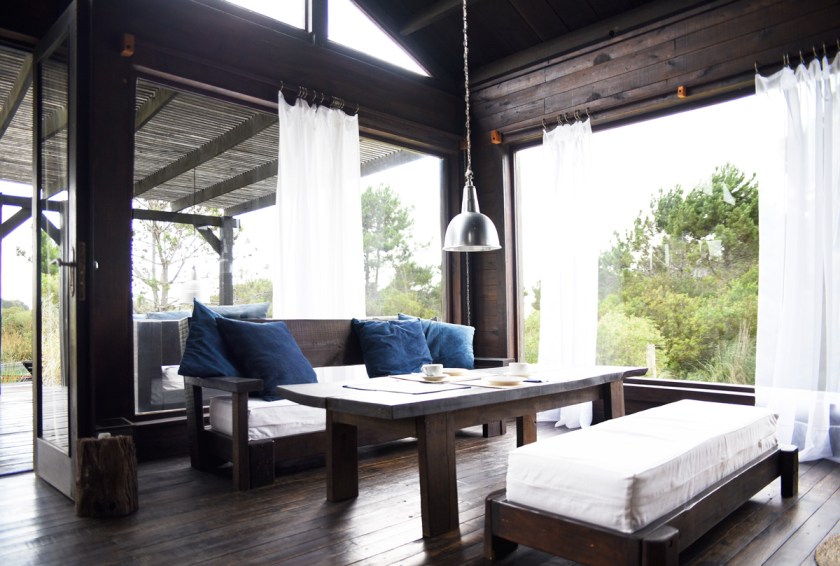 The large windows and many terraces around the house make the indoors and outdoors flow seamlessly. The colour scheme indoors is paired down to minimalist natural tones. It’s soothingly relaxing and in keeping with the surroundings. So simple but so elegant. As a designer I’m in paradise.
 It’s bliss staying here but the days go much to fast and I’m sorry to leave. David kindly drives me in his cool 1950s Studebaker truck to the crossroad in La Pedrera where the buses stop, with his youngest daughter sitting beside me playing her favourite rock songs. Miss you guys!
 My next destination is Punta del Diablo, a little bit further north and now we are not far from the Brazilian border. Punta del Diablo is something of a surfers paradise.
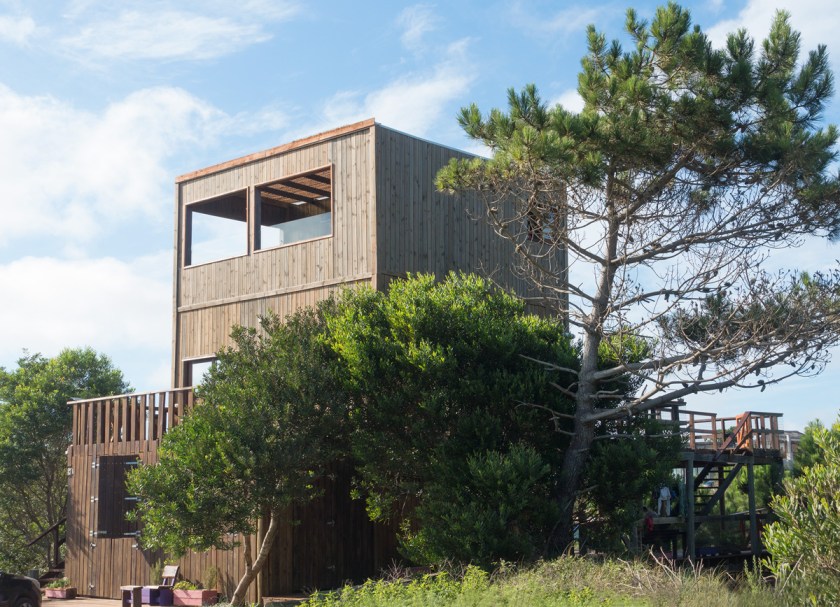 My home for the next week is a sustainable off-grid house set in a natural reserve, just above Playa Grande beach and next to Santa Teresa National Park. This is the home of Rosi and Martin and their young son Telmo. Rosi from Argentina and Martin from Spain and they chose to build their low impact house here, as they tell me, they had a desire to live a peaceful place in full connection with nature.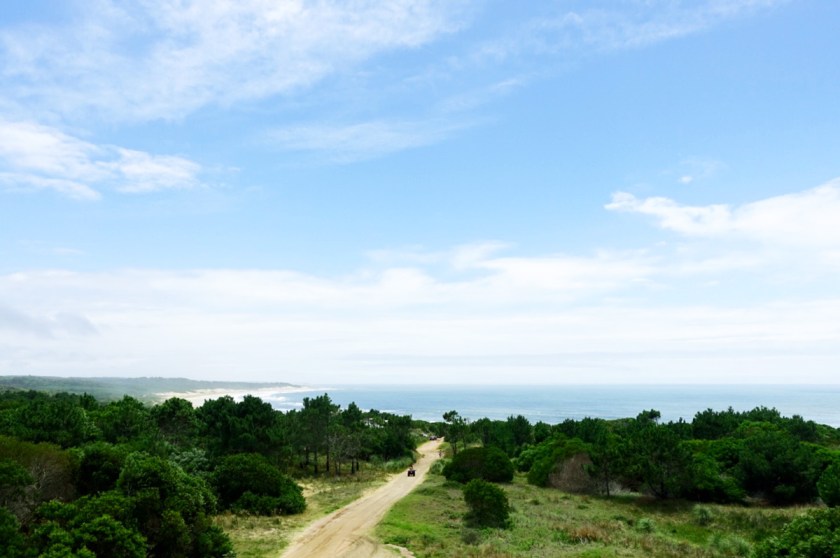
 This is like living in a commune, as Rosi and Martin rent out several rooms in their big house. There are many nationalities sitting around the long dining table, that Martin has built himself. People from Brazil, Argentina, Germany, UK and the US staying at the same time as me, and everyone are really nice and we get along well. Here Violetta, Juliana, Marcio, Frederico and I are having breakfast.
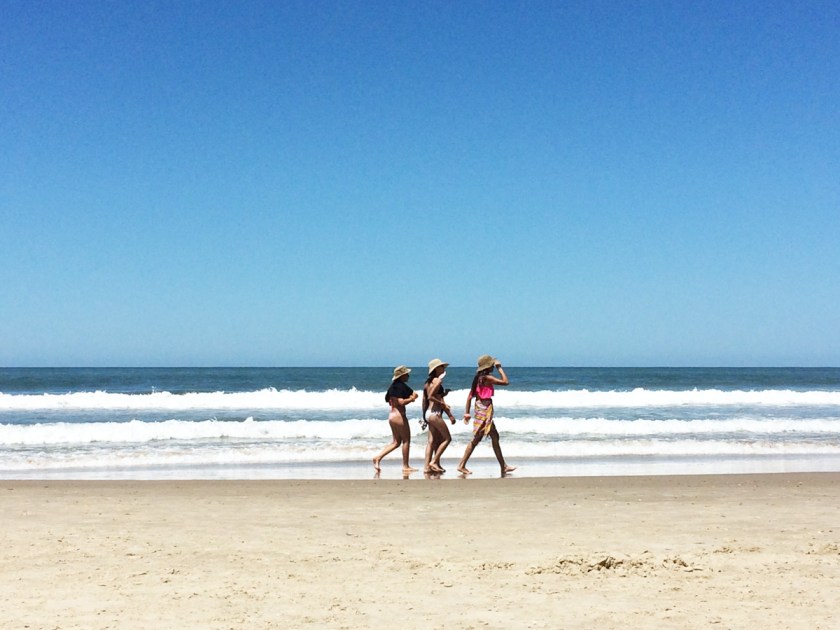
 The Playa Grande just down the road is absolutely magnificent! I the mornings before breakfast and before the sun gets too strong, inspired by Violetta, I take to having long power walks on the beach.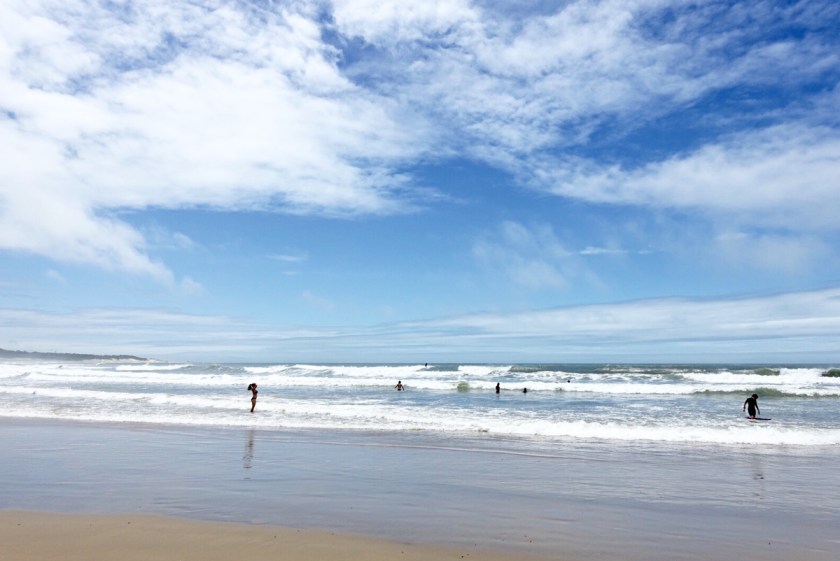

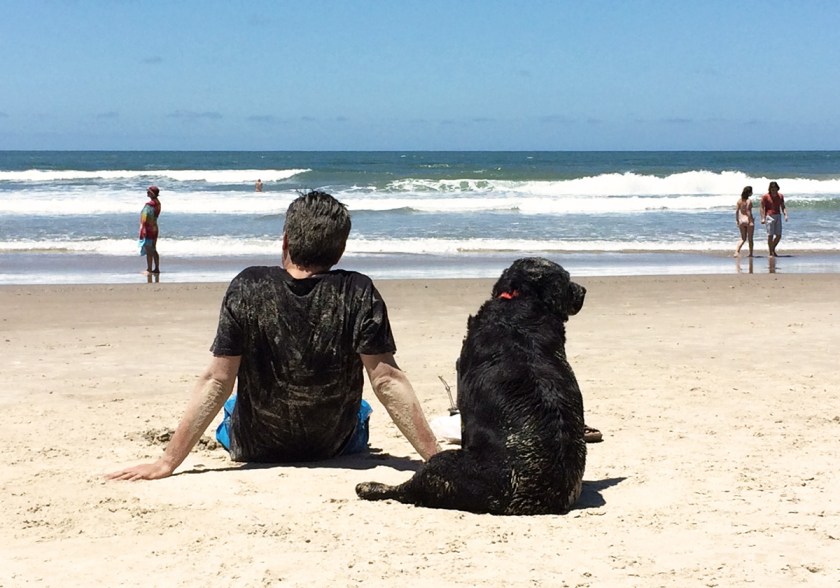 The rest of the day, since the weather has become warmer and sunnier, I enjoy swimming in the sea and people watching in the shade of my sarong. There are some surfers here but most of them surf at another beach closer to town.
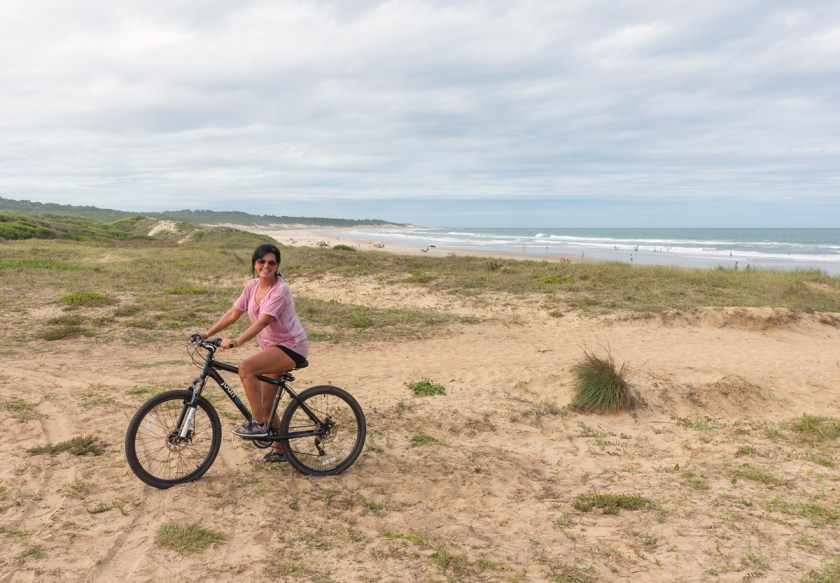 One day I decide to rent a mountain bike and head out to discover Santa Teresa National Park. At first I have a hard time finding the right path in to it, and then I meet a bunch of guys from Canada looking for it too, so we team up and find it and continue together. As they are considerably younger I keep telling them that it’s totally ok if they want to speed on but funnily enough I keep up with them and it’s nice to have company when we face the steep uphill parts…
 The nature reserve is beautiful. I’m looking for a conservatory that Rosi has told me about so halfway in the nature reserve the guys and I part and I go in search of it. I don’t find it but I soon discover that it probably would have been a good idea to bring some water and food as there isn’t any cafes to be seen for miles…Finally I found a small stall selling simple food in a camping area and it was lovely to dismount the bike and have a rest.
 Here I met a couple of girls, Alehandra and Betto from Montevideo. They turned out to be architect students, and I got to know a lot of interesting things, such as that architect students in Montevideo get to travel the world together to study architecture. They have recently come back from the trip where they visited 30 countries! What a great experience!
 I’m staying in the home of Selene. I have the luxury of having a bedroom and a small study here, which is good as I need to work. Outside my office window there is a Humming bird nest. How sweet isn’t this.
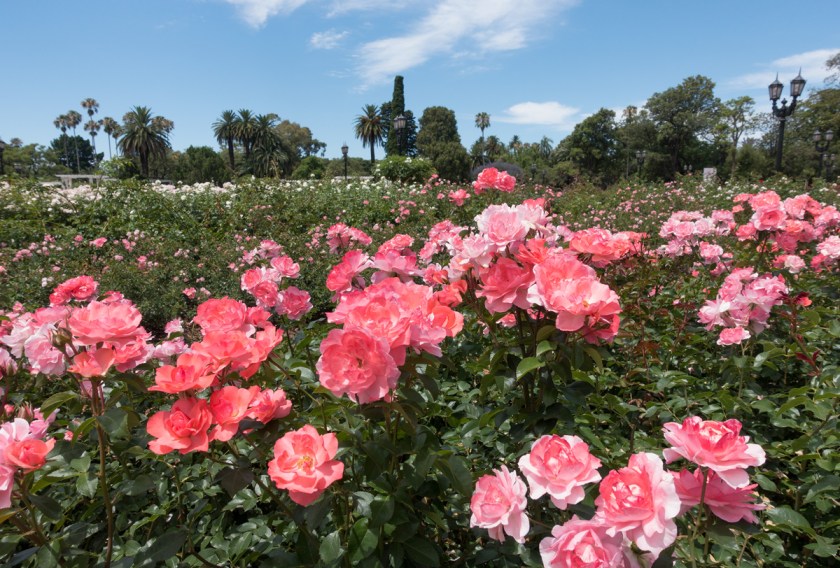 Here I’m in sea of roses in El Rosedal de Palermo. This park is spread out in about 3 hectares and have some 18 000 roses planted here.
 Saturday and Sunday markets are also popular to visit. This is one of the best Sunday market, Feria de Artisans de Plaza Francia in Recoleta. They sell high quality craftsmanship and artisan products such as jewellery, pottery, artwork and leather goods.
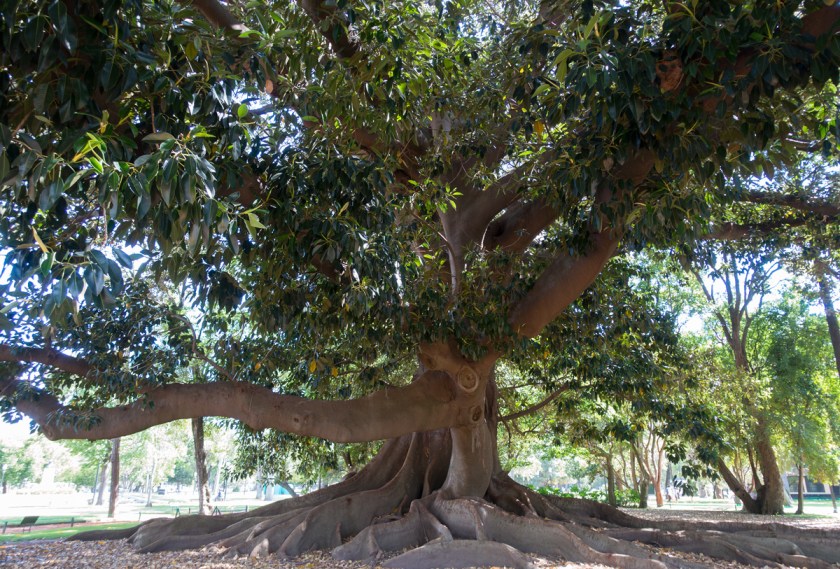 Pretty impressive tree in Plaza Francia.
 Buenos Aires has a lot of great museums too. I managed to visit a few. Museo Eduardo Sivori in Palermo had an exhibition of the Argentine photographer Gaby Herbstein, showing wonderful dreamlike scenarios. My favourite word in Spanish is sueño, which means dream or sleep/slumbering. This amazing photo is the one I liked the most and it’s called “Entre sueños mi alma se eleva” (Between dreams my soul rises).
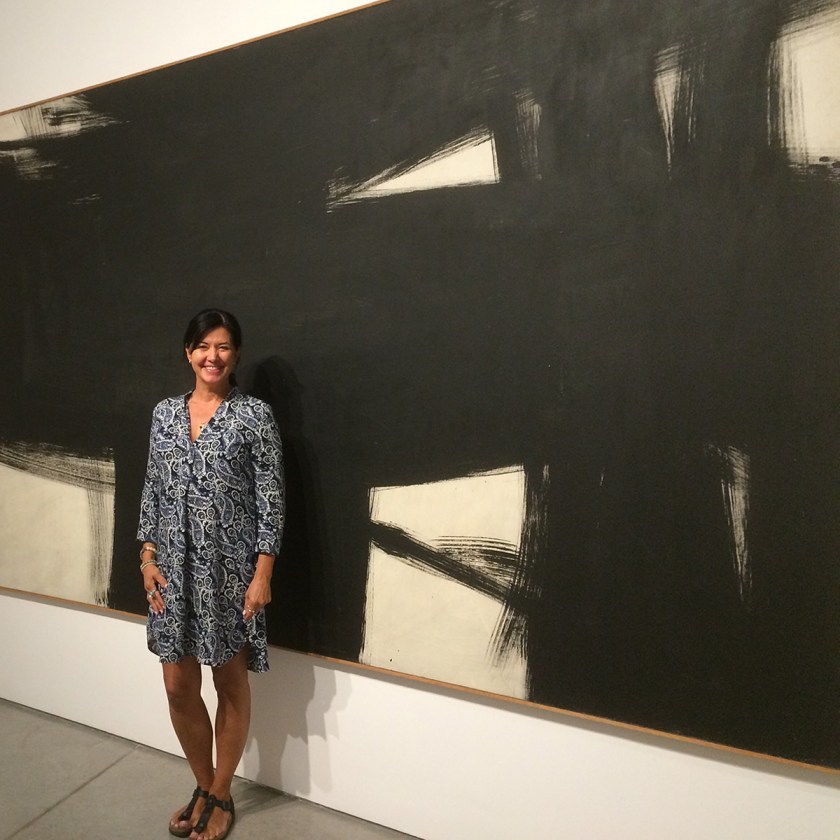 In MAMBA, Museo de Arte Moderno, they have a permanent exhibition of famous South American artists.
 They also had a fun and playful temporary exhibition, recreated of an exhibition they had in the 60’s. Here is a photo from the original exhibition, as I was too surprised to take one. As I rounded a corner there was unexpectedly a real bed with a couple lying in it, calmly chatting with each other, seemingly oblivious of everyone who had to squeeze past the bed in order to continue. It really felt like I had stumbled into their private (and tiny) bedroom and not as a part of an exhibition!
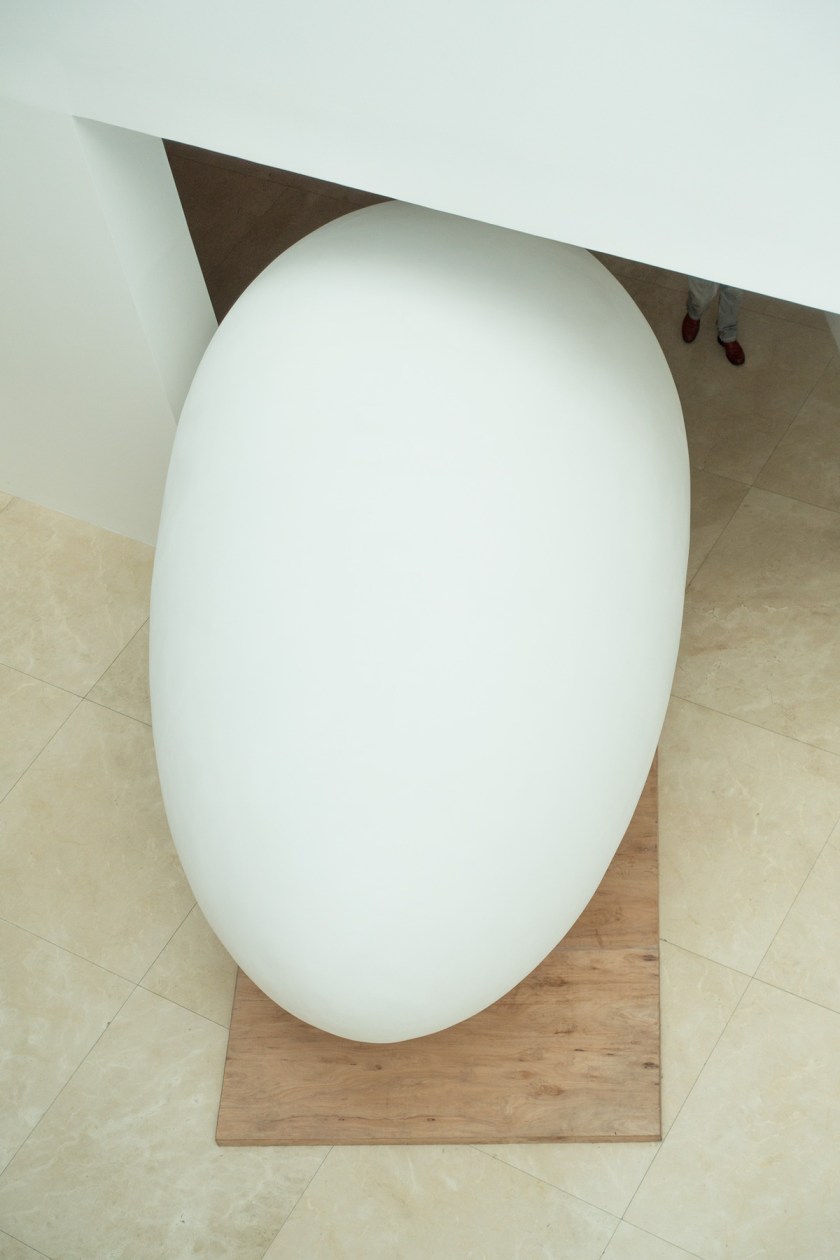 MALBA, Museo de Arte Latinoamericano de Buenos Aires, is a stylish museum which opened in the middle of the economic crises, with the aid of a donation by the art collector and businessman Eduardo F. Costantini.
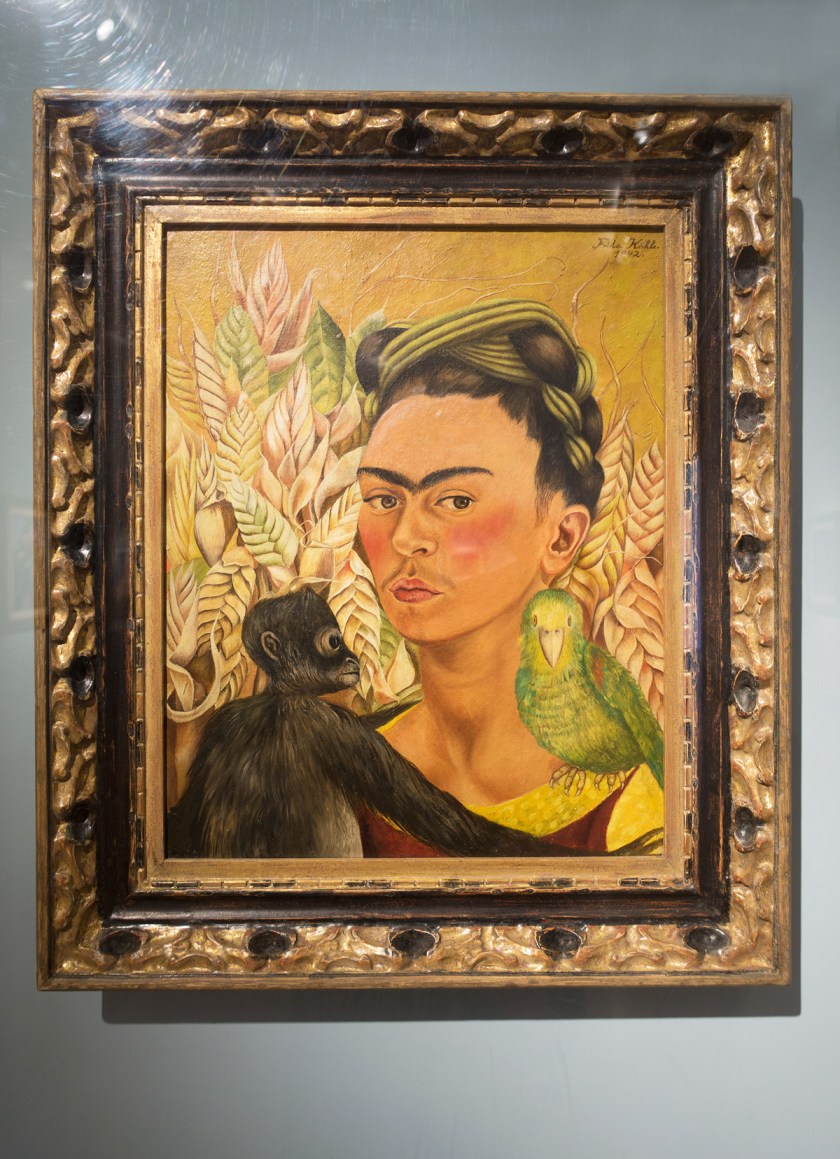 They have a large collection of Latin American art from the twentieth century. My favourite Frida Kahlo. Can’t wait to see her studio in Mexico!
 They also had a really strong temporary exhibition when I went there by Francis Alÿs, a Belgian-Mexican architect and performance artist, called “Don’t Cross the Bridge Before You Get to the River”.
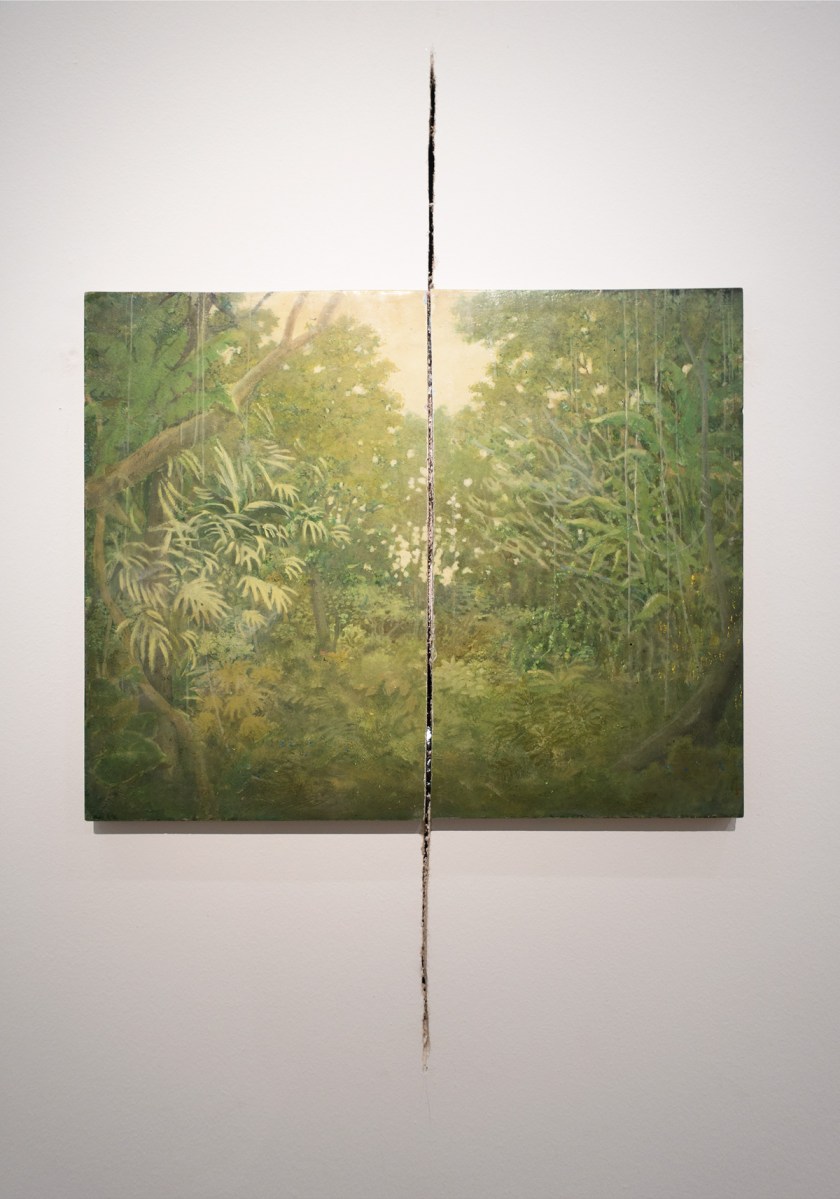 Another artwork statement of him called “The Cut”, is exploring the relation between painting and action. Quite brutal eh?
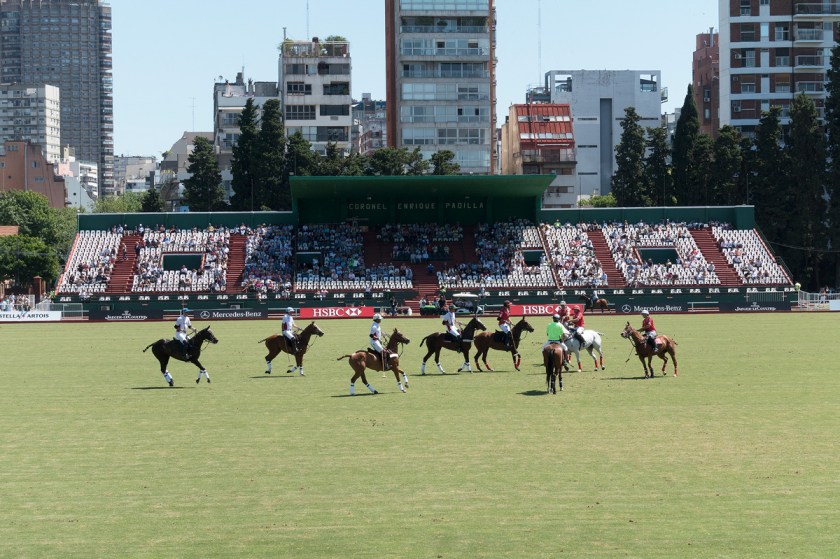 Polo is a popular sport among the upper class, brought here by the British colonisers who practised it on the pampas. I went to the semi finals of the Argentine Polo Open in Palermo, with friends I met studying Spanish, Peter and Julie. The polo field is located in Las Cañitas. At one time I guess it was on the outskirts but since then the town has grown and now it’s surrounded by residential buildings. We didn’t understand much of the rules but we enjoyed watching the eight horses, four in each team, race across the vast polo field.
 I discovered quite early why the price of the tickets we chose were cheaper, rather than the tickets for the stands on the opposite side of the polo field, as the day progressed and the sun continued to pound down on us. There were shady trees there and the main stand opposite us had a roof. Ours didn’t. The wide-brimmed hats that women use at these events have its uses after all. As I was feeling the heat wave, I had to give up earlier than my friends and left them to continue to enjoy this very classic and grand event.
 Went ”backstage” or ”backfield” in this case to look at the horses that were kept ready for action by their handlers. The teams that competed today were evidently wealthy as they had many horses on standby. The Argentine polo horses are esteemed to be the world’s best. I went before I felt like a total polo groupie…
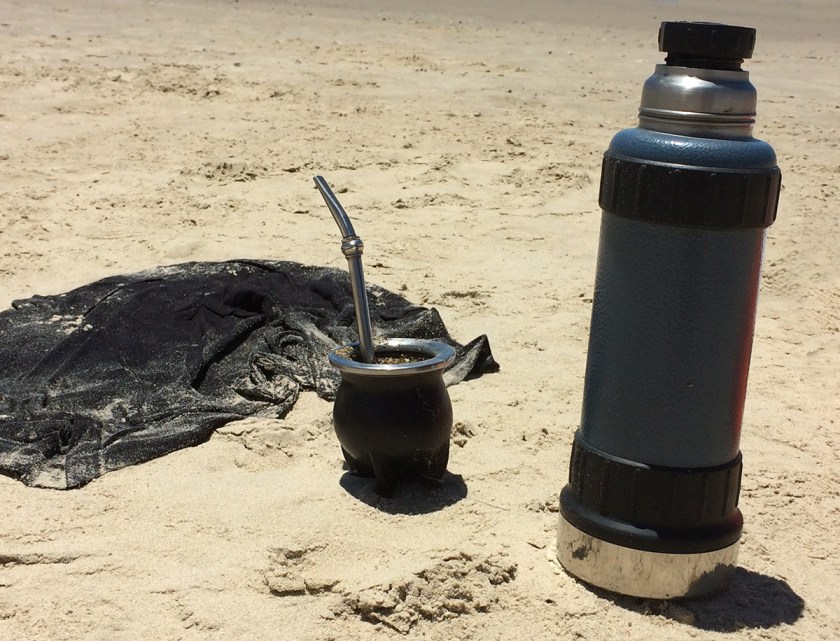 Something else the porteños seem to enjoy a lot is their Mate, or Yerba Mate, almost like a national drink. Actually it’s a very popular drink in the whole of South America. It tastes like a bitter tea, is made from a wild-growing plant from the same family as holly. They drink this infusion of mate and hot water throughout the day, using a small gourd and a metall straw called bombilla.
 Now it’s time to leave Buenos Aires and head to Uruguay. Two wonderful months here went by way too fast. Thank you all my new friends who generously opened your homes to me! So nice to have met every one of you! ¡Hasta la vista!
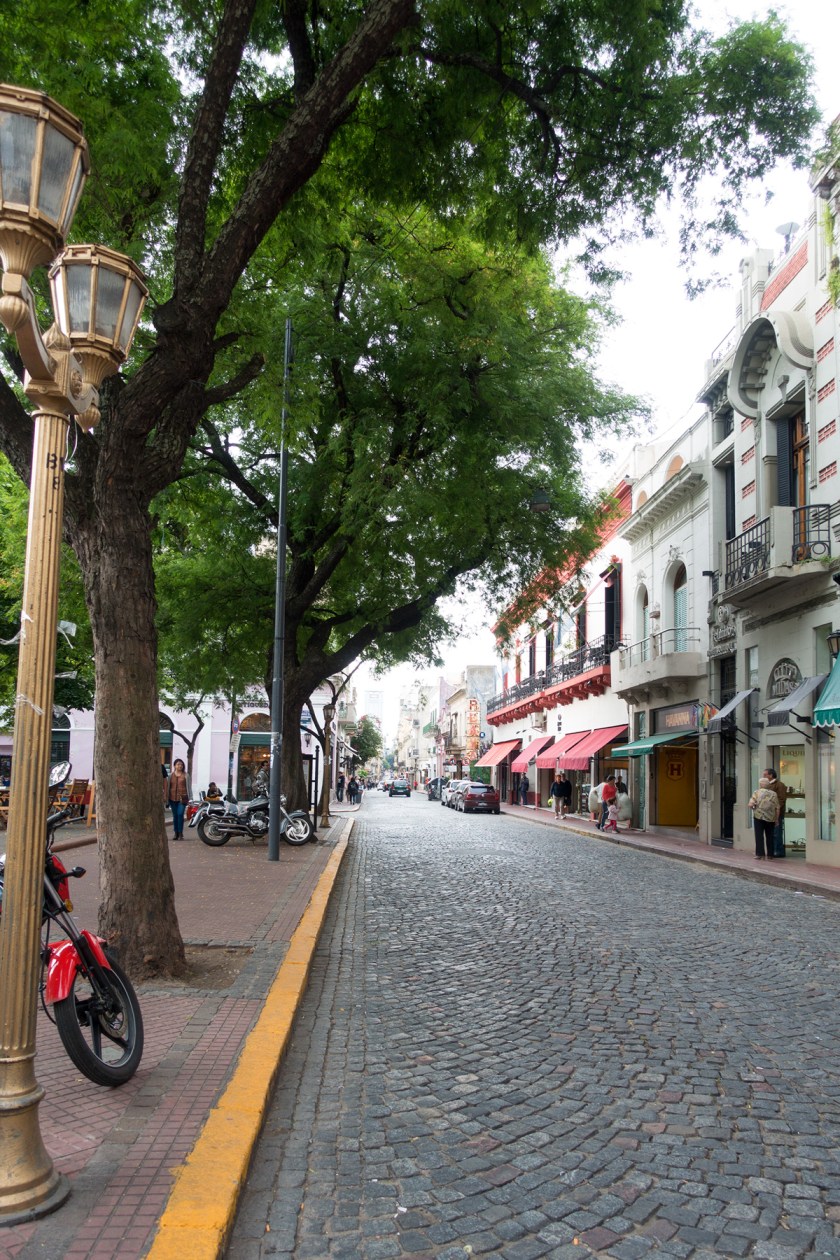 Street view at Plaza Dorrego. The Sunday market in San Telmo is the largest in Buenos Aires. The centre of the feria is here at Plaza Dorrego and then it spills out on the adjoining streets many blocks away, with stalls after stalls full of antiques, trinkets, bric-a-brac and artisans wares.
 This is the area where you find all the antique shops. Here is one on Defensa.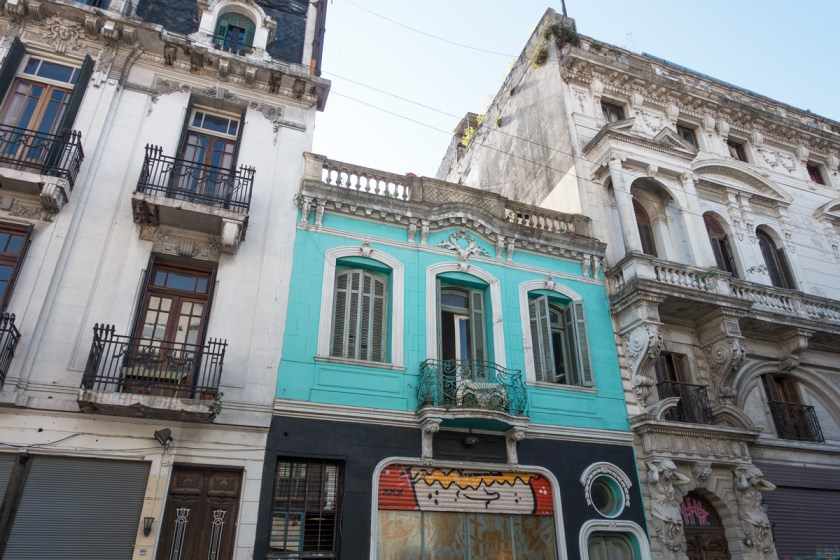
 I find San Telmo is the most architecturally beautiful neighborhood with loads of interesting buildings. Many of them crumbling and with a lot of patina but nevertheless exquisite.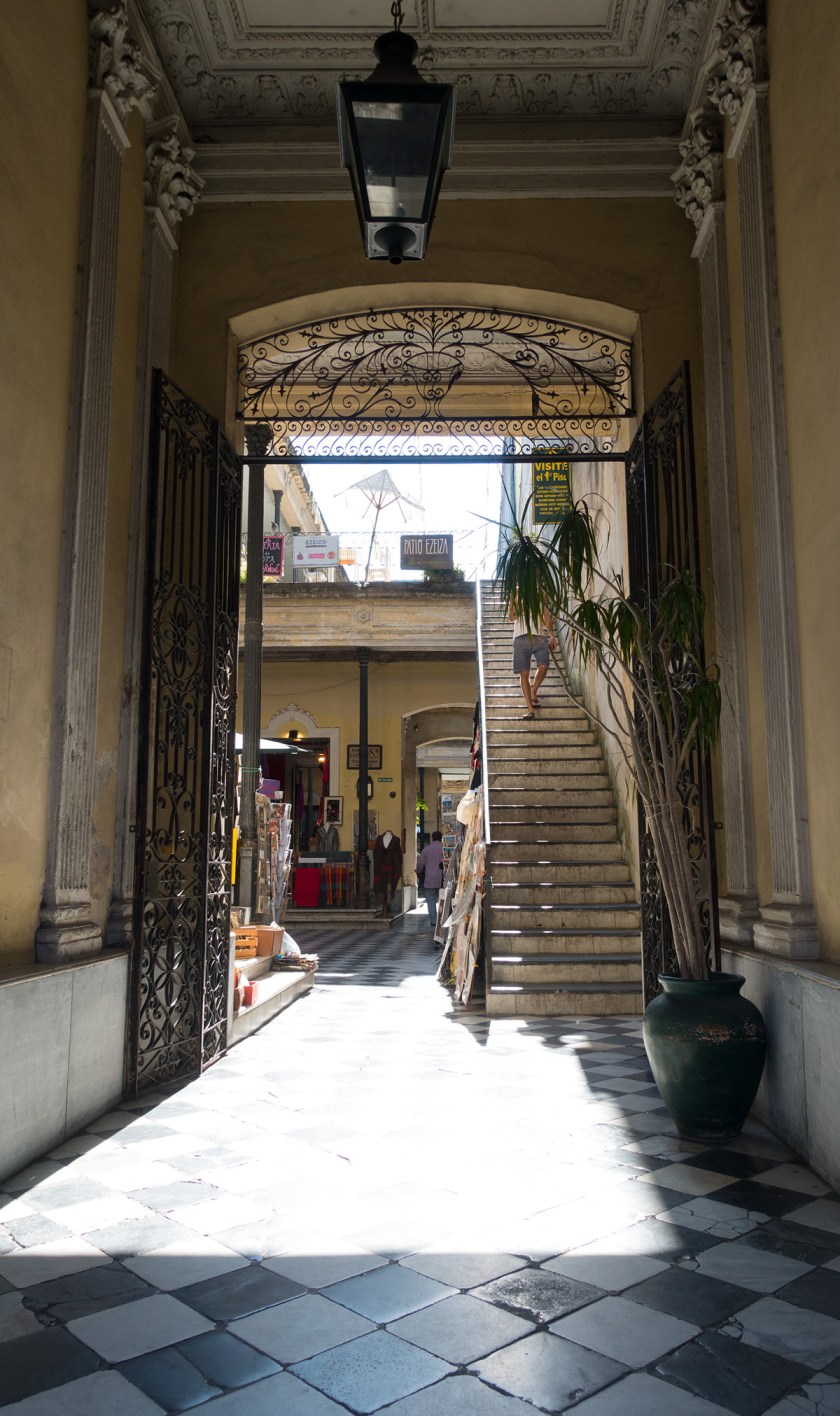

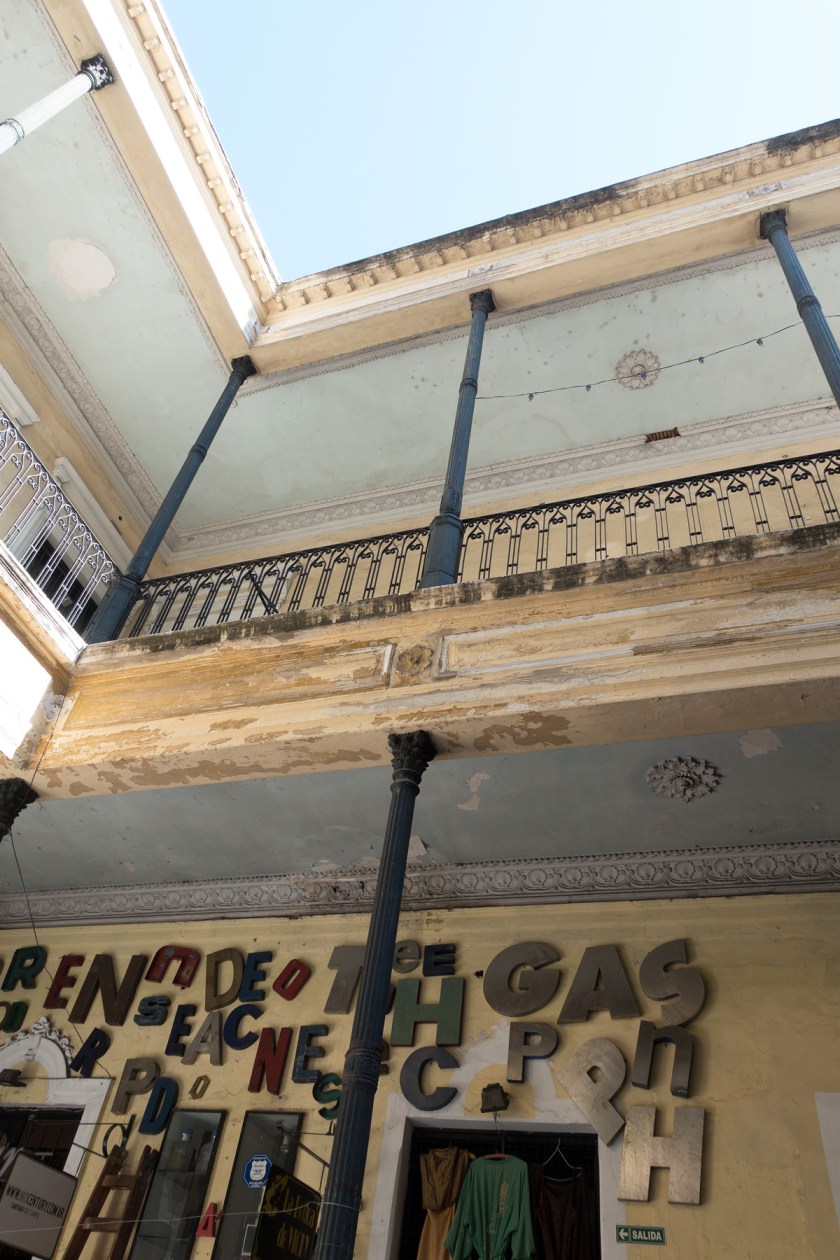
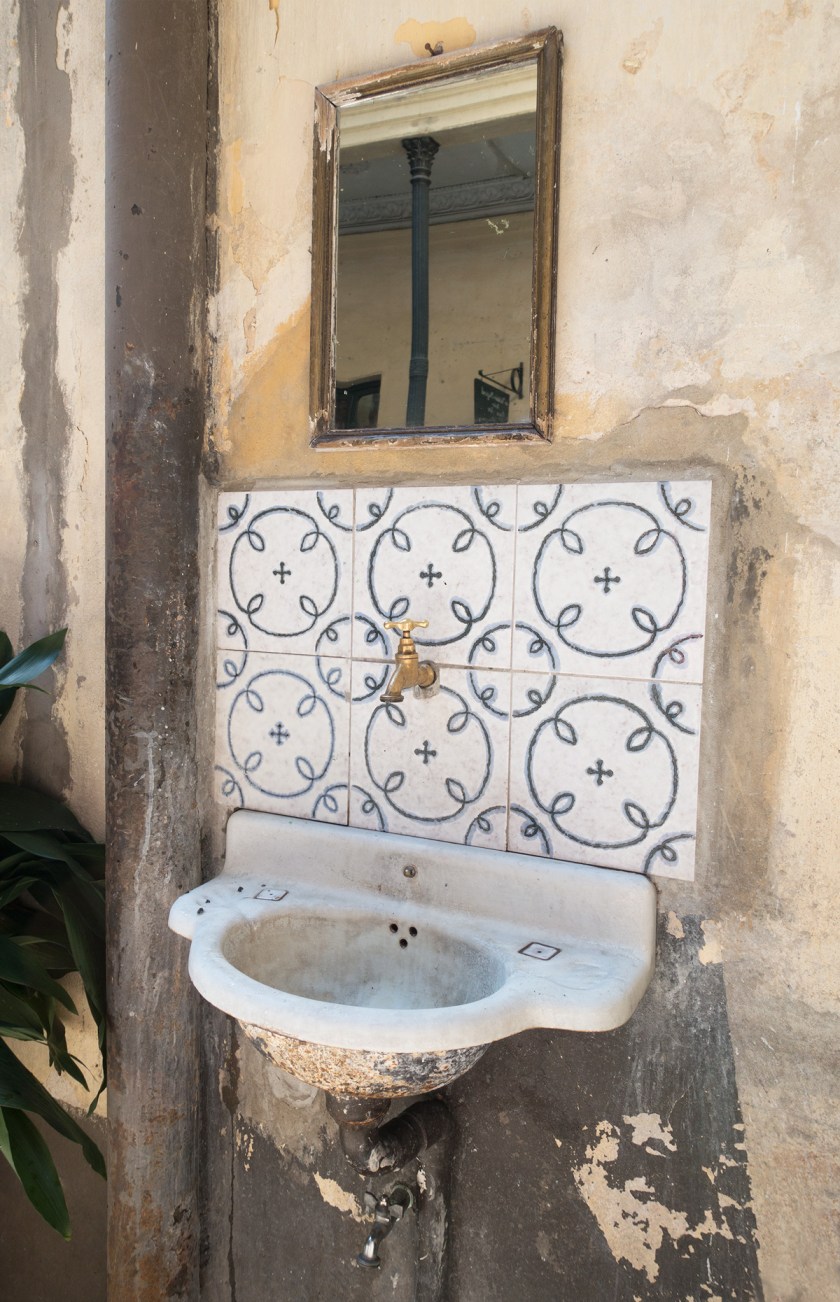
 One architectural jewel is Pasaje La Defensa. This grand house started out as a home for the Ezeiza family in 1880. It has the traditional layout of two stories and patios with rows of rooms leading out into them. After the yellow fever hit Buenos Aires, the rich moved to other areas such as Recoleta and Retiro. Then the house became a conventillo, a tenement house, where poor families settled, housing as much as 32 families. It has since then been restored but still have a lot of lovely original features.
 Now it’s a shopping gallery with stores selling antiques, art and trinkets.
 I had a really interesting photo shoot and interview at the home of Mercedes. Her home was also a conventillo at one time, as well as a theatre amongst other things. Now it’s a large and stunning home with several separate apartments, all decorated in her very unique and personal way.
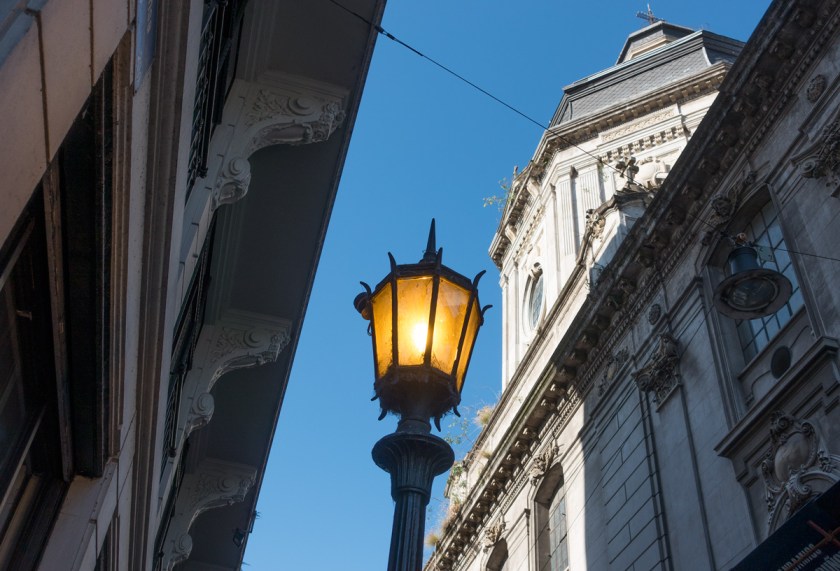 Grand buildings but at a closer look one can see vegetation sprouting out on every nook and cranny. Beautiful all the same.
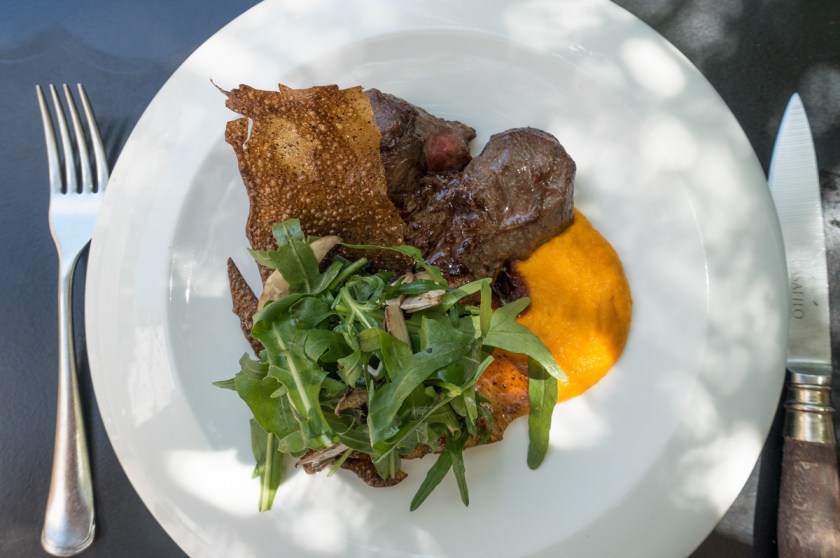
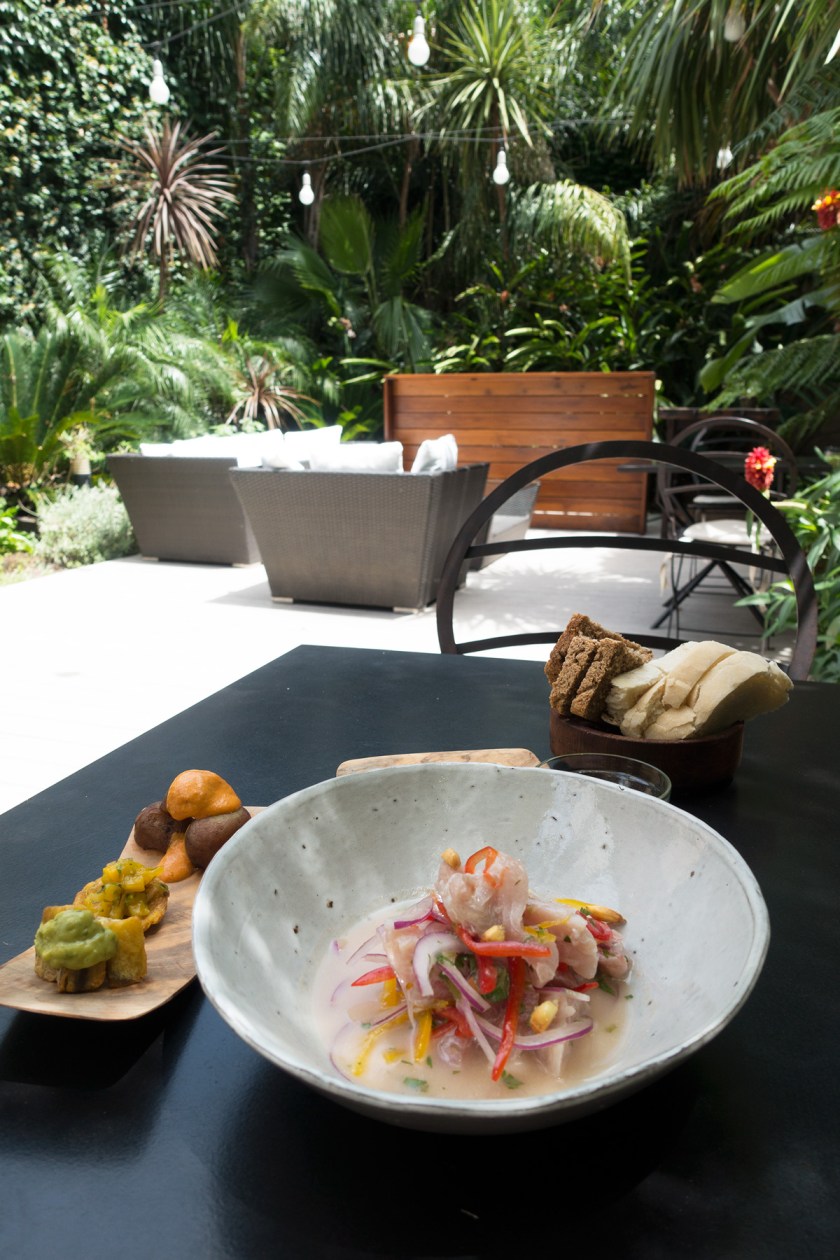 Starting with the main photo, this is one of the times I splurged and had a delicious lunch. Uco, a fantastic restaurant on Soler, in a great setting with it’s own garden within Fierro hotel. Excellent food and excellent service! As you can see every dish was like an aesthetic and culinary dream.
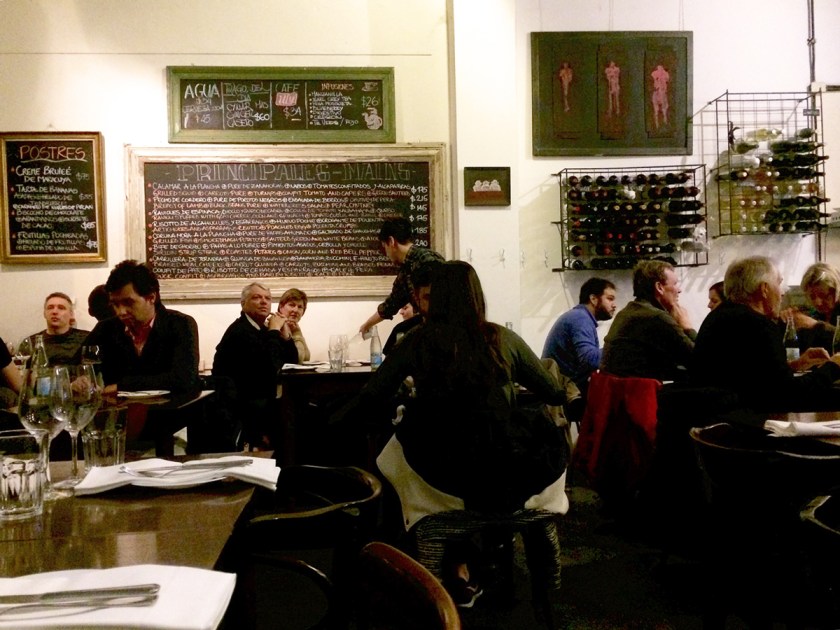 One of the first restaurants I visited, on recommendation, was Las Pizarras Bistro. A great little restaurant on Thames, run by the chef Rodrigo Castilla. We got talking and it ended with that I visited him and his lovely wife Valeria in their home and I had a photo shoot there for my book project!
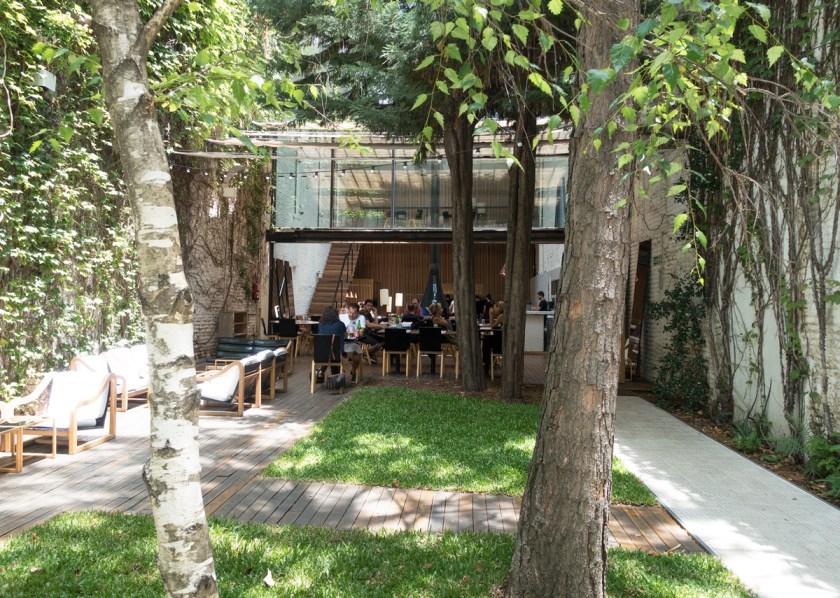
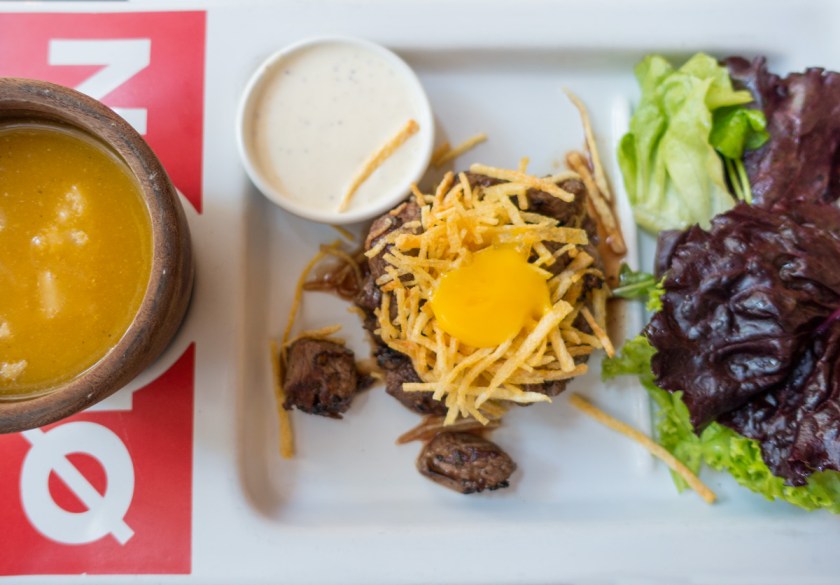 Restaurant Ølsen on Gorriti has a Scandinavian apporach to both food and interior design. The restaurant and setting with it’s own garden, complete with a birch tree, is supercool. Just check out the awesome ceiling height! This is their modern take of a classic Swedish dish Biff Rydberg and it was really good.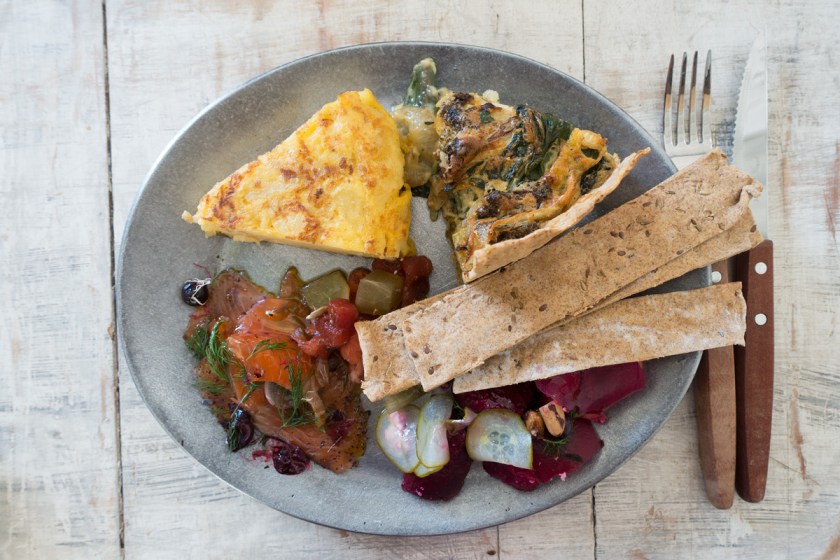

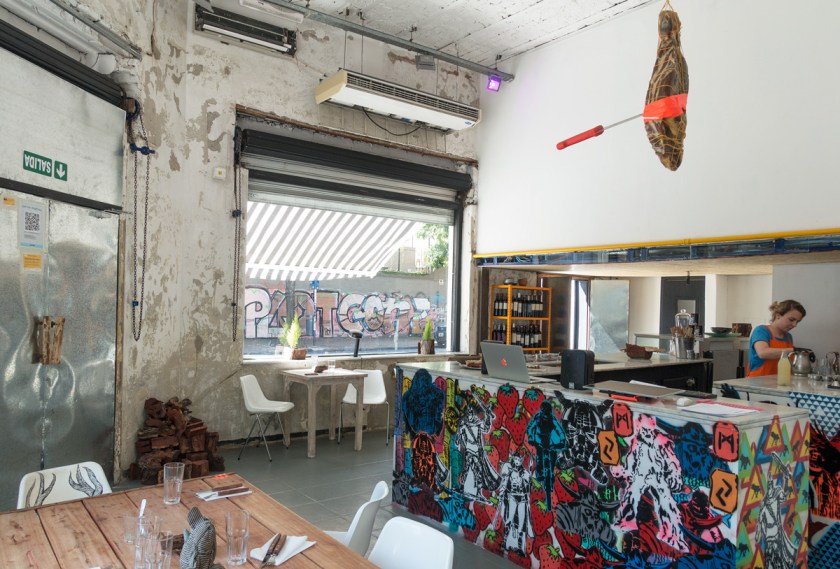 Another restaurant with both a Swedish name and Swedish inspired food is Söder on Honduras. Newly opened when I just happen to pass by, it was a pleasant surprise. Cool raw interior design. Thumbs up for the artwork, recreating a typical Swedish milk carton! And no, it isn’t a wall decoration, it’s a real leg of ham having from the roof with a knife stuck into it!
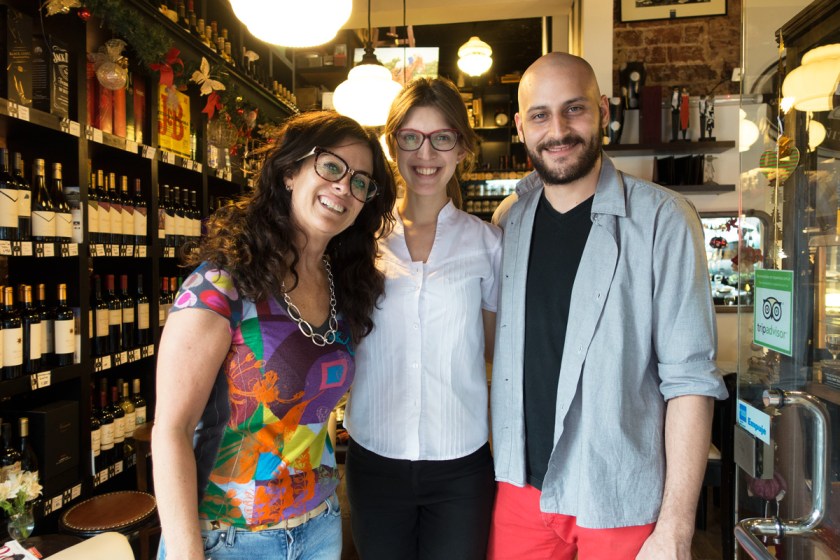 My absolute favourite restaurant when I lived in Las Cañitas was Almacen & Co on Andrés Arguibel. Super sweet and friendly owner and staff, cute premises and great food! They also bye the way had a serious runner up for the best chocolate cake in the world, Torta del Diablo, a real bomb!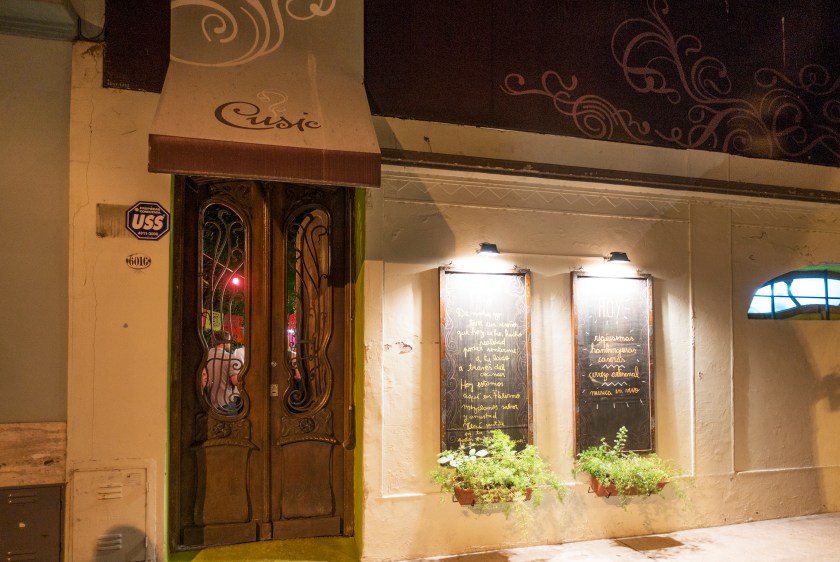
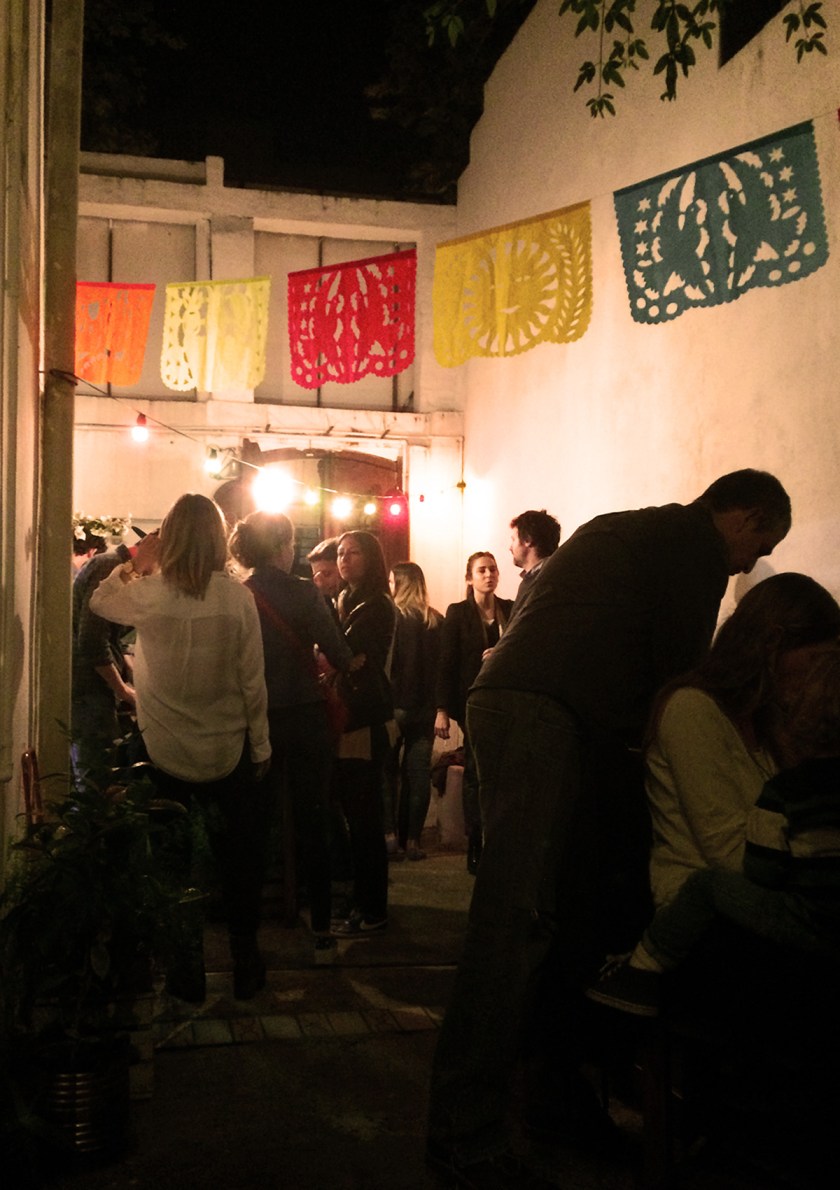 Cusic is a popup restaurant that otherwise does catering. I spent ages looking for it in the daytime and not succeeding. No wonder. The signs and menus are only put on display outside when there is an event. Beers and grilled hamburgers were served out in the courtyard. Nice ambience. Felt like taking part in a private party.
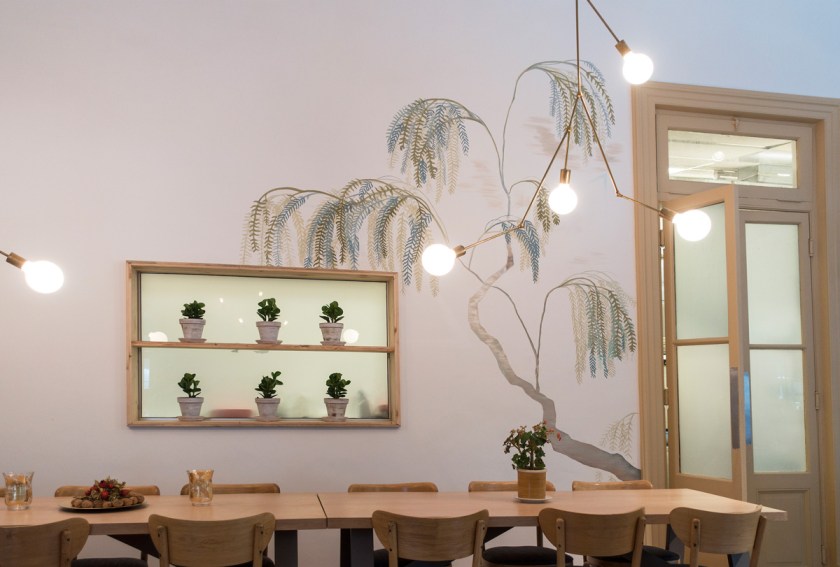 Ohsawa is one of several organic restaurants I was happy to find. This one serves macrobiotic food. Calm interior design. Ohsawa is on Honduras.
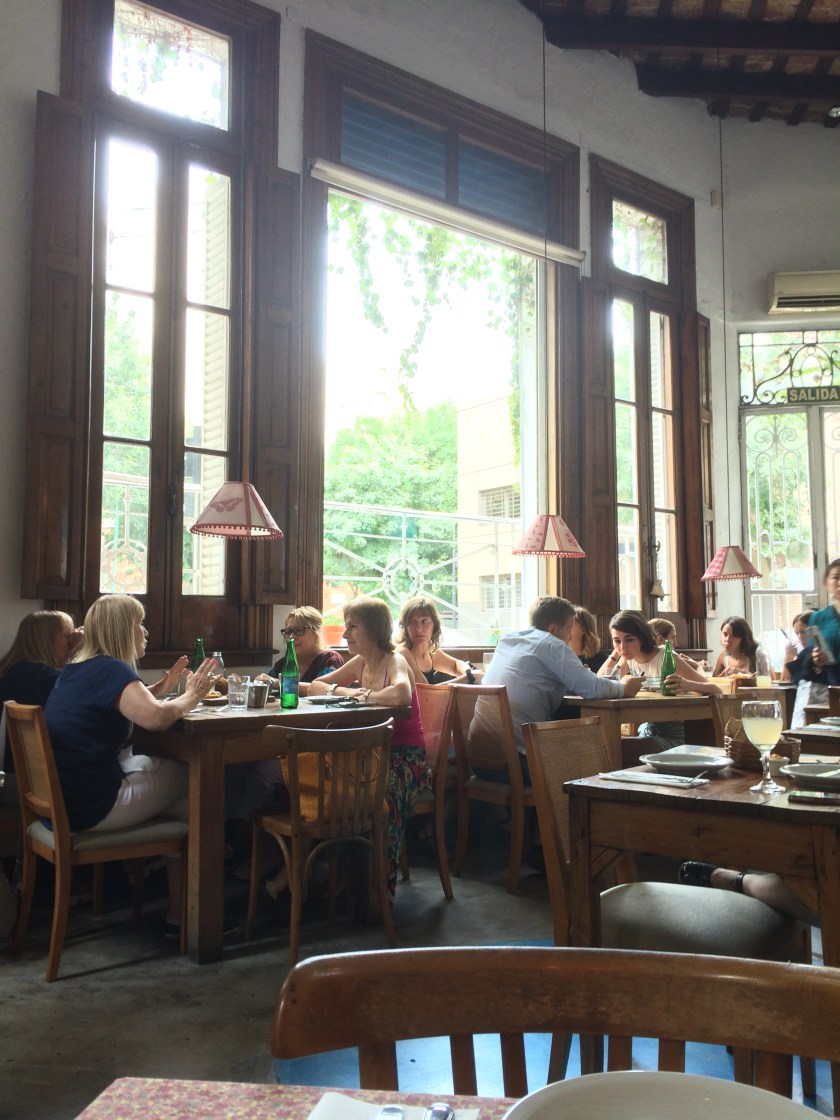 Artemisia Cocina Natural in the corner of Gorriti and Arévalo is the one vegetarian restaurant that I enjoyed the most though.
 Las Cabras is a parilla restaurant that is always full so it’s obviously a popular spot. Order bife de chorizo a tire de asado or lomo, a salad, wine and chichimchuri and you are all set. A fun and lively place to share a meal with friends in the evening, and very friendly on the wallet.
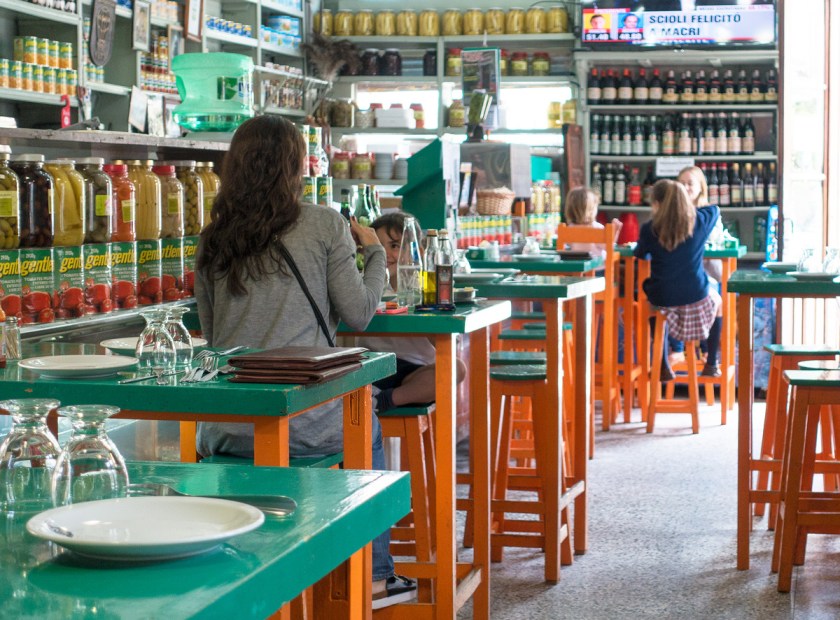 El Preferido on Jorge Luis Borges is an old grocery store turned in to a restaurant. Feels authentic Argentinean. I rate it more for the fun decor than the actual food though.

 One of the coolest stores that just opened when I was living in Palermo Hollywood was Editor Market on Av. Dorrego. It’s the new hip place on the fashion and design scene. Set on three levels it houses interior design, clothing and a cafe. The interior design have in parts a distinct Scandinavian feel. The bench here is from Net.
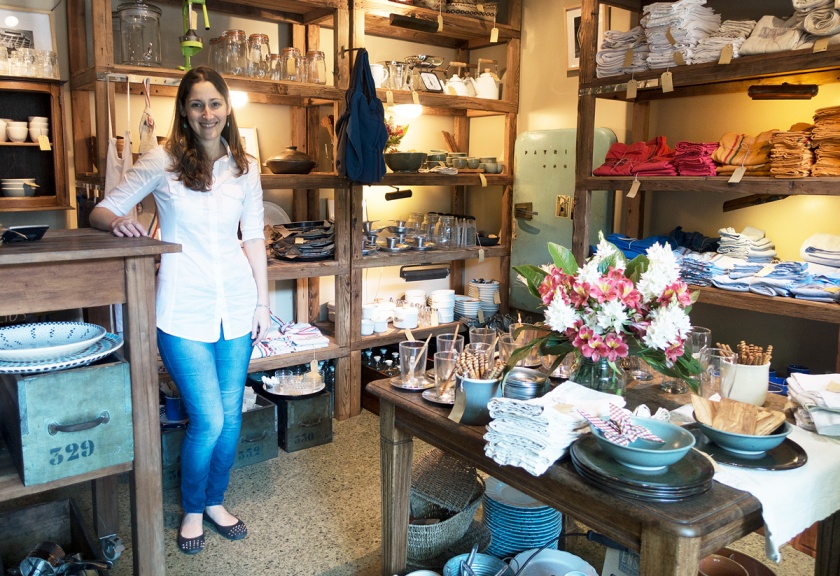 By chance I came upon the wonderful little store Enseres Bazar on El Salvador where I started talking to Barbara here in this photo, who is the sweetest of persons. Enseres is the place to go for a nice selection of cookware and accessories. I then met the owner of the store, photographer Cecilia, who kindly invited me up to the rooftop, as she was in the middle of a photo shoot in her studio there. And it ended with me spending a wonderful day in her beautiful home a couple of days later having a photo shoot and interviewing her for my book project!
 The architect Alejandro Sticotti in his store Net. His love of wood is clearly visible in his store and workshop on Godoy Cruz. Loved his really nice designs of tables and chairs. Clean lines, great combination of materials and a lovely tactile feel.

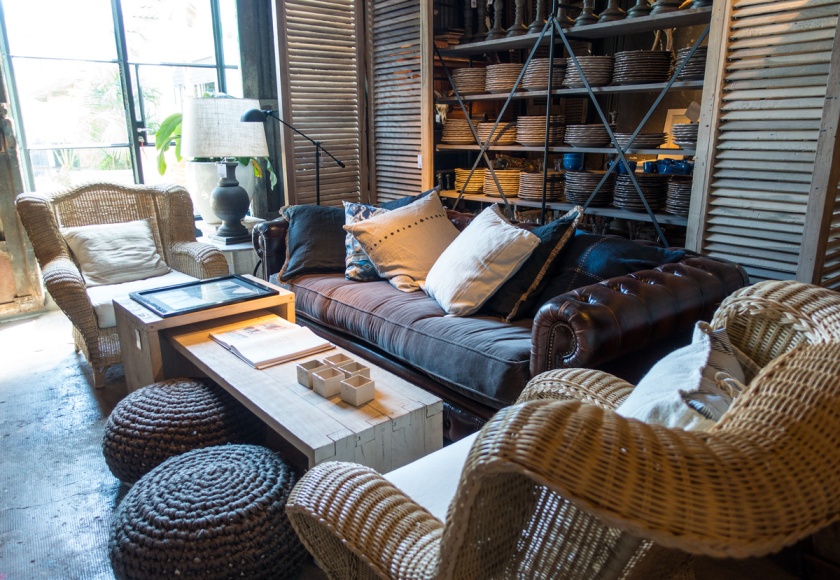 Paul Deco is a sophisticated home decor store on Gorriti, right behind my favourite cafe with the worlds best chocolate cake. Here again we have these high ceilings that are for me exotic and ubercool.
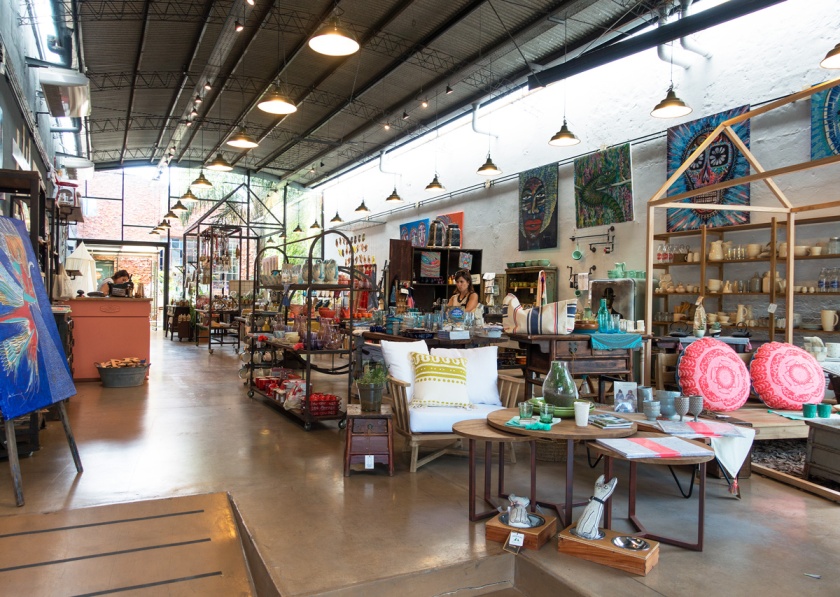 Bartolomea is a home decor store I found in several places, the largest one here is on Nicaragua.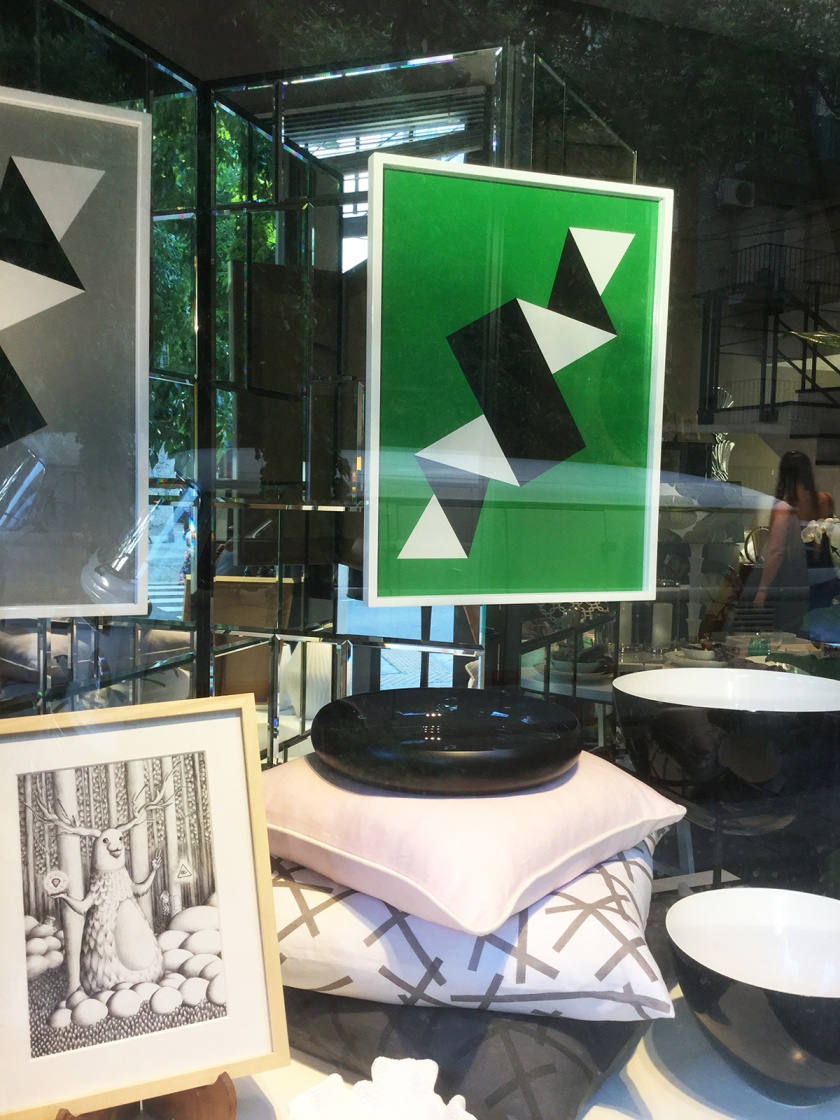
 Window shopping at George Home Couture on Soler. They have an interesting selection of furniture and home accessories.
 Elementos Argentinos on Gurruchaga have handmade rugs and textiles from the north of Argentina in stylish designs. Handcrafted products made in a sustainable and eco-friendly way using Fair-trade guidelines. Photo borrowed from them.
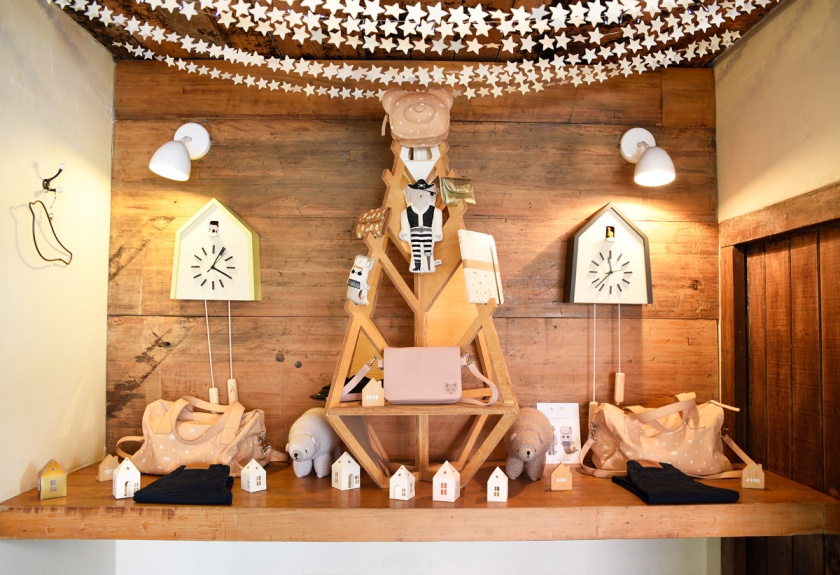 Pesqueira is a lovely little store on Gurruchaga that the designer Valeria Pesqueira runs. She designs all the lovely collections of children and women clothing as well as accessories. Valerie and I met and became friends when I spent a day taking photos in her and her family’s cool home, which they have partly built themselves, combining traditional features and sleek modern.
 Rapsodia is a woman’s clothing store that I fell in love the first time I walked in through their doors. Beautiful wonderful bohemian chic clothes just up my street. As I also happen to live right next door I went there quite frequently and longingly did my rounds as they are a bit over my price range. Maybe a good thing otherwise I could easily have bought just about everything. The store itself is also very tasteful. On Andrés Arguibel.
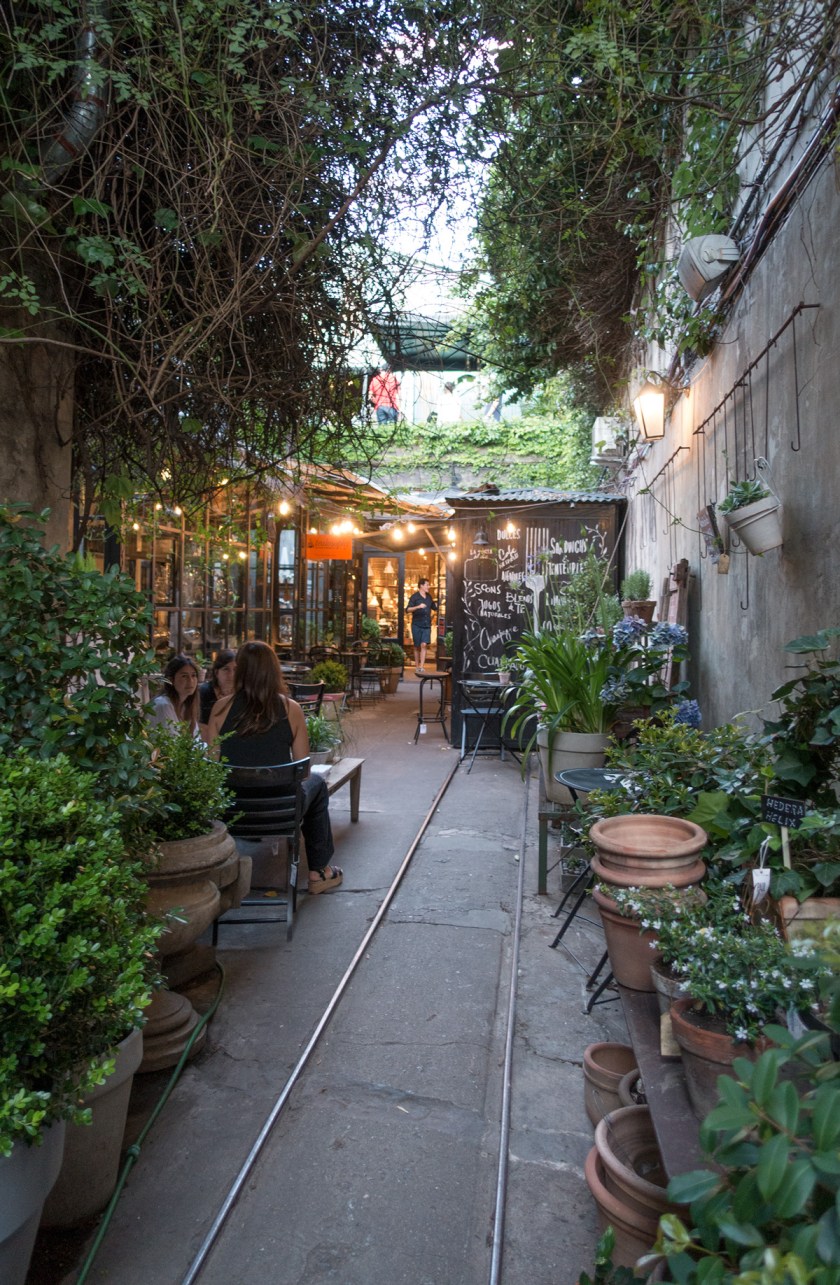
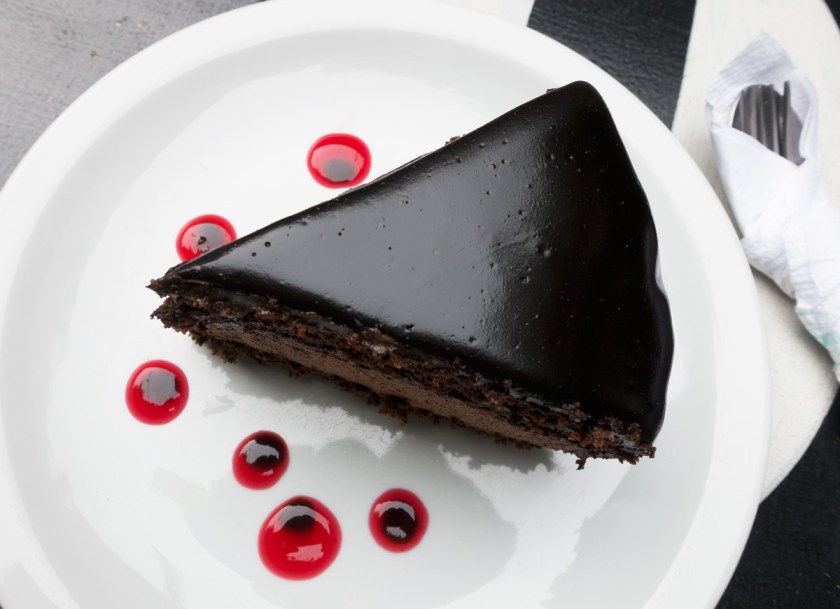 My newly discovered passion is eating cake, chocolate cake to be precise. And to my delight I found the best chocolate cake in the world here! Hidden away in a small backyard is the loveliest of cafes, Decata, with this the best of the best delicious and mouth-watering masterpiece. That there also is a teashop called Tealosophy, a tiny plant shop and a tasteful interior design store here too makes this place even better. Decata is on Gorriti.
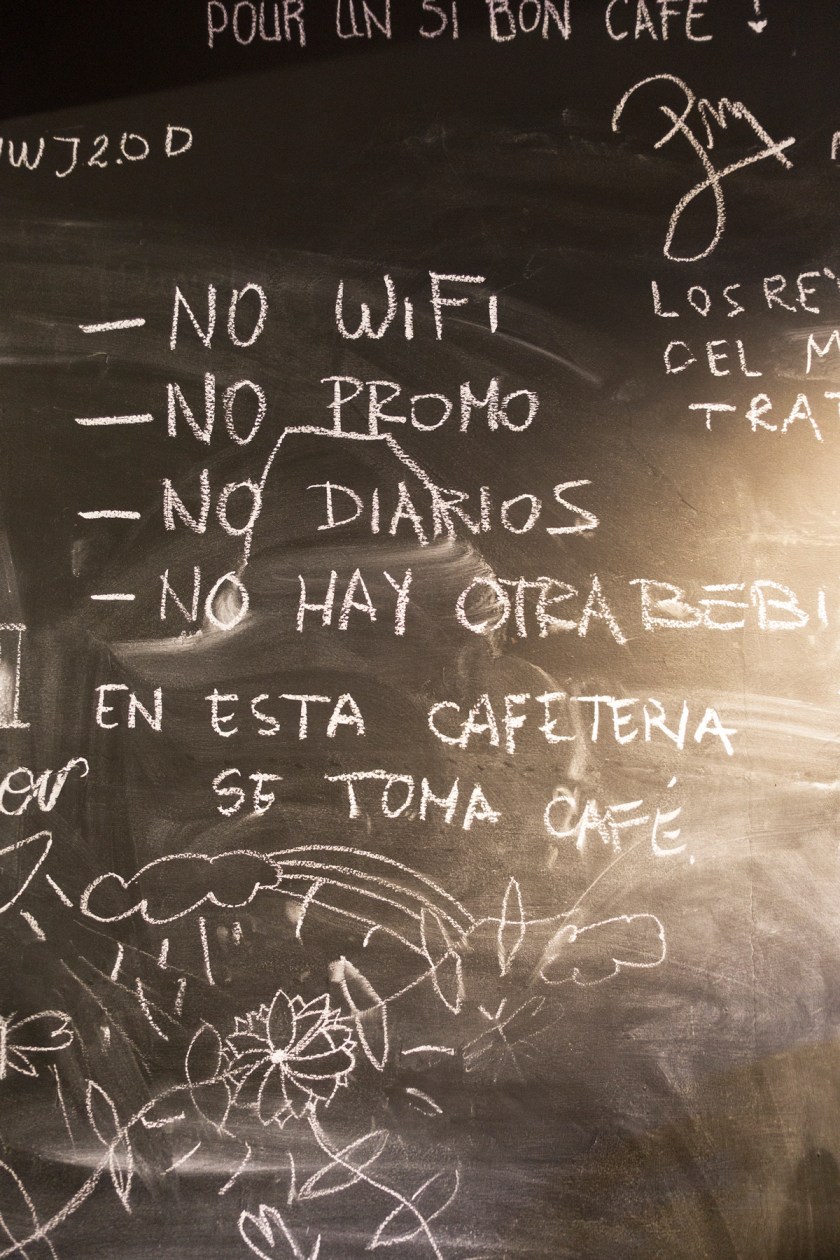 Lattente is the cafe that is known by the locals to have the best coffee in town, at least in Palermo. I liked the blackboard they have in the tiny cafe. It states that this is a WiFi banned area because the purpose of drinking coffee is solely to socialise with each other. As a WiFi junkie myself I still liked this statement. Not a single person in sight staring into their iPhones but everybody actually talking to each other.
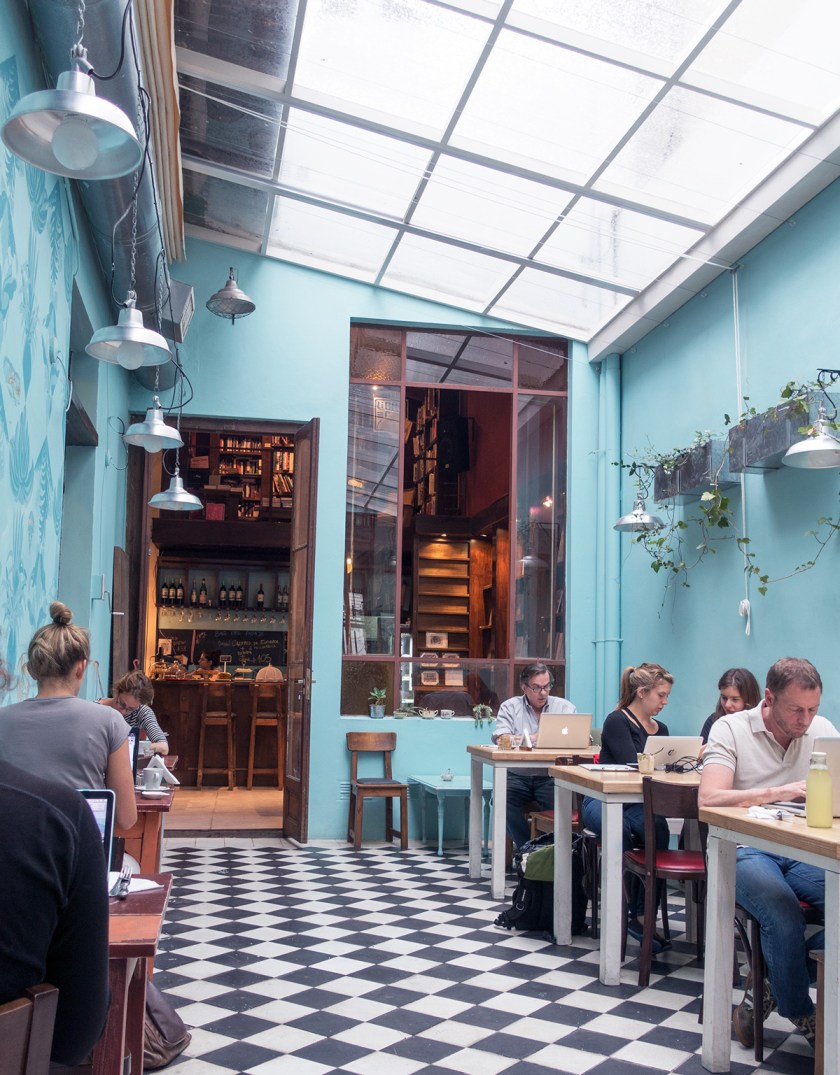 One place I immediately liked is the combined bookstore and cafe Bar de Libros Del Pasaje on Thames. Wonderfully quite with a lovely ambience it’s a perfect spot to bring your laptop and work and to have lunch.
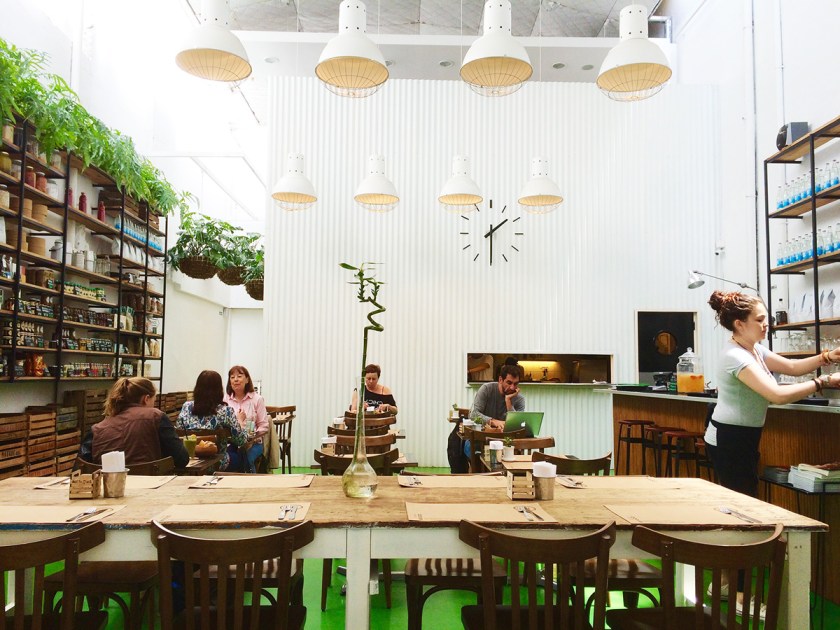 Fifí Almacén on Gorriti is a great spot to have lunch with homemade bread and food using local and organic ingredients. Nice design with the high ceilings that is so typical here.
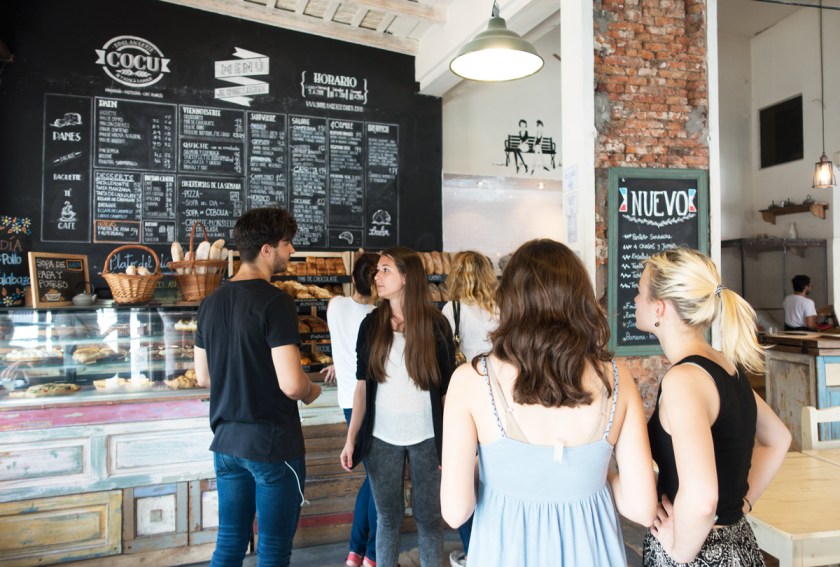 Another nice place for lunch is Cocu, a French Bakery, on Malabia close to Gorriti.
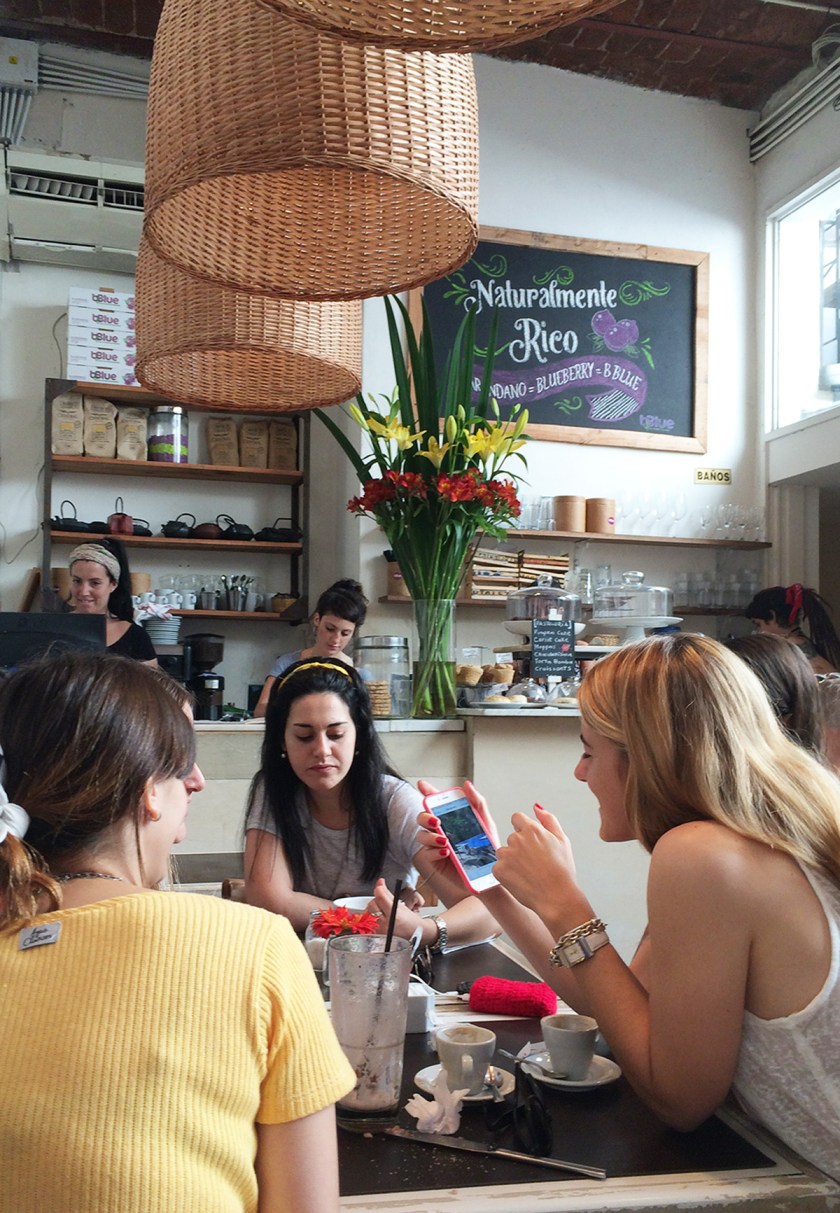 A favourite cafe is B-Blue having a lot of healthy fruit juices and organic food. Always full and busy. I’m pleasantly surprised at the many healthy restaurant& cafe options there are here in Buenos Aires.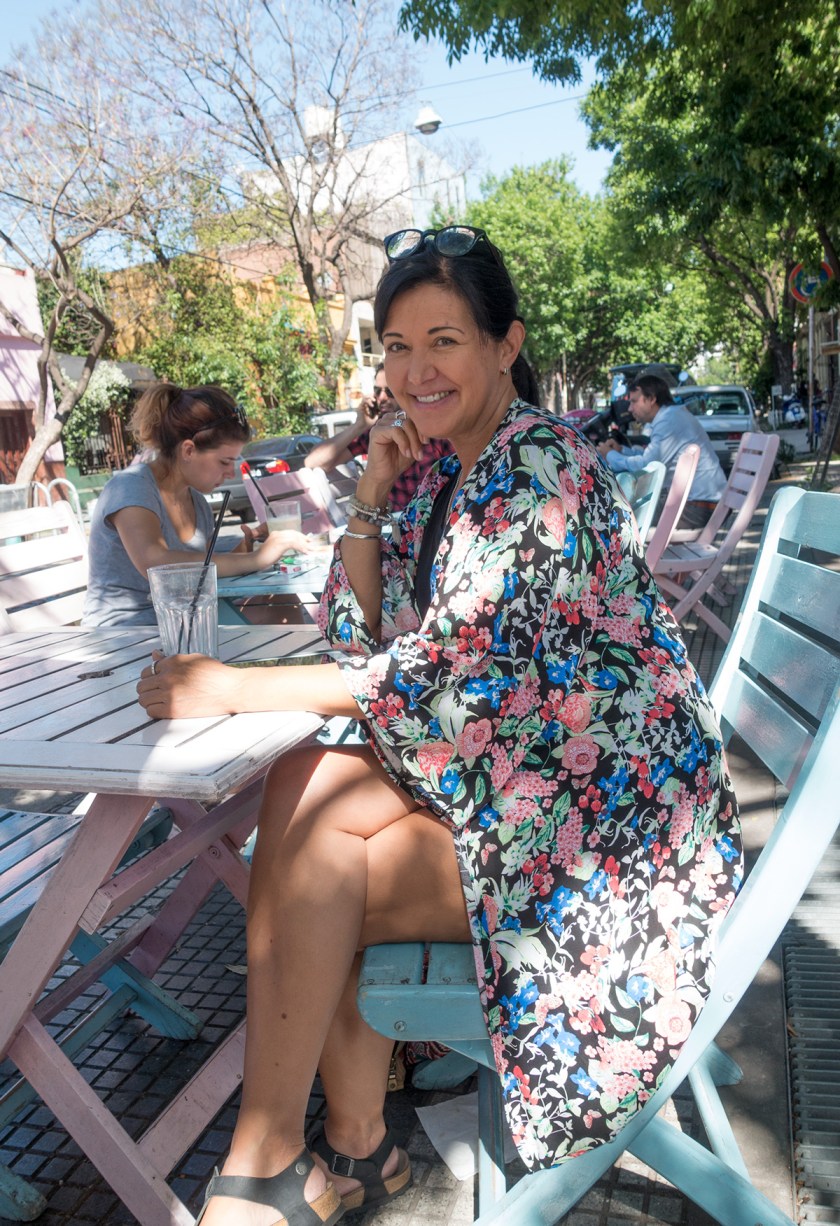
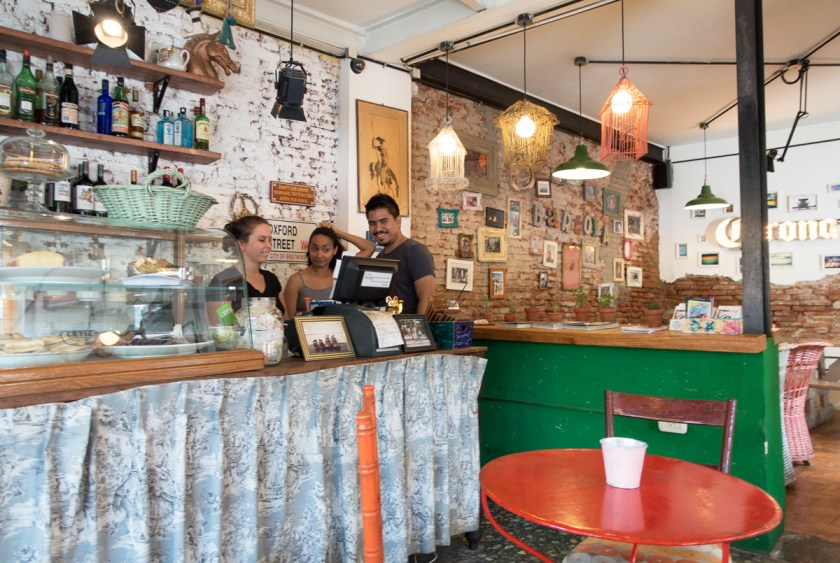 Another favourite spot is Bartola Corner. I liked sitting outside by the cobblestoned street corner of Gurruchaga and Costa Rica and have one of their salads and freshly made lemonade. Indoors is nice with a quirky decor.
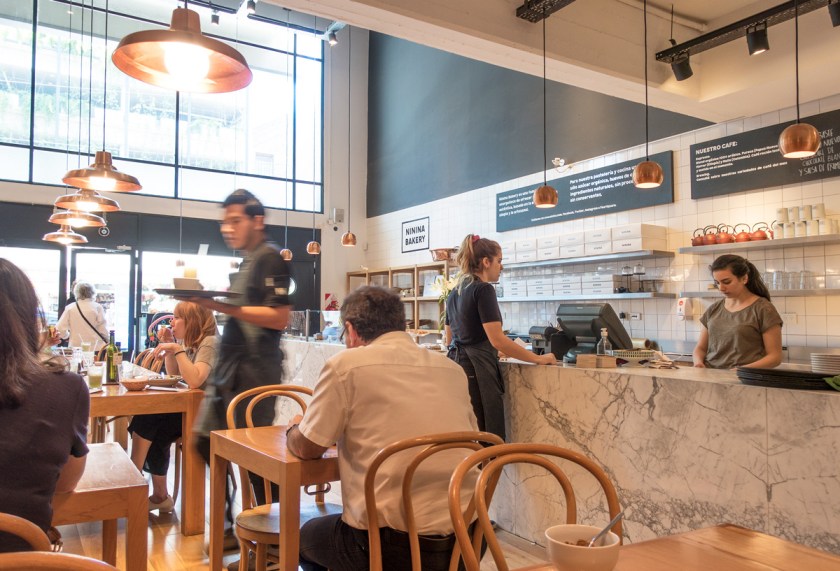 Ninina Bakery is a trendy cafe and bakery on Gorriti.
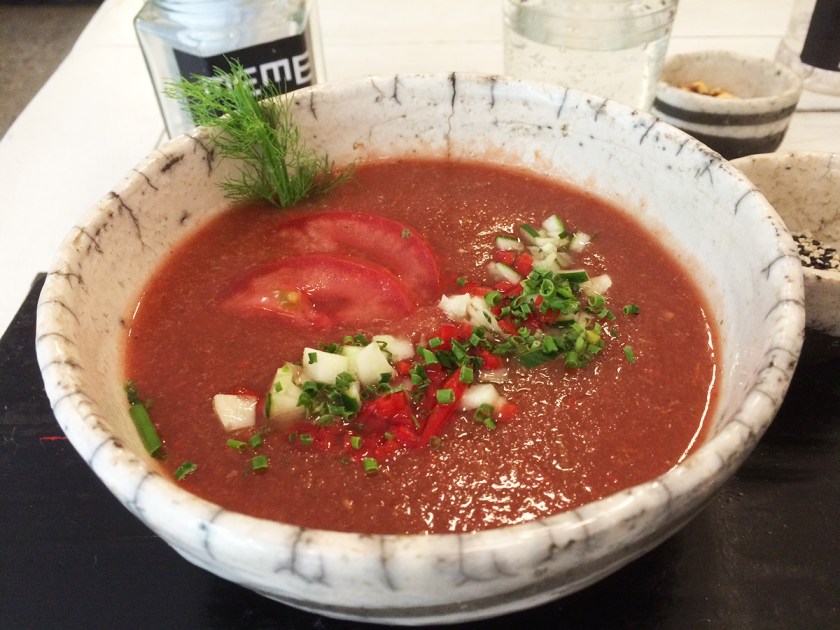 When I moved to Palermo Hollywood I found a delightful little lunch spot called Meme with delicious freshly made soups, which is my all time favourite choice for lunch. It’s on the Hollywood side of Gorriti. Loved the Japanese influenced crockery as well.
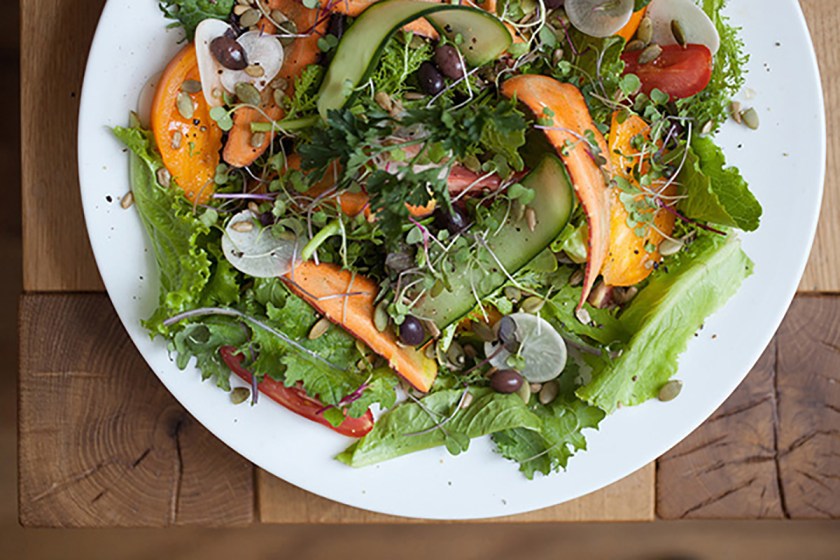 The best ever shrimp salad is at Le Pan Quotidien in the shopping mall Distrito Arcos under the railway. Sourdough bread and friendly service made this a favourite spot to lunch. I was surprised at the relatively bland food i Buenos Aires in general, and this place was a pleasant exception serving a yummy dressing with it’s salads, making it a complete and tasty dish. Photo borrowed from Le Pan Quotidien, because I guess I probably was to busy savouring my tasty salad to have the sense to take a photo of it.
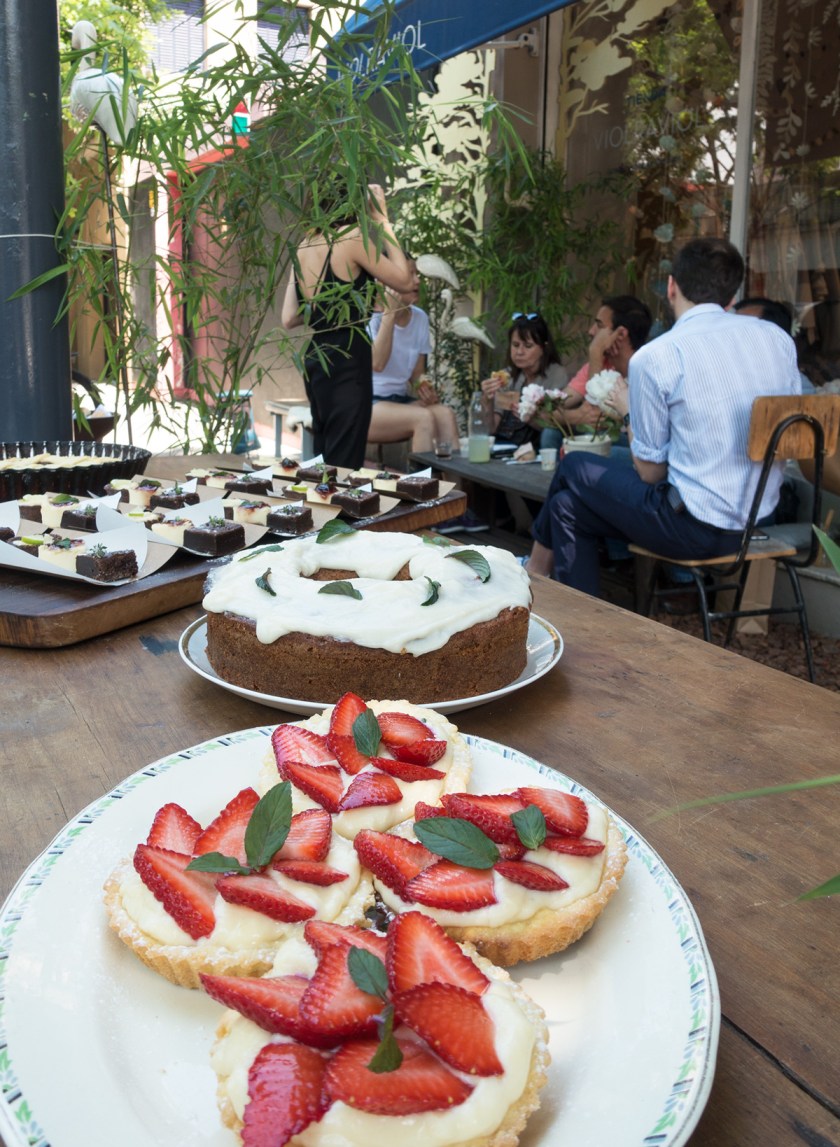 Cusic had a pop up cafe on the pavement outside the sweet home decoration shop Violraviol on El Salvador in Hollywood. Very appreciated by me as you can imagine.
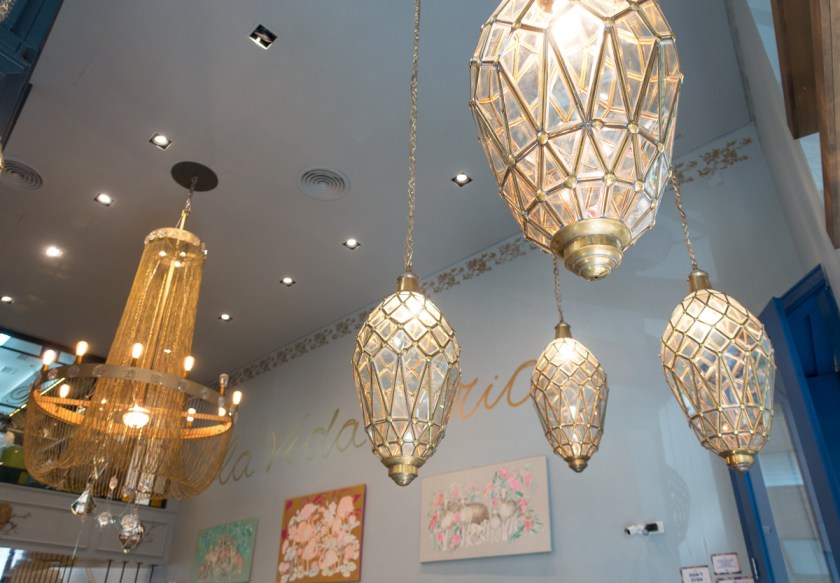 Pani on El Salvador have the high ceilings that are needed for these kind of lighting arrangements on a grand scale.
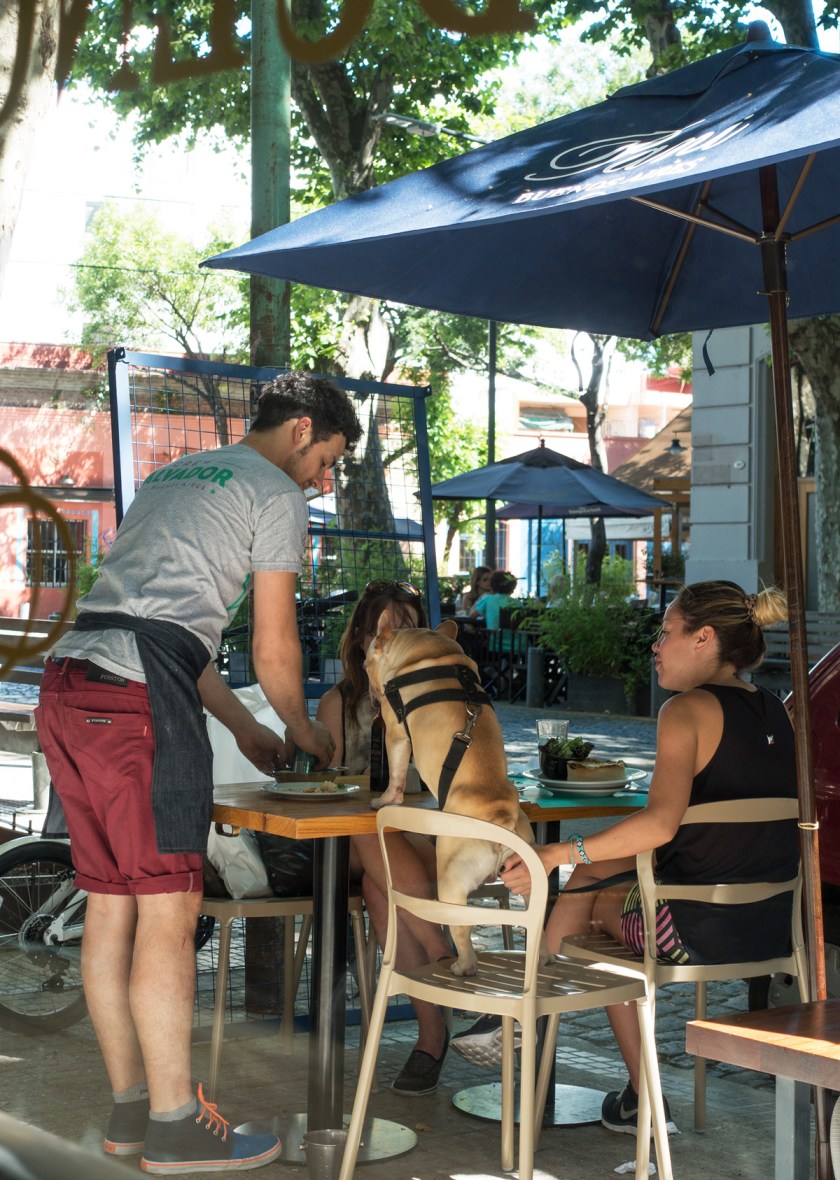 The Argentineans love their dogs. So naturally they join in and have a place at the table too…
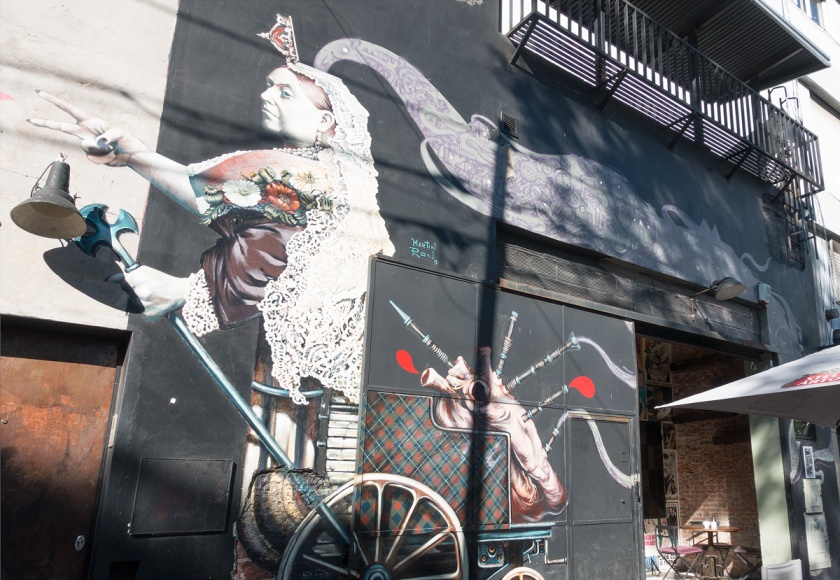
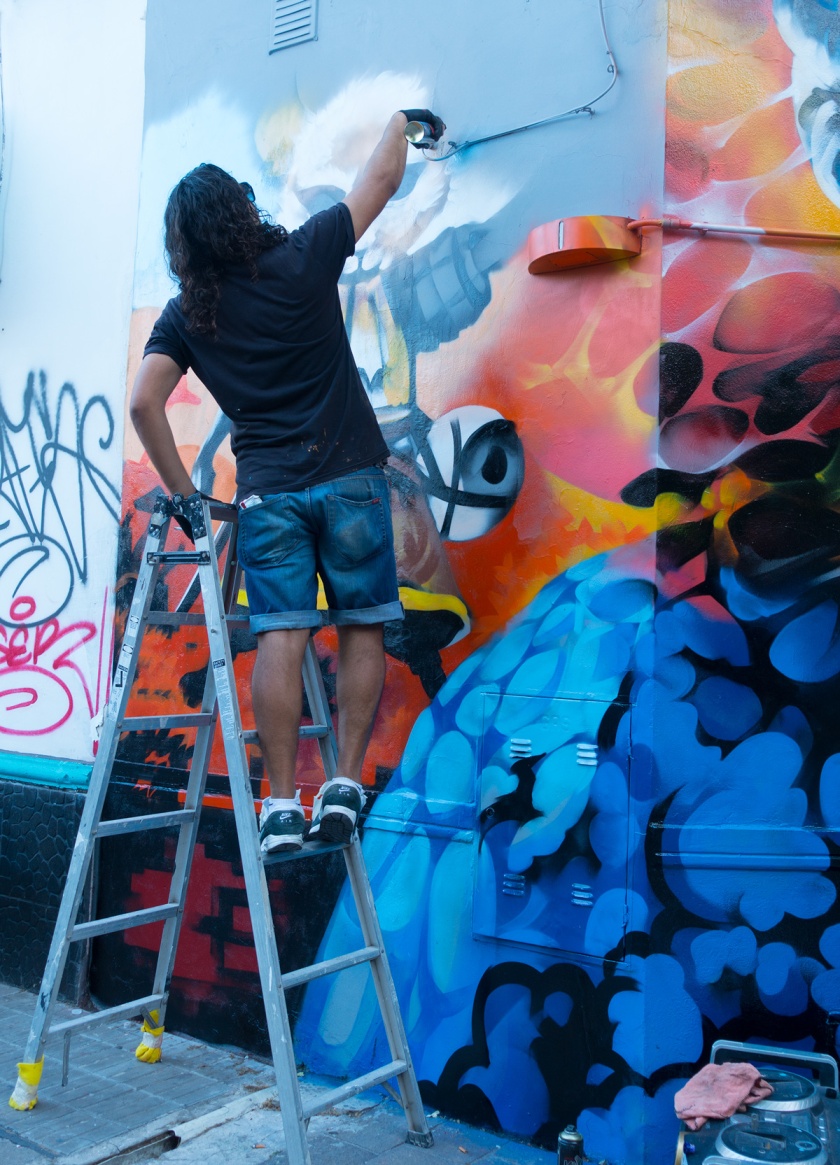 Talking one day to a graffiti artist, steeped as I am in the rules and regulations of Swedish bureaucracy, I asked him if it was allowed to paint a whole house as he was doing now? He just laughed and replied, ”This is Argentina. We do what we like here!”
 This is the end result. Quite impressive, isn’t it?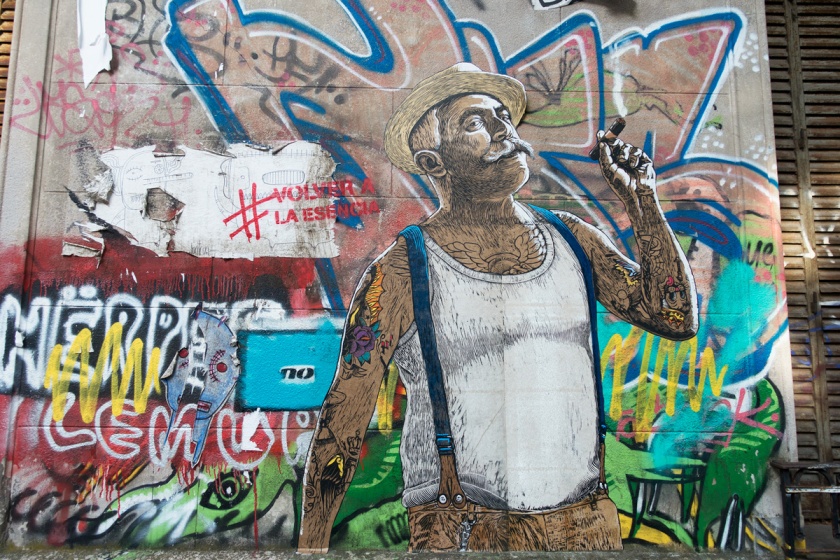


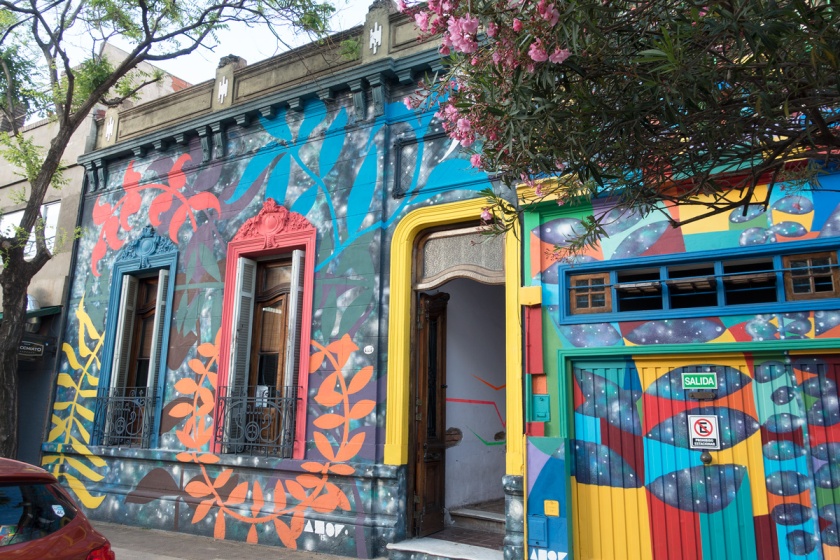



 The leafy streets gives much needed shade and a sense of nature in this big city.
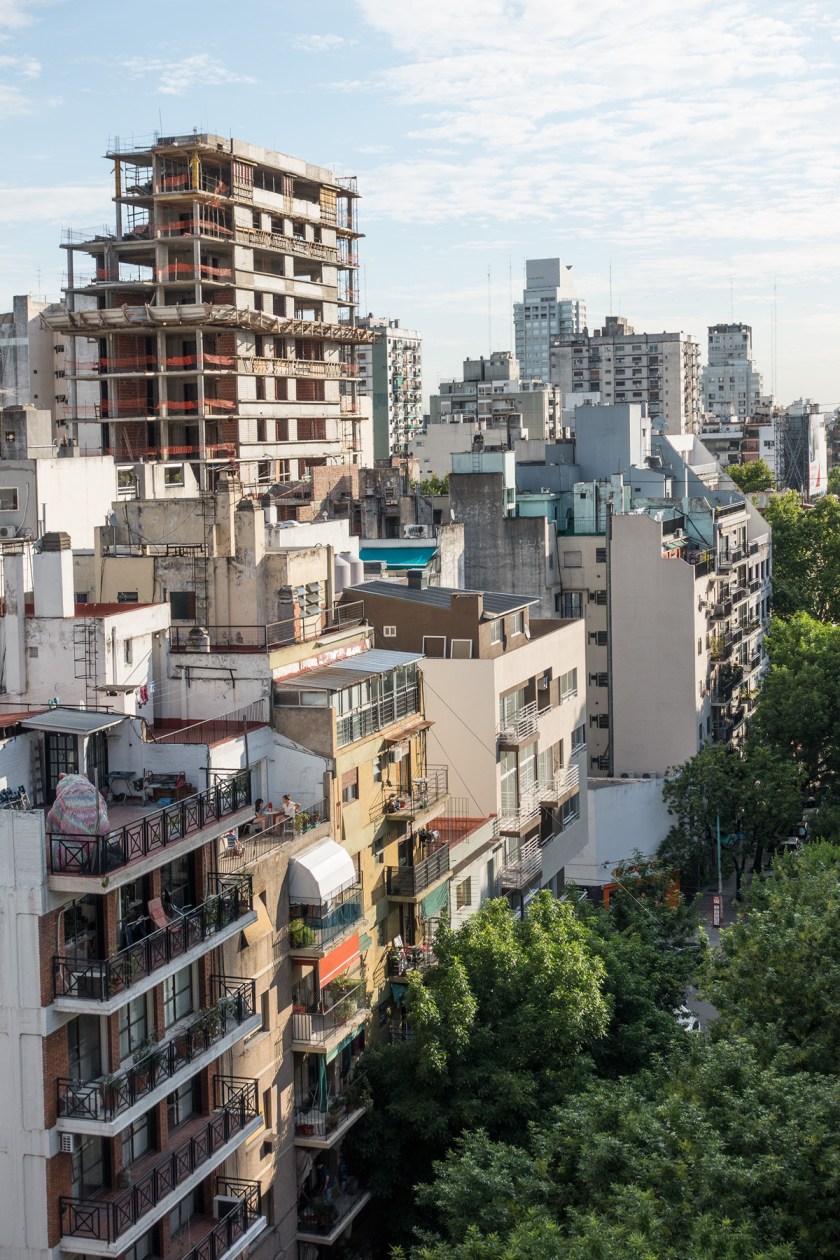 Sometimes one is unaware that, because the trees are so dense that they almost form a roof, the city continues to spread upwards.
 I enjoyed looking at architectural features such as the tall doors and windows or the wrought iron details of the houses in Palermo.
 Even the cobblestones on the streets originate in parts from Europe. Some even from Sweden! Brought back here as ballast on the ships transporting the famous Argentinean meat to Europe.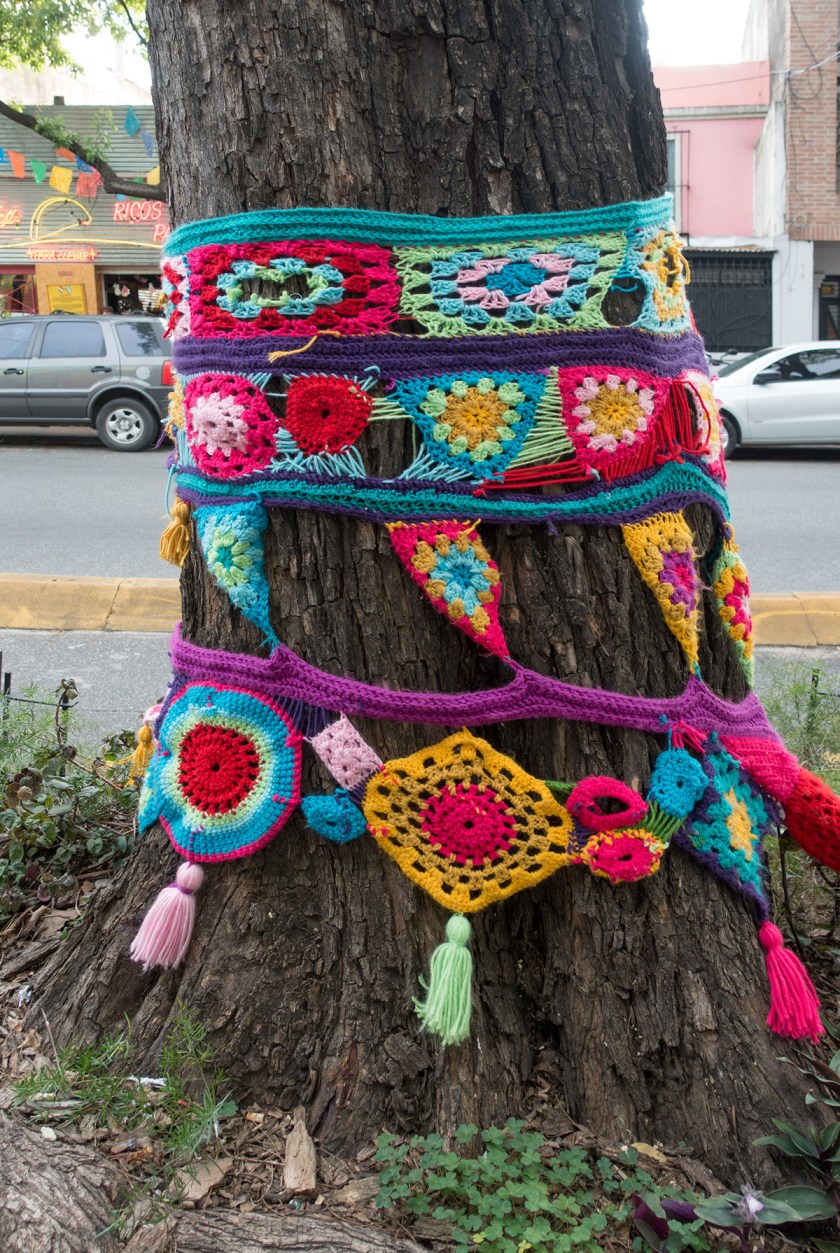
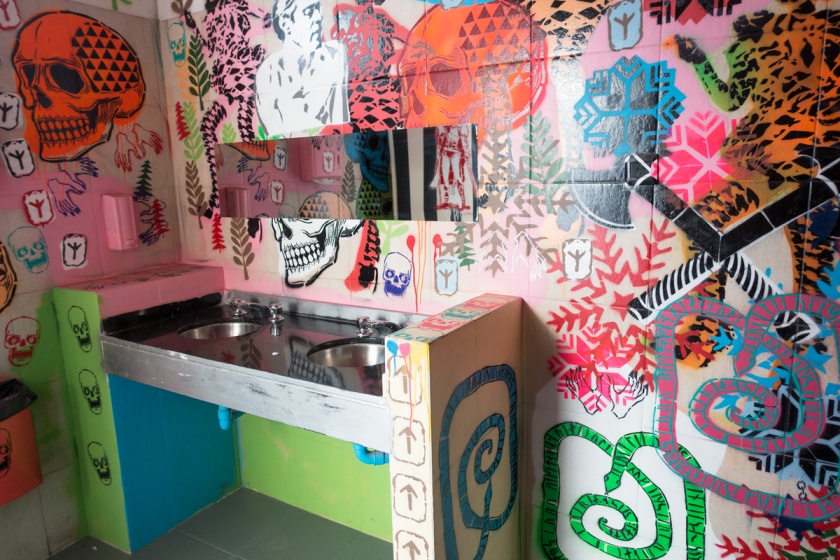
 One of the first things that I noticed was the amount of graffiti on the walls and that they were amazing! Sometimes whole houses were covered and really made a statement, adding to the bohemian feel of this neighborhood. See more fantastic graffiti in my next post.
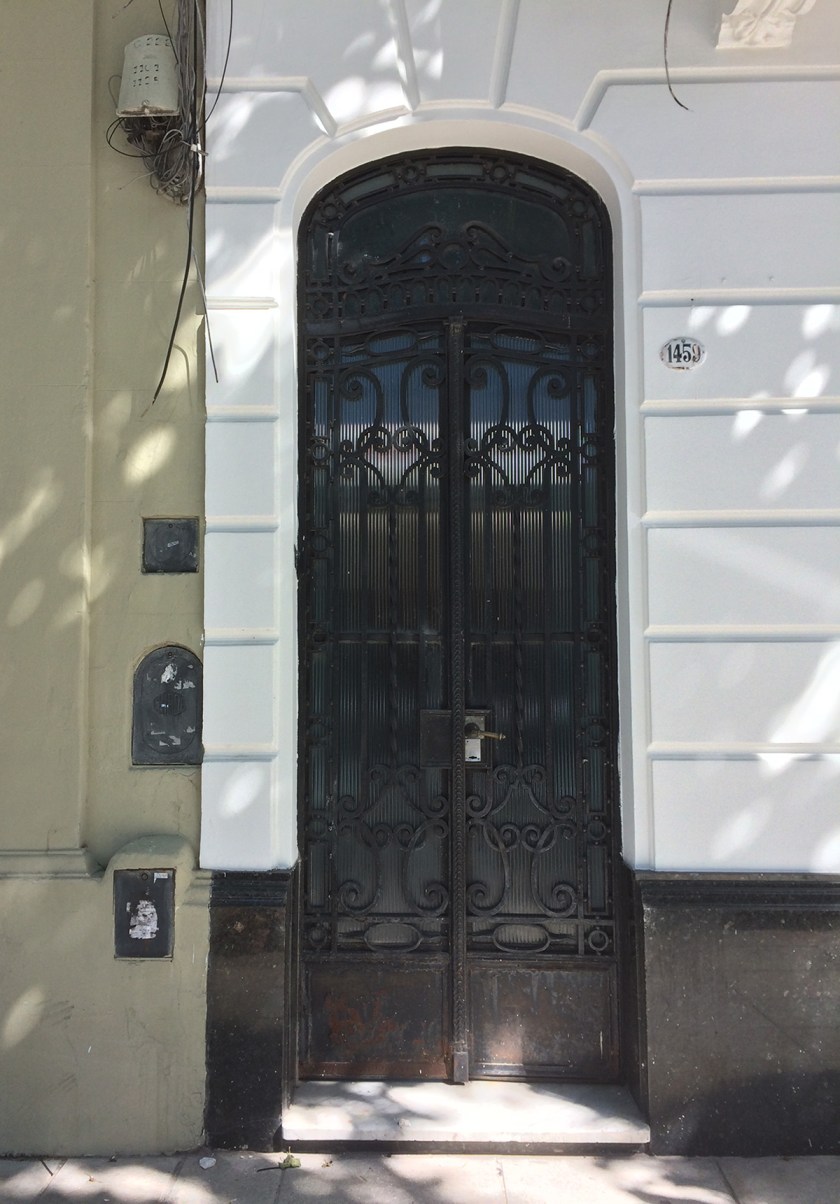 They have some very distinctive house styles that are typical for Buenos Aires. The Casa chorizo or ”sausage house” and the PH houses are usually very narrow and very long houses with a series of rooms organized in a straight line around a patio, an open space though which the rooms receive natural light and ventilation, allowing the house to breathe. And then we have the Conventillos, which are a series of connected buildings, in the beginning used to accommodate the immense immigrant flow in the early 19th century.
 Also the cafe culture here originates from Europe. And boy do they do this to perfection! I found the best chocolate cake in the world right here! Lucky me!
 Wine is important here as it’s one of the largest wine producing countries in the world, and the Argentineans are proud of their wines, such as the Malbec wines.
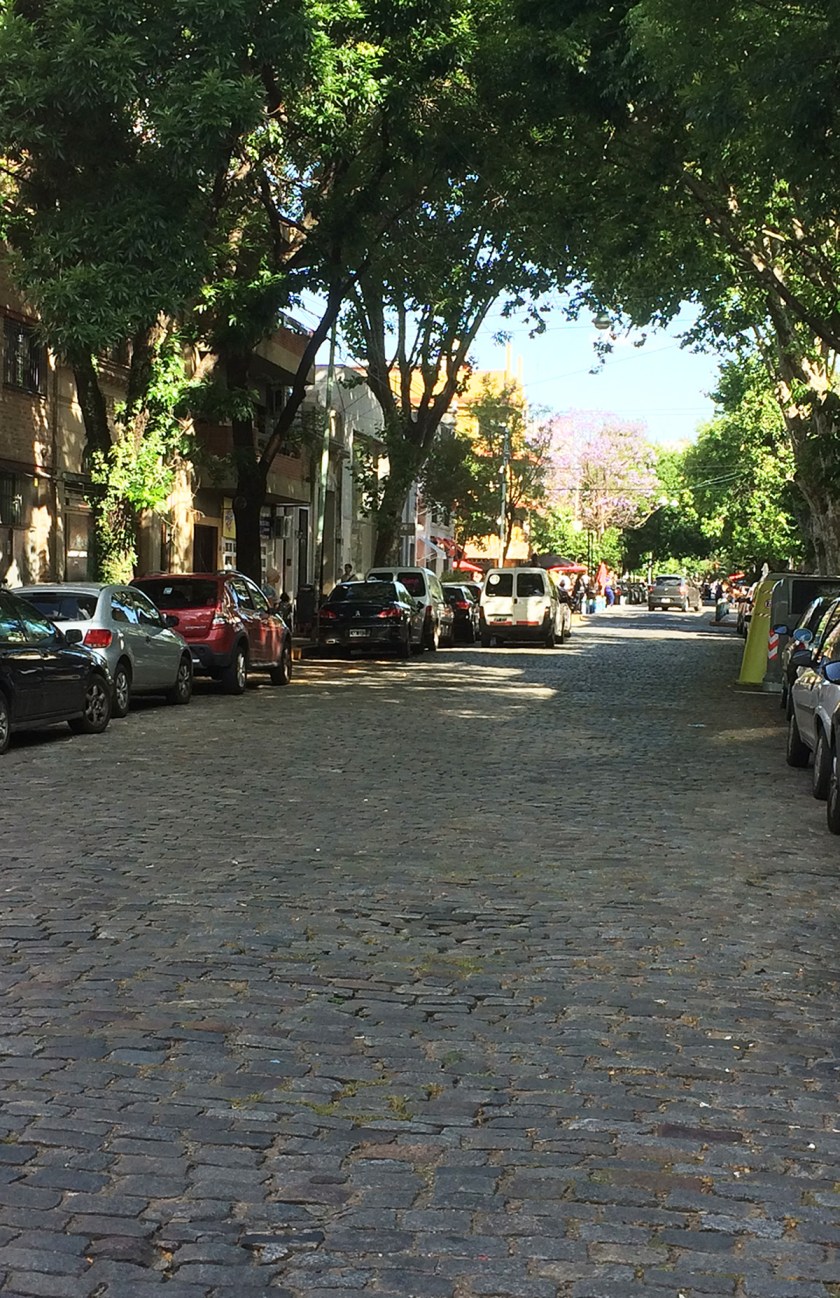 I love the relaxed ambience here. The pace of life here feels refreshingly slower. I walk the streets and try to get my bearings. Paraguay, Thames, Charcas, Nicaragua, Gurruchaga and all the other lovely tree-lined streets…Then I settle in for my two moths stay here.
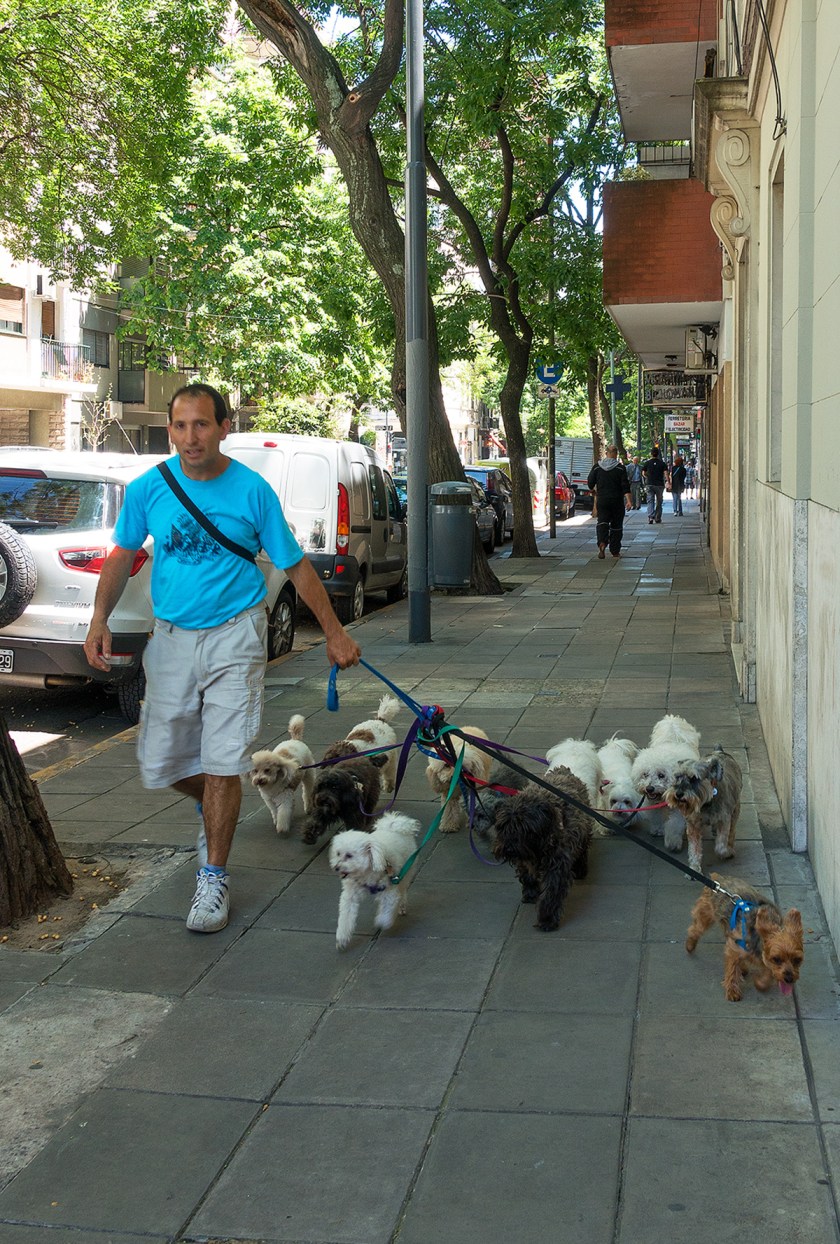 I watch the dog walkers on their daily rounds. The small dogs have one dog handler. The big dogs another.
 I buy my fruit and vegetable in local small shops, the displays spilling out onto the sidewalks. Find favourite cafes. Hairdressers. Food stores.
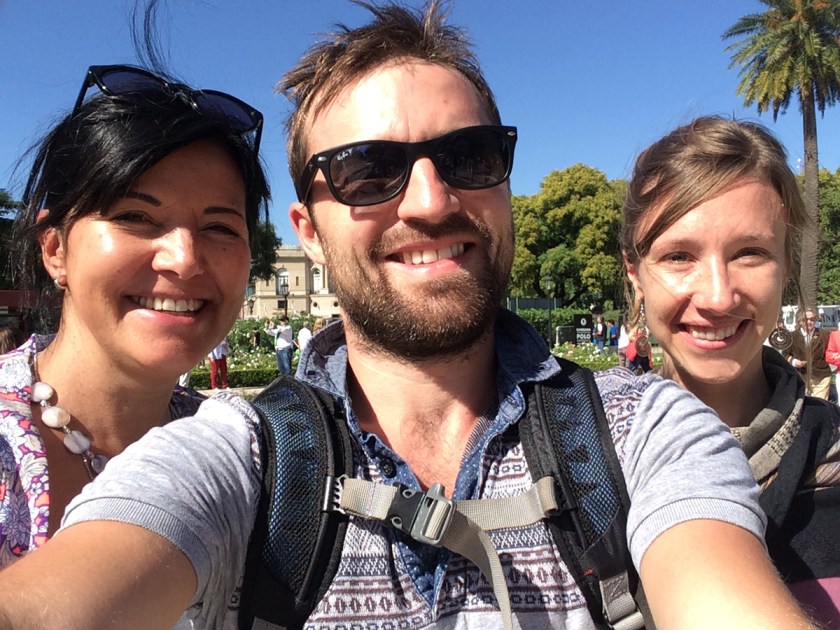 Enrolling in a school to pick up a bit of Spanish. Meeting new friends there. Here I’m with Peter and Julie at a polo match on a scorching hot day.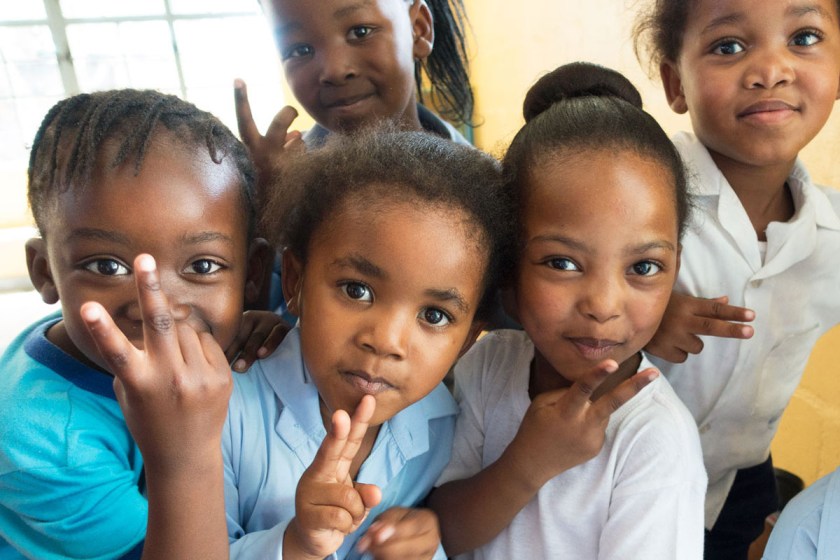
 Bohemialife