Latest Posts

Love of colours

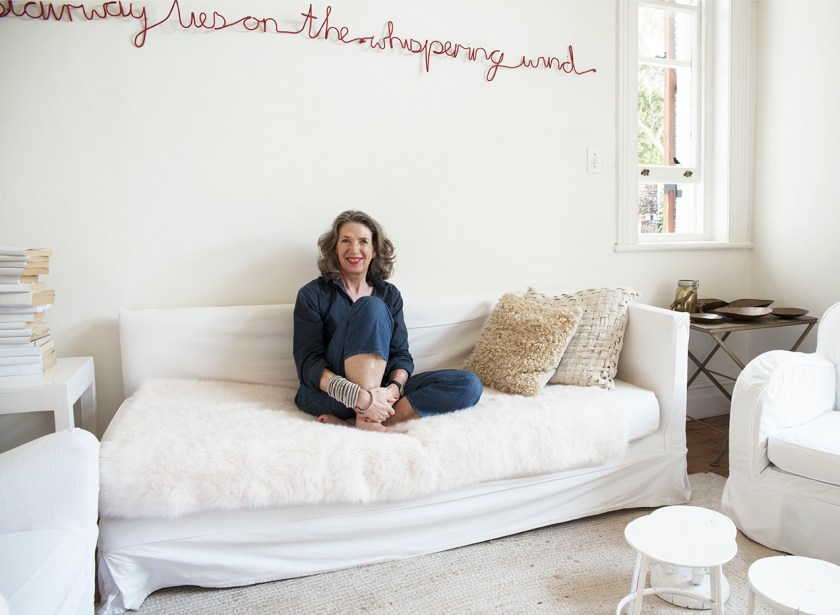
I arrive at Carin’s home straight from Asia. Stepping through the front door into a room full of vivid colours, bold patterns, face masks and artefacts, I immediately feel that I’m in Africa. Her home is a small Victorian townhouse in Green Point. The house has a discreet grey façade, but isvibrant with colours inside. A living room on the ground floor opens up all the way to the rafters, with a kitchen to one side. Two bedrooms, a bathroom and an enclosed courtyard swathed in greenery are also on this floor. Tucked away under the eaves is her bedroom that also has a small workspace and a second bathroom.
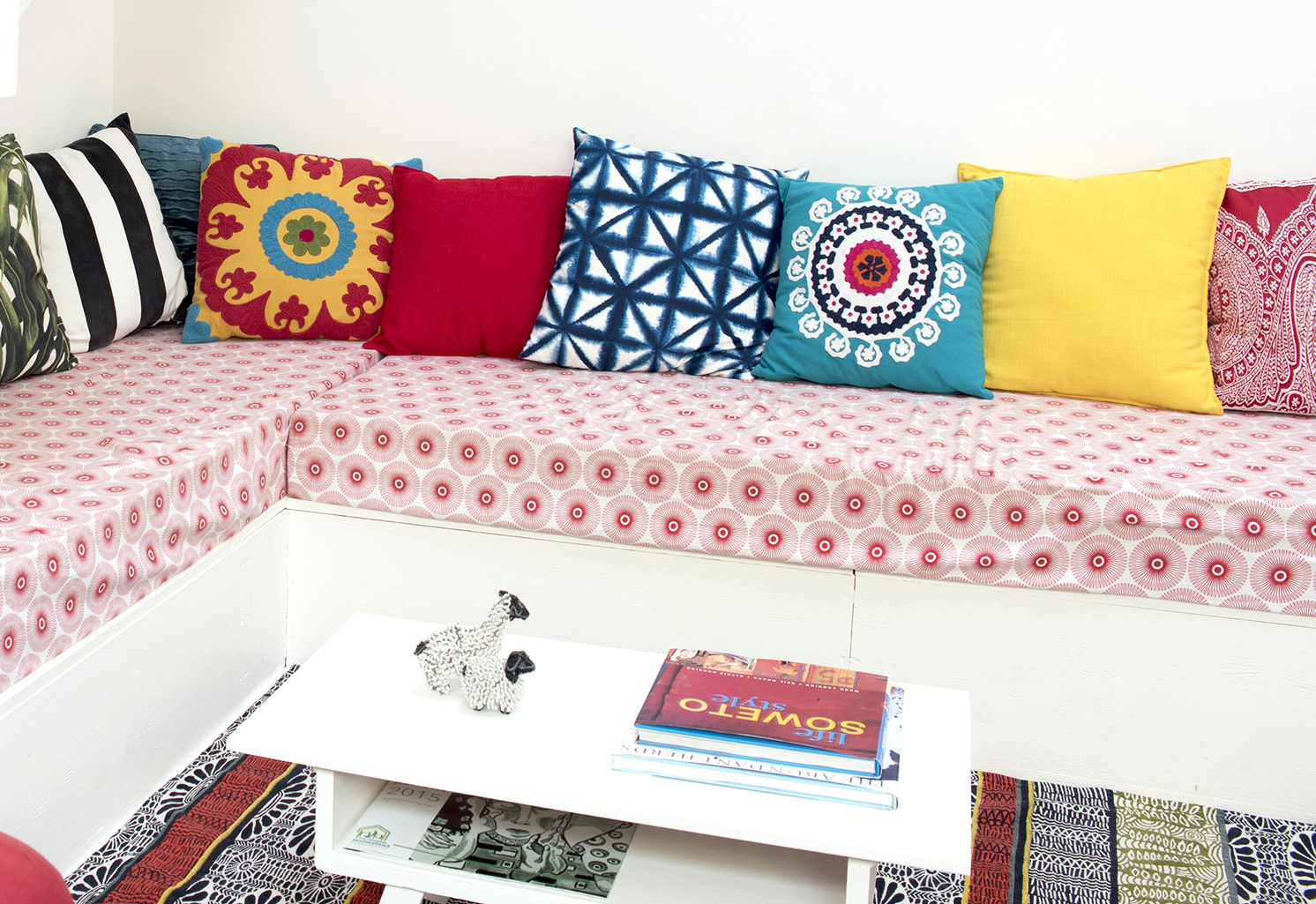
Carin is a freelancer, often working from home with photo and copyright research for publishers. Her background as a textile designer shows up in the strong colours and prominent patterns found in her home. She is also educated in art and painting and plans to return to it one day. The paints and brushes are ready and waiting. But it’s in interior decoration where she mostly finds an outlet for her creativity today. It may be by painting a piece of furniture or a staircase, sewing cushion covers or by upcycling things. She is true to her motto which is: ‘It’s the doing and the loving of the doing that brings happiness’.  

When she bought the house five years ago, it was the openness and airiness of it that attracted her. The interior, which was painted white and had a clean appearance, was another essential factor. The size was alsoright, about 90 square meters*, as she was keen to downsize. Her daughters suggested at first that she move to an apartment, but she felt she needed an outside space too.
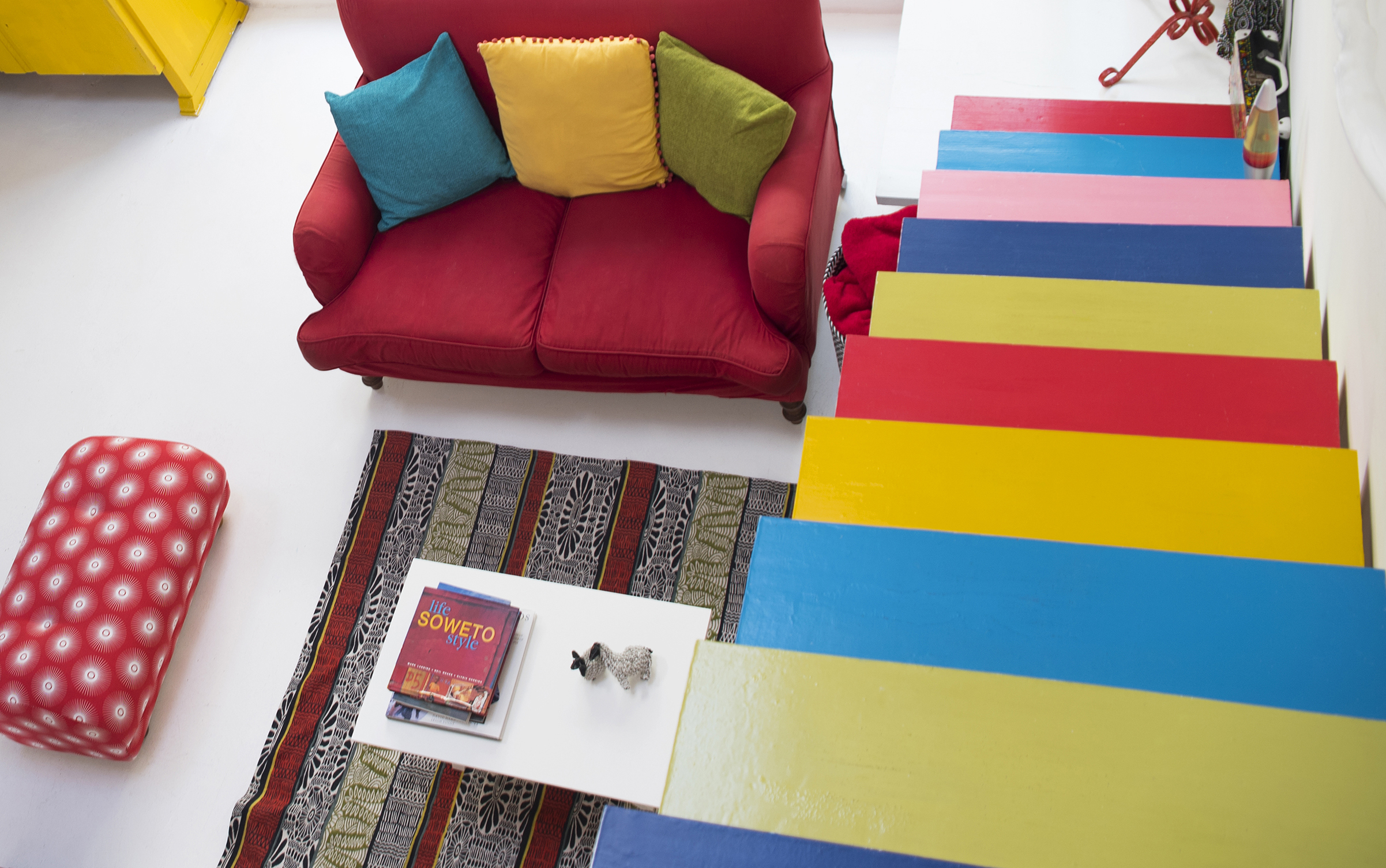
“Show me anything that can’t be painted,” she says. I love playing with paint and I had a lot of fun when I painted the furniture, the doors and the staircase. My favourite colours are red, yellow and turquoise, especially when they are combined with white.”

“How would you describe your interior design style?”
“My style is very simple, almost naïve, and colourful. I have no rules whatsoever. If I like something I will buy it, but it would always have to be cheap. My biggest thrill is to do something cheaply and to upcycle things. It gives me more pleasure than buying something new and expensive.”

“What is the best advice you can give people in terms of making a home for themselves?”
“Be true to what you really like, and not what you think will impress others,” she answers. “I can walk into houses that are really nice, decorated in greens and browns. But I just can’t make my own home like that. Try to make your home in your own style and in a way that really appeals to you. Perhaps making scrapbooks as I do could be good advice. In making them, take anything that inspires you; it can be a colour, a shape, or a pattern. Collect inspiration even though it doesn’t feel relevant to you at the time. As long as it resonates with you, it’s good.”

This is an excerpt from the book Home Life Around the World and is one of the unique and personal homes I visited.

Release date 15th May.
Home Life Around the World is available for pre-order in iBooks store, Kobo and Google Play. ISBN 978-91-984455-1-0
The book is also available for pre-order in the Kindle format. ASIN: B079VDPBVF
Print edition ISBN 978-91-984455-0-3

Copyright and photo: Anita Martinez Beijer

A Peaceful Haven

I’m in the home of Nicolás Cunto in Buenos Aires. He is an architect and he also owns a business, where he sells bags and accessories of his own design.

As an independent architect, he carefully chooses the projects he engages in using two criteria. Projects that he likes, or projects that involve people that he likes. He undertakes about two a year, mainly because his business takes up most of the working hours.

“Working as an architect I like to work with people who have a dream. And then I can dream with them,” he says.

His home is in Palermo Viejo, a more quiet and residential area than the livelier Palermo SoHo or Hollywood. It’s less developed, as the building regulations stipulate low-rise buildings of no more than twelve meters height. The architectural style of his house is called PH, Propiedad horizontal, a variation of the Casa Choritzo, typical for Buenos Aires, where the majority of the building plots are long and narrow. The individual units and rooms in these buildings are lined up in a straight row, long and thin as a Chorizo sausage, each reached from a long and narrow, roofless corridor leading from the front door.

These two-storey dwellings are neither apartments nor houses, but something in between, and quite unique for this part of the world. They each have individual patios, providing fresh air and ventilation. The street-side unit of the PH houses has its own exterior door and the two units behind it, have a shared exterior entrance.

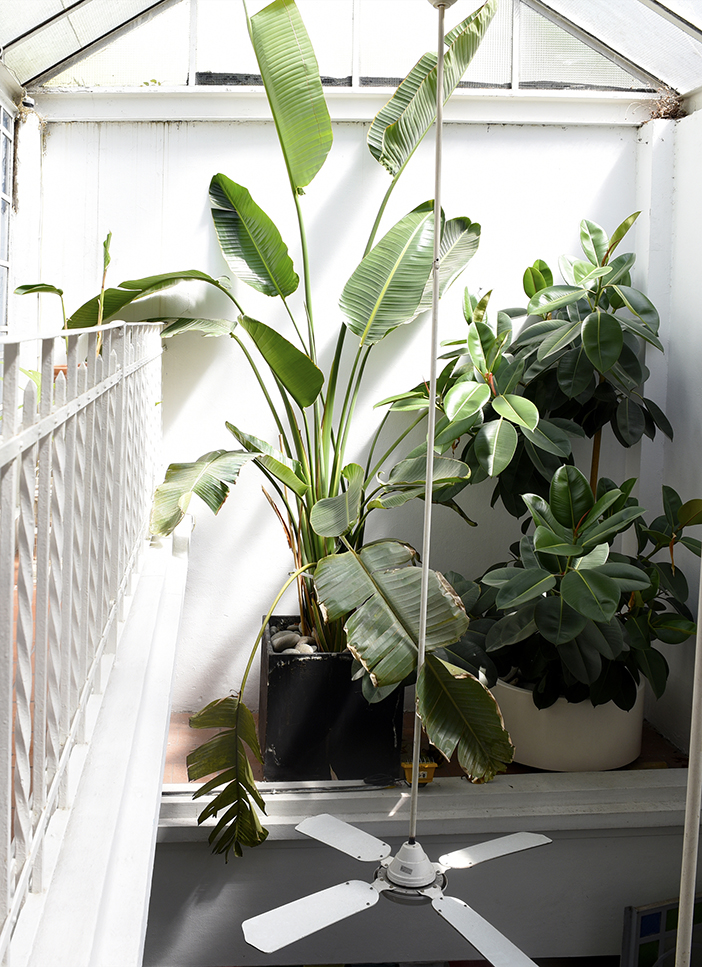
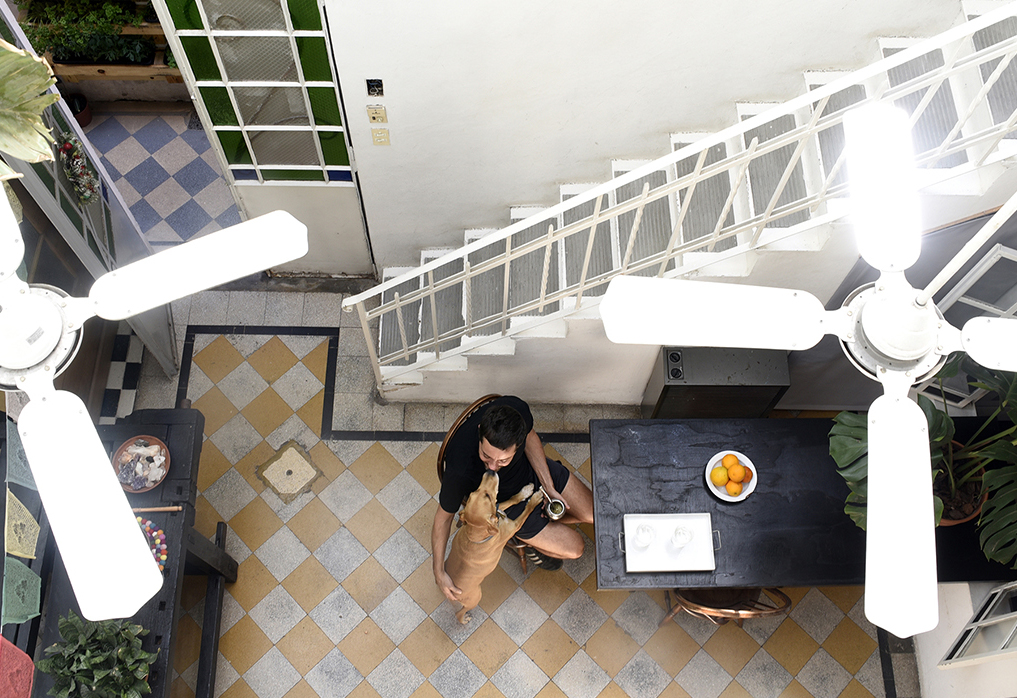
Stepping inside his home I’m in a small courtyard that is now a room, since his patio is glazed over with a greenhouse roof. It’s a bright space with a fantastic ceiling height. Huge potted plants, a banana tree and a Ficus, are high up on a ledge. The sunlight slants through a grid made of bamboo, giving much needed shade. Two ceiling fans are rotating slowly, circulating the air that comes in from the front door, an open window to the passage and the open door of a roof terrace. Leading off this downstairs patio-room is a small kitchen and a living room. Up one flight of stairs and on a small landing is a bathroom and another flight up is a bedroom and an open roof-terrace that has a large collection of plants.

“I like to be at home, to cook and to take care of the plants,” he tells me. “I enjoy being alone. And I relish silence. There is a famous saying in Italy: Il dolce con niente’. It means ‘The sweetness of doing nothing’. Our culture now is very fast-paced and stressful. It’s all about producing, delivering and being efficient. So I like to indulge in the sweetness of doing nothing as often as I can.”

“Silence is very important for me and it was an important factor when I was searching for a place here in Buenos Aires”, he says. And his home is really extremely quiet. There isn’t a hint of the bustling city outside populated by the 2,9 million inhabitants called Porteños.

“This house is like an island,” he continues. “We could be anywhere, in a remote village or in the countryside. But step outside and the city is there with everything a big city can offer. So it’s like having the best of two worlds.”

“My home is the most important place on earth. A home is a place that you make into a home,” he emphasizes. “For me the most important things in the home are the living things. Paco, Emma, the plants and me. That energy is what makes it a home.”

This is an excerpt from the book Home Life Around the World and is one of the unique and personal homes I visited.

Release date 15th May.
Home Life Around the World is available for pre-order in iBooks store, Kobo and Google Play. ISBN 978-91-984455-1-0
The book is also available for pre-order in the Kindle format. ASIN: B079VDPBVF
Print edition ISBN 978-91-984455-0-3

Copyright and photo: Anita Martinez Beijer
Wabi sabi in Brooklyn

East Williamsburg in Brooklyn is an area that’s becoming more residential as factories and warehouses move out. This is where Elissa Ehlin lives, and she shares her home with her husband Jay Leritz, Cougar their son, and their cat Pretty Perfect.

The low-rise buildings around their home are covered in imaginative graffiti by internationally renowned street artists, and theirs is no different. They have lived here for eight years and have transformed what previously was an auto repair workshop in an industrial building into a very personal home. The extensive construction work that this has required, they did themselves with the help of friends.

Elissa is an enamelist by profession like her husband, and they have one of their two studios in the same building. This atmospheric home has exposed wood beams, brick walls and metal beams, wooden floors, rustic plank stairs and a serene colour scheme. It’s set up on two levels with an open plan living room and kitchen on one floor. A mid-century conical fireplace is in one corner of the room. Lying on the floor next to it is a large dove-grey floor cushion that acts as a sofa and a Pioneer chair. Handmade objects adorn shelves, walls and table surfaces. There is a large roof deck upstairs and on the ground floor are the bedrooms.

Nothing in this home is mass-produced. On the contrary, everything here is made either by themselves or by people they know. Every single object has been carefully chosen and is a cherished and loved possession.

“I’m passionately interested in American craft and handicraft. Everything we have is handmade down to the bedding that’s hand woven and of a high quality. And I myself only wear the clothes of two designers. I’d rather live with nothing till I get what I want,” Elissa says.

Their home is very consciously thought out and there are very good reasons why it needs to be as subdued as it is, she tells me. One of them is the city of New York itself. The pressure of living in such a fast-paced and stressful environment, where nobody walks fast enough and where even the simplest of tasks can be overwhelming, takes its toll.

This is an excerpt from the book Home Life Around the World and is one of the unique and personal homes I visited.

Release date 15th May.
Home Life Around the World is available for pre-order in iBooks store, Kobo and Google Play. ISBN 978-91-984455-1-0
The book is also available for pre-order in the Kindle format. ASIN: B079VDPBVF
Print edition ISBN 978-91-984455-0-3

Copyright and photo: Anita Martinez Beijer
Industrial living

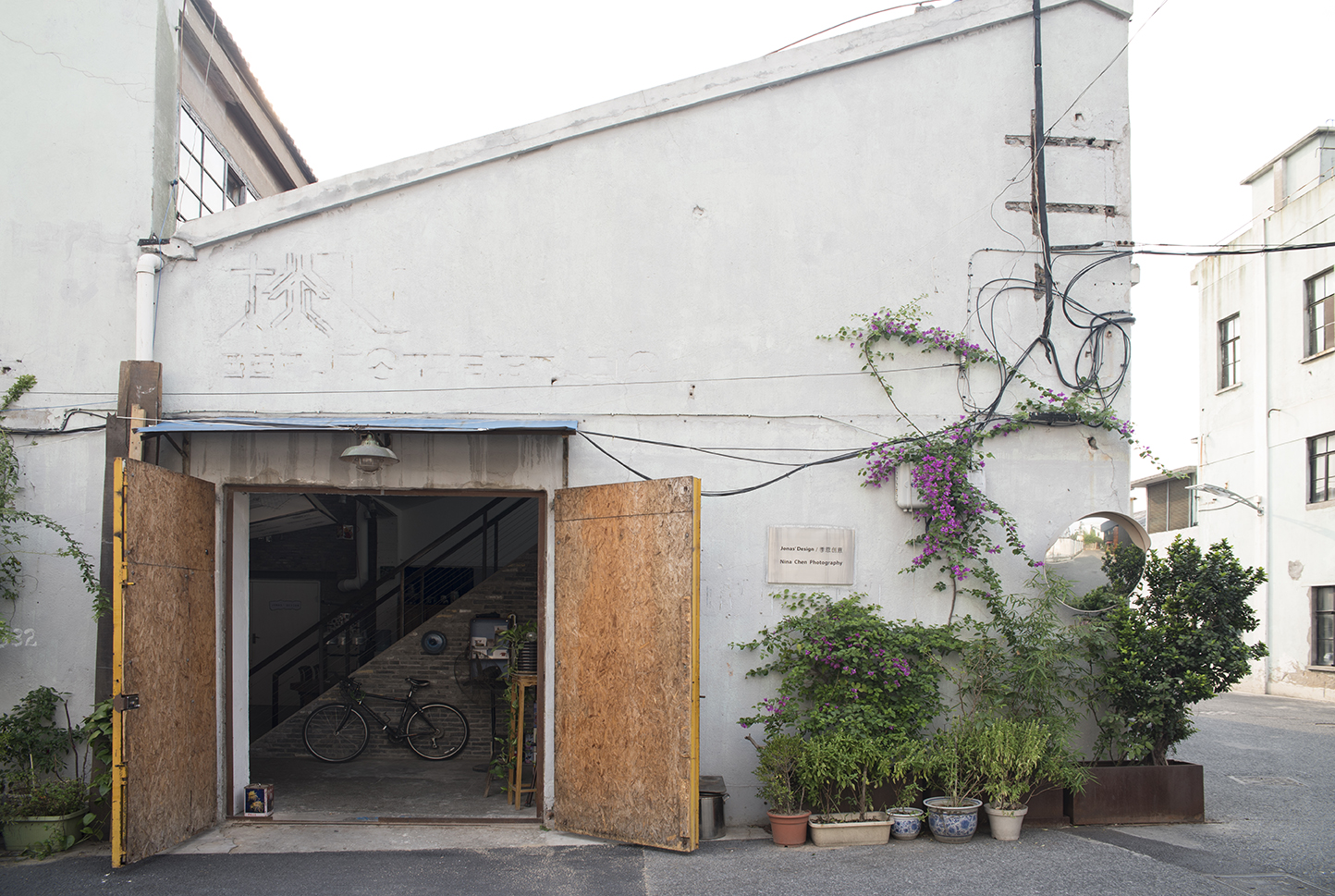
I’m in what was once an old warehouse in an industrial park in the northern district of Yangpu, a good distance from central Shanghai. This is the home of Jonas, his wife Nina and their daughter Anna. It is also here that Jonas has his showroom and workshop, Nina has her photo studio and where both of them have their office. It’s obvious that creativity is central in this home.

The industrial building in itself and the showroom that takes up most of the ground floor reinforces the feeling of it being more of a workplace than a home. But outside the entrance a collection of potted plants creates a homely feel in an otherwise industrial environment. The names Jonas + Nina + Anna painted on the huge rusty metal door, which is their front door, indicates that this is a home too.

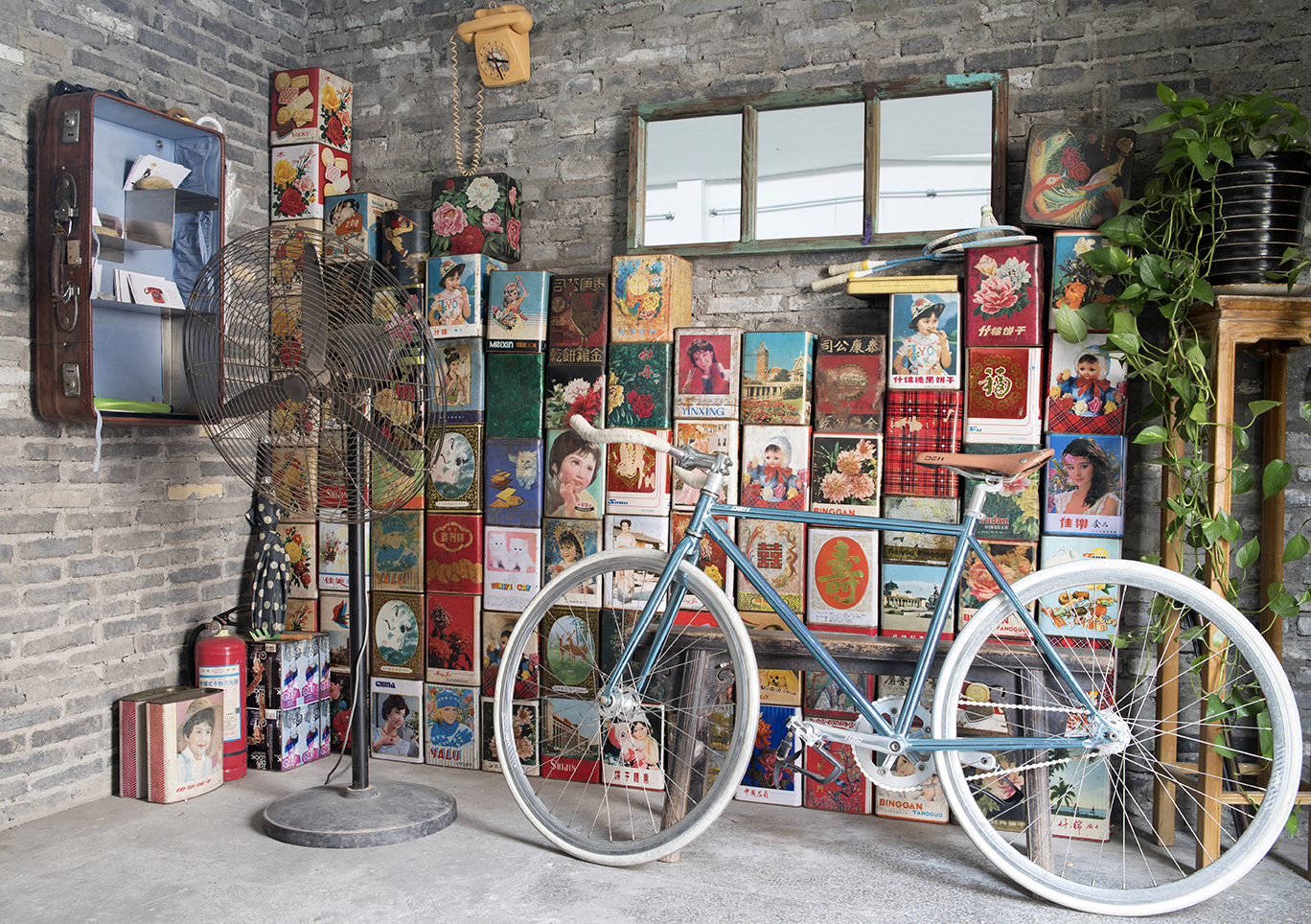
Entering their home I’m initially struck by the vastness of the space and then by the huge variety of objects placed around the large room, all of them made by Jonas. Directly inside the front door are colourful vintage biscuit boxes stacked against the wall, waiting to be turned into lamps.

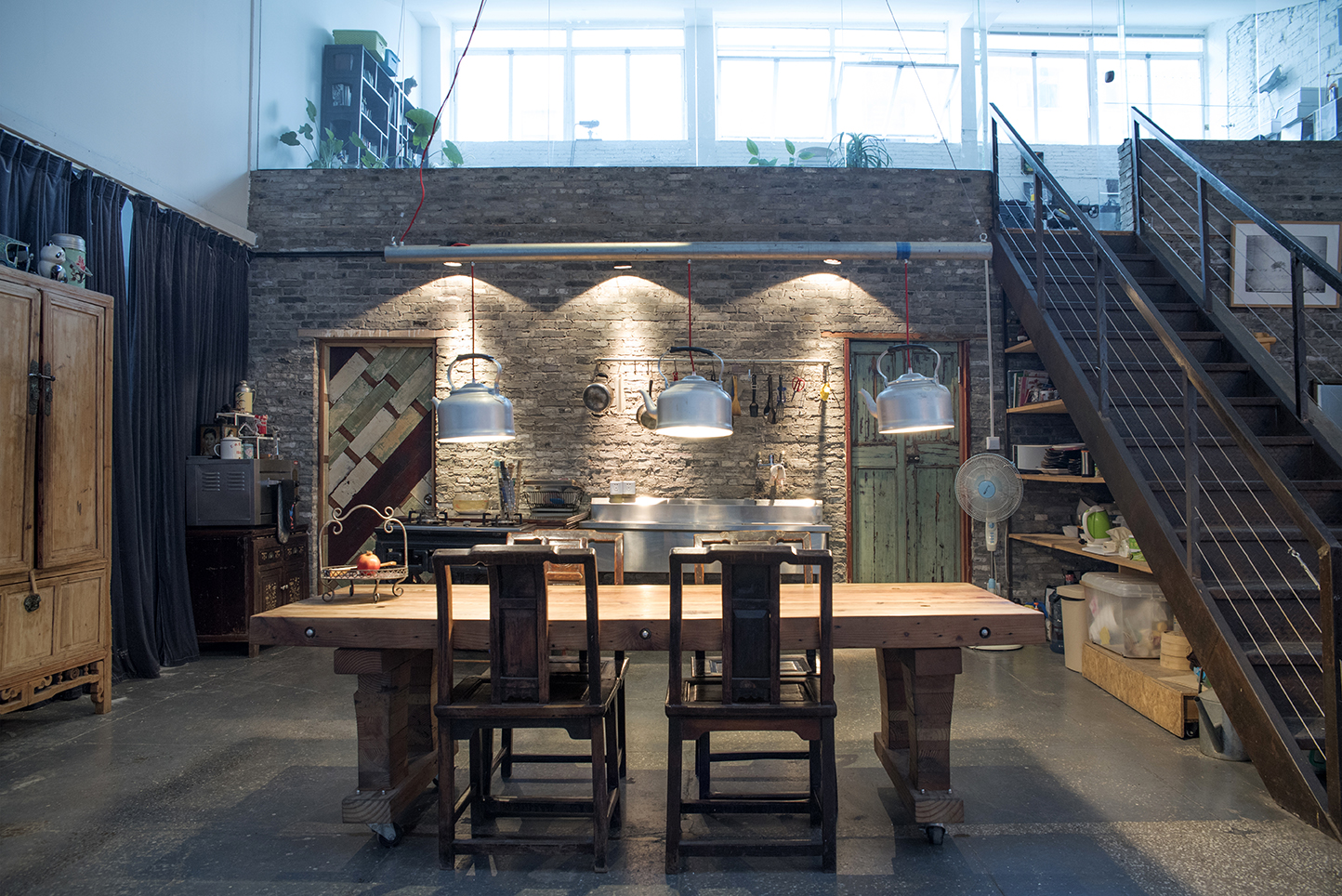
There is a kitchen area in one of the corners of the large room. Over the massive dining table, the light from three ceiling lamps made of kettles gives a cosy feeling. To the right of it is an old door leading into a bathroom and to the left is a door made of reclaimed wood that leads to a bedroom. Behind floor-to-ceiling drapes is Nina’s photo studio. Next to it, behind metal doors, is where Jonas has his workshop.

The building was originally a single large room open to the roof. Jonas and Nina added a loft, where they have their living room as well as a bedroom for themselves and their daughter. This gives them the privacy of a home but they have an office space up here as well.

When they found this place it was dilapidated and required a lot of work to turn it into what it is today. But they saw that this place would be ideal to both work and live in. However, it was necessary to get in help to do the extensive renovation work. They brought out the buildings original brickwork and repainted the interior of the large 300 square metres building.

“What is the most important feature?”
“The open space and the light. The ceiling height is nearly six meters and this makes this place so special.”

“How would you describe your interior design style?”
“Upcycled based on mixed and matched vintage and shabby chic.”

This is an excerpt from the book Home Life Around the World and is one of the unique and personal homes I visited.

Wu Wei Creative Park where Jonas and Ninas lives was earlier mostly frequented by artists but is now more or less taken over by wedding photographers. On a daily basis one can see numerous photo shoots taking place. Wedding photography is apparently a huge business here. They have built fake storefronts in the streets such as a Hello Kitty store and check out the way the word Telephone is spelled on the “old English phone booth”.

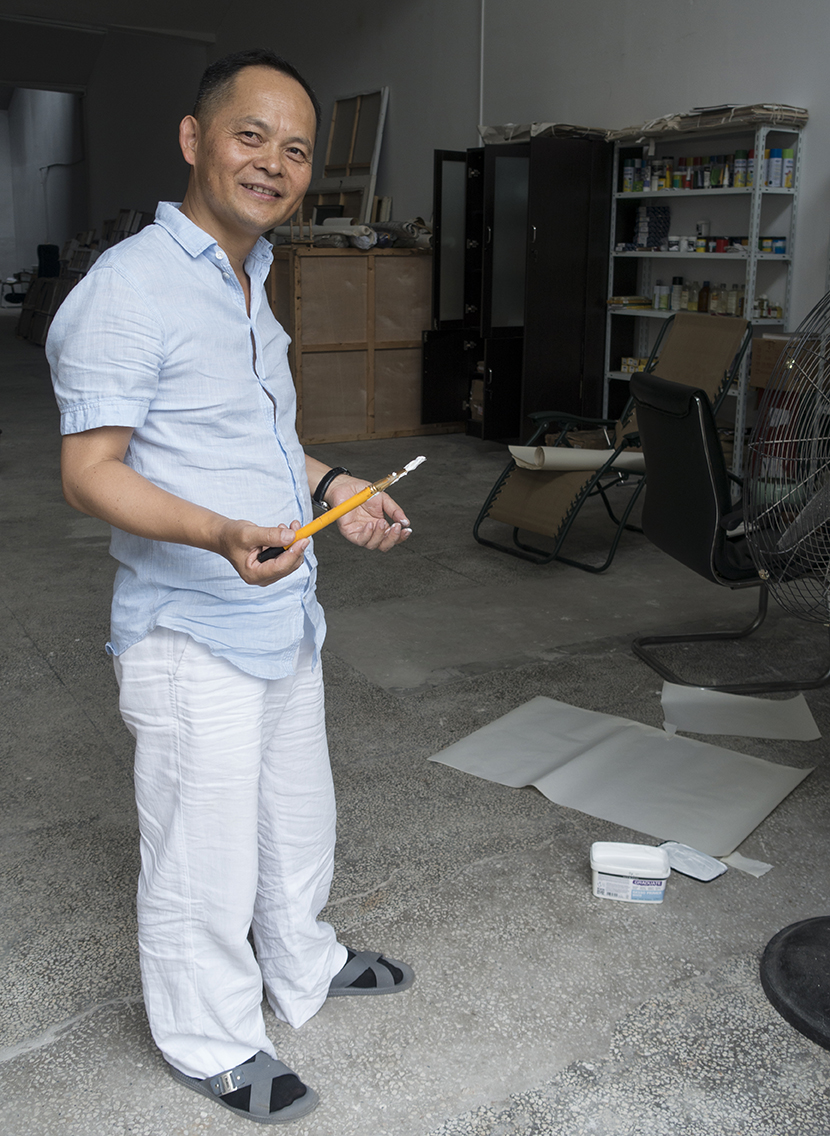
The whole thing is so cheesy that I was delighted to find a real artist at work in his studio a few doors down from the loft. We had no words to exchange but I hope he perceived how happy I was to have found him, and I hope that he is still there for many more years to come.

Release date 15th May.
Home Life Around the World is available for pre-order in iBooks store, Kobo and Google Play. ISBN 978-91-984455-1-0
The book is also available for pre-order in the Kindle format. ASIN: B079VDPBVF
Print edition ISBN 978-91-984455-0-3

Copyright and photo: Anita Martinez Beijer
The Muralist’s Home

Paulina Parlange Pizarro is French/Mexican, a biologist by profession and a business owner in textiles. Her company works with indigenous women in Mexico and supports them in designing, marketing and exporting their creations, according to fair trade rules. She has lived in Mexico City all her life, but has travelled around Mexico since she was very young, and believes that her interest in textiles and in theproduction of artwork for utilitarian uses started at an early age through these travels.

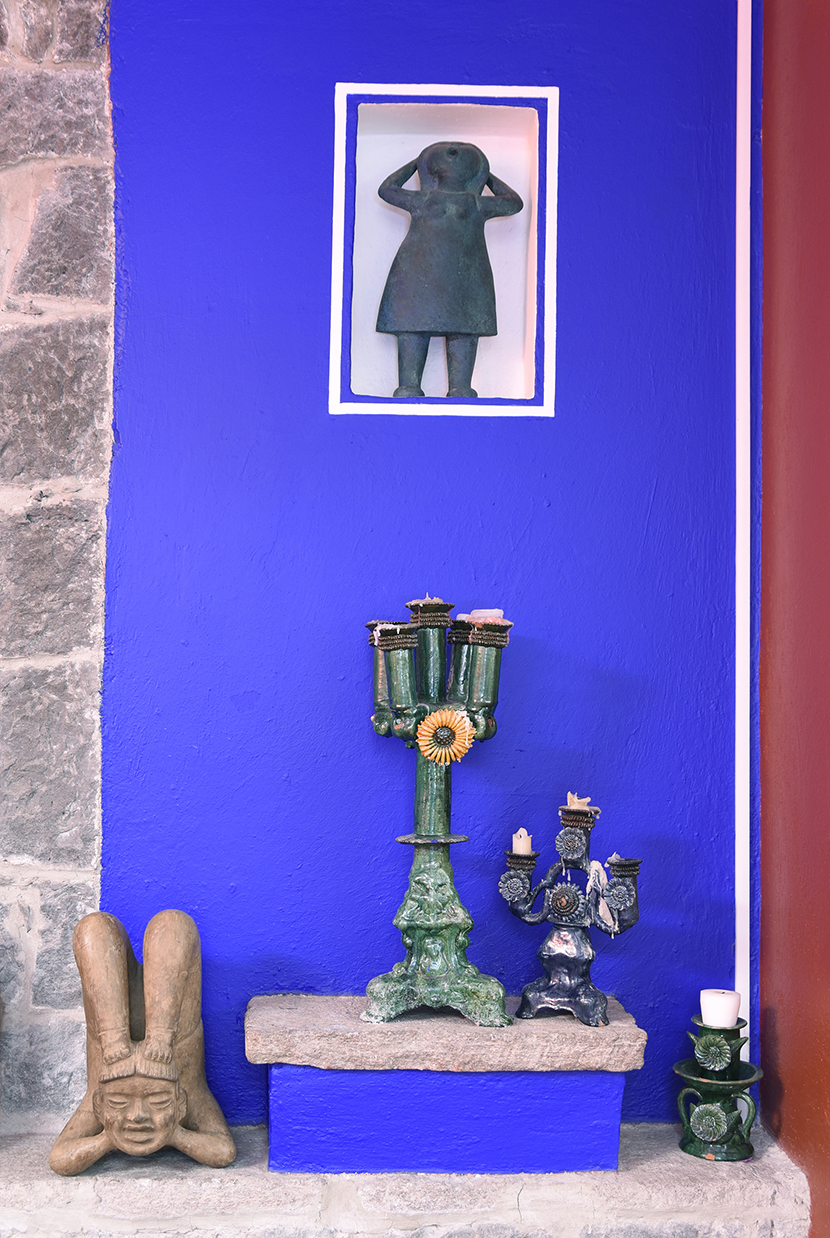
Paulina lives in the former home of Juan O’Gorman, the Irish/Mexican artist and architect, famous for his murals and mosaics. His most well known work is the UNAM University Library of Mexico City, and the Bank of Mexico. The façade of the Library is covered in mosaics of natural stones with motifs of the Mexican people’s history. Very different are the houses he designed for his friends, Diego Rivera and Frida Kahlo, just two streets away. These buildings, from 1933, are in a functionalist style people called brutalist-functionalism at the time. They were the very first of their kind in the city and were very controversial. He had first designed and built this very house in the same functionalist style, originally for his father but it was later to become his own home.

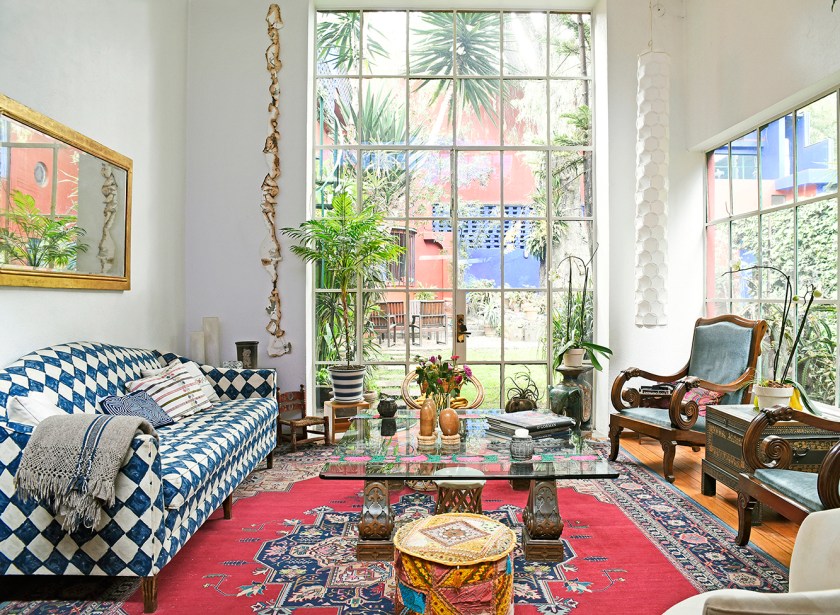
The living room has a ceiling height of nearly six metres. It has a stunning floor-to-ceiling window that takes in the greenery of the garden and the adjoining blocks of blood red and cobalt blue on the different parts of the buildings that make up the house. This large room was built on the existing house and where Juan O’Gorman had his studio. And it’s here that Paulina spends the most of her time.

Our conversation takes an unexpected turn when she points out of the window and tells me: “He hanged himself out there in that tree!” It turned out that O’Gorman committed suicide in 1982 at the age of 76, with great drama as he hanged, shot and poisoned himself at the same time.

More amazing still, it turns out that Juan O’Gorman’s spirit is still present in this home. The old gardener was the one who told her this and that he still had conversations with him frequently. And it happens from time to time that people who visit her claim to have seen or perceived him. A friend, a female doctor who was visiting, asked her when she was coming back from visiting the bathroom: “Is that your grandfather?” “Who?” Paulina wondered. “The old man that’s in the studio,” she replied. “My friend became frightened after this, because it was the second time in her life that she had seen a deceased person,” Paulina says.

This is an excerpt from the book Home Life Around the World and is one of the unique and personal homes I visited.

Release date 15th May.
Home Life Around the World is available for pre-order in iBooks store, Kobo and Google Play. ISBN 978-91-984455-1-0
The book is also available for pre-order in the Kindle format. ASIN: B079VDPBVF
Print edition ISBN 978-91-984455-0-3

Copyright and photo: Anita Martinez Beijer

Consciously minimal

Emily Johnston, an artist and photographer has her home in East Village, Manhattan. Her apartment is stylishly furnished throughout in muted shades and has a calm and harmonious ambience.

“What I really liked about this apartment when I saw it for the first time, was that it had a space I could use as an office, and that the living room had doors and is separate. As I work from home it’s really important to find ways to make a separation between work and relaxation. I determined that the living room was a place I wouldn’t work in, but would be where I could relax, read and think. I like the layout of this place too. You can be in the kitchen and another person can be in the living room and you feel like you are in a completely different space, which is a nice feature for such a small apartment.”

She has been living in her 450 square feet* apartment for about four years. Before discovering this apartment she visited nearly a hundred other ones, finding most of them dark and depressing. This one was light and airy with windows in every room. “With daylight in all the rooms I feel the passing of time and the qualities that brings,” she clarifies.

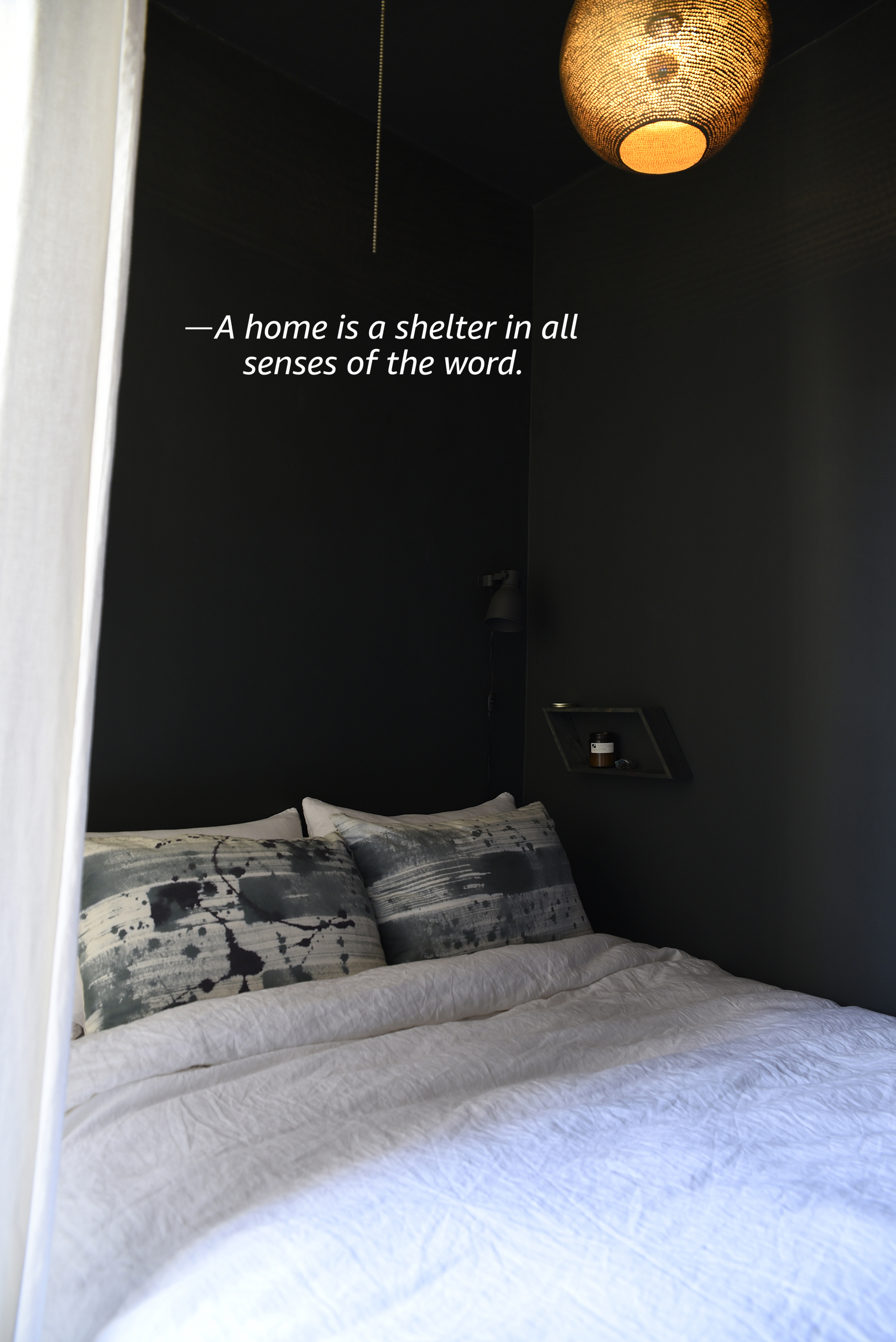
The bedroom is in a tiny alcove tucked away in the passage between the kitchen and office space. There is a large window here too but the ceiling-to-floor drapes in front of the bed makes this space very private. The dark grey walls enhance the cosy feeling. “There isn’t a wasted space of a separate bedroom which is another thing I really like here,” she says.

“Where did you get your inspiration from when you created this home?”
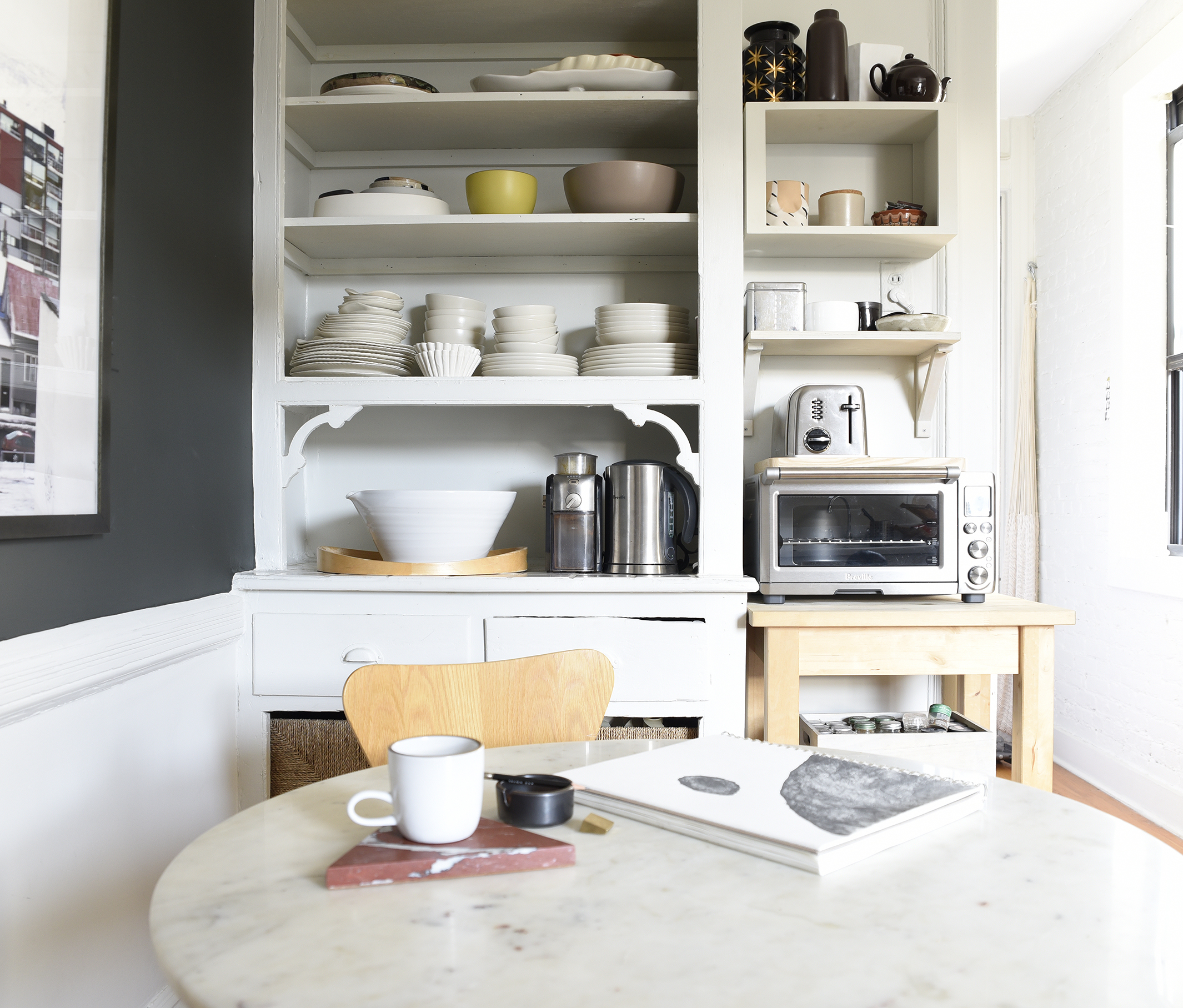
“From things I see everywhere. In looking at lots of different homes, artist studios, and magazines. Generally looking at the way people conceive their spaces. And then mix different impressions and not apply one specific style. Asking myself, what makes sense for me? I like cooking, so I like the open shelving in the kitchen because the way I like to cook is like having a palette. I see what I have and can compose my meals with what I see on the shelves.”

“Do you think that your home reflects who you are?”
“My work is shifting and I’m eager to rearrange my home too, but
I’m not ready to do that yet. So yes, I think my home reflects tremendously who I am. So much so that the fact that I’m changing makes me want to change it. It’s obviously a very strong reflection of who I am and who I have been.”

”What is the best advice you can give people in terms of making a home for themselves?”
“To think first about what you want your home to be for you. I believe most people approach decorating or arranging their home by trying to make it aesthetically perfect, following a code or a style…”

This is an excerpt from the book Home Life Around the World and is one of the unique and personal homes I visited.

Release date 15th May.
Home Life Around the World is available for pre-order in iBooks store, Kobo and Google Play. ISBN 978-91-984455-1-0
The book is also available for pre-order in the Kindle format. ASIN: B079VDPBVF
Print edition ISBN 978-91-984455-0-3

Copyright and photo: Anita Martinez Beijer

An Accommodating Home

“I’m passionate about my family,” Doreen tells me. “We are very lucky in that we really like each other and have something to say to one another. Every single member of the family has something to offer in the creative field. It may be different but it’s always interesting”.

Doreen and her family live in an old, historic house, a former rectory in a leafy, quiet part of Gardens. That is, she shares it with Meyer her huband, their youngest daughter Olivia, who is still at university, and Jinja the dog. Their son Uno lives in Johannesburg, and another daughter, Jade, has recently moved out, but still lives in Cape Town. There is no doubt that this is a very tight-knit family, and a very creative and talented family too.

It’s a beautiful, large house standing in a lush garden, with the majestic Table Mountain as a stunning backdrop. From the front door, a long, narrow corridor runs down the middle, with many rooms leading off it. A vast kitchen, a dining room, a couple of living rooms, an office space, and a master bedroom that has a grand en suite bathroom, with glass doors opening out onto a private courtyard. Add to this a second floor with several bedrooms. A porch, a terrace with a pergola, a basement and a number of outbuildings that have been remodelled as cottages complete the property. There is a vegetable garden in the yard outside the kitchen and at the back of the house there is a garden with a swimming pool.

This has been their home for 20 years. When they first saw the house it was the possibilities and the opportunities that it offered that made them fall for it. One thing that strikes me is that this is the first house I have visited here that doesn’t have bars in front of the windows. Instead, it has wooden shutters that are closed at night. Security is important in Cape Town, but Doreen doesn’t want to live behind bars.

“What is the most important feature in your home?” I ask her.
“The fact that it’s wonderful when I’m alone, wonderful when just the family is here and wonderful when there are a hundred guests milling around. The fact that it opens and closes. I never feel lonely here. And I never feel crowded either. It really is a most accommodating house.
I wonder if that’s the mark of a really good design? Yes, I think that this house is very well designed. There are no tricks about it. There isn’t anything extraordinary or wow about it. It’s just good.”

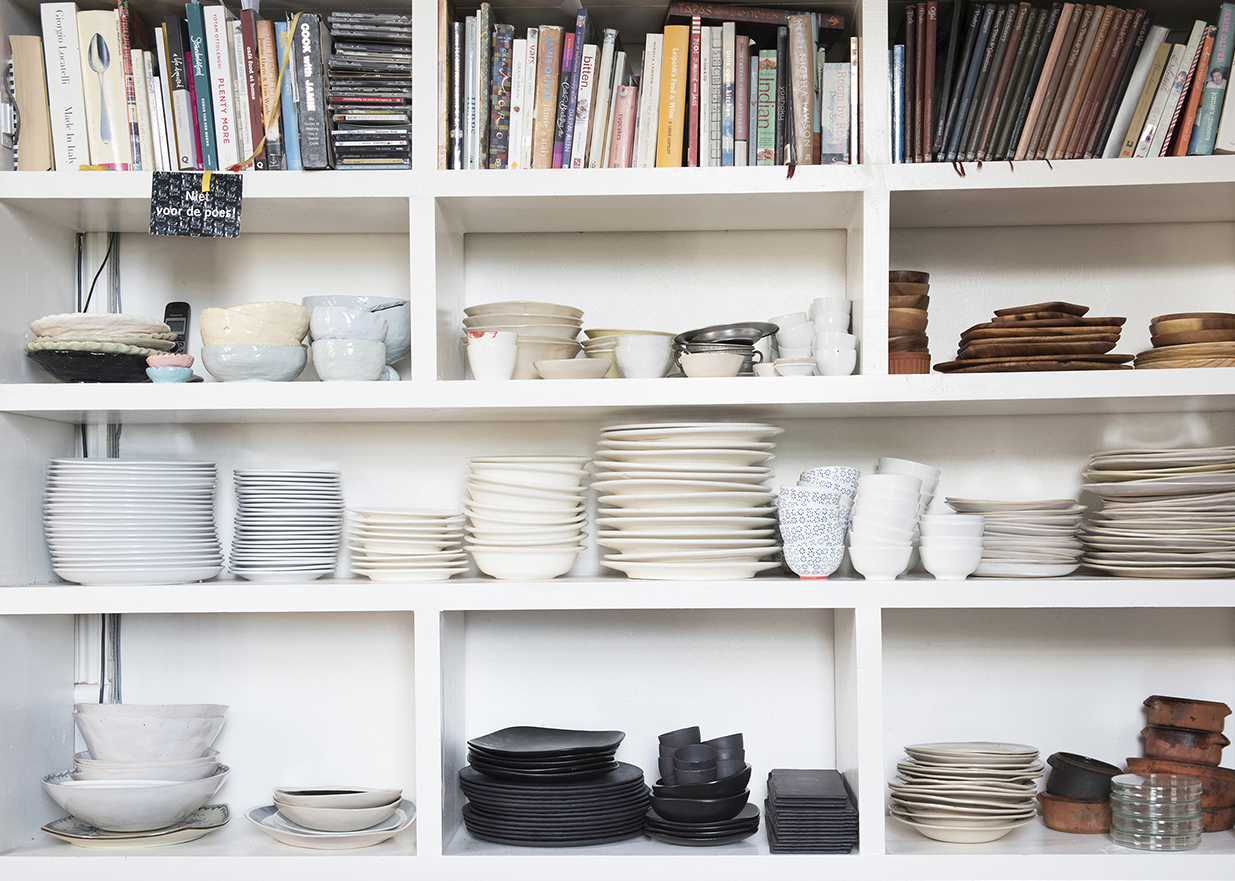
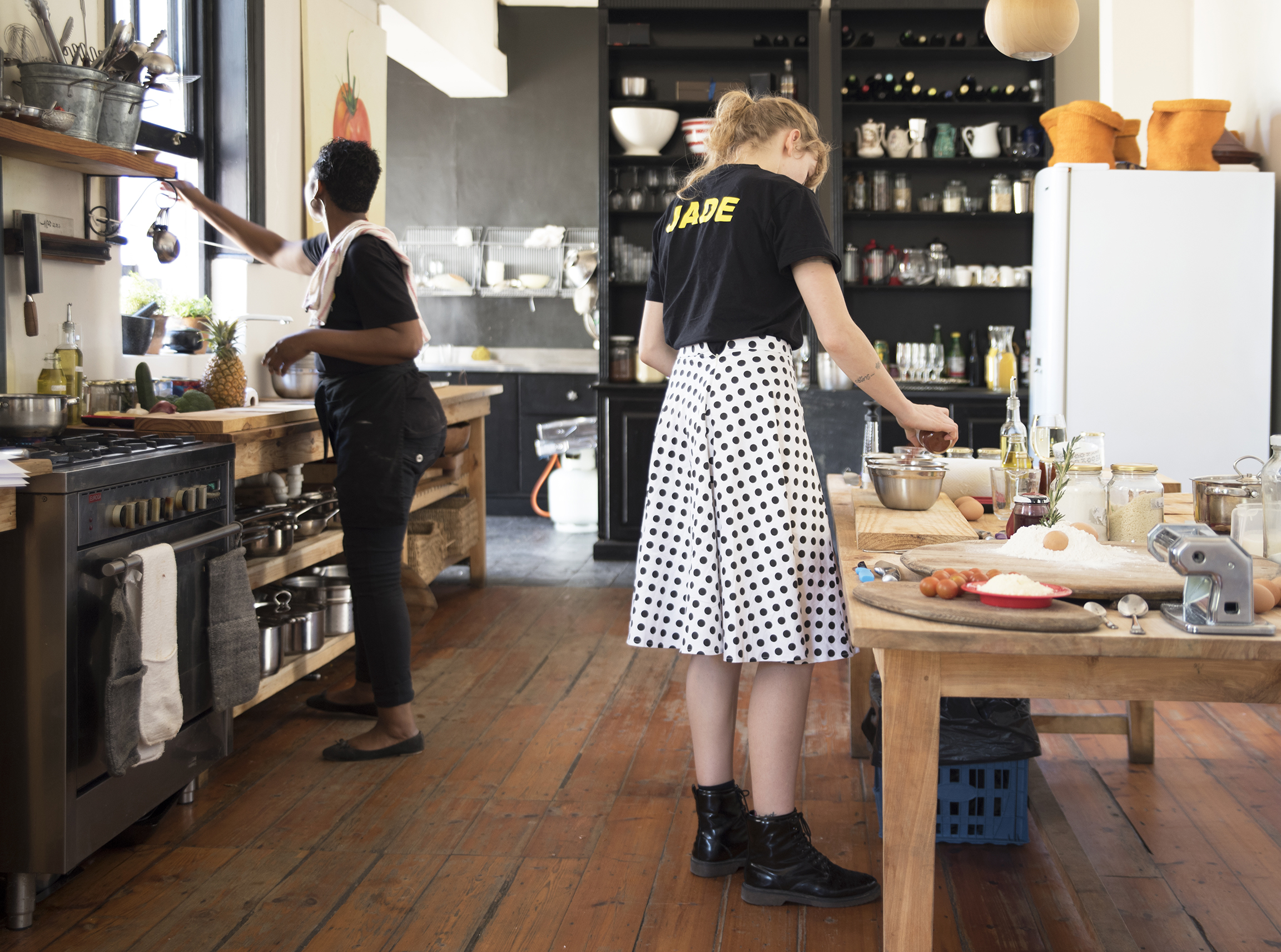
The kitchen plays a central role in this home where cooking and a love of food is obvious. It’s large and has a wonderful, homely ambience. The generous tables both in here and in the adjacent dining room, and the many shelves, laden with plates and cooking utensils, testify to meals cooked and shared with friends in abundance…”

This is an excerpt from the book Home Life Around the World and is one of the unique and personal homes I visited.

Release date 15th May.
Home Life Around the World is available for pre-order in iBooks store, Kobo and Google Play. ISBN 978-91-984455-1-0
The book is also available for pre-order in the Kindle format. ASIN: B079VDPBVF
Print edition ISBN 978-91-984455-0-3

Copyright and photo: Anita Martinez Beijer

Enter for a chance to win Home Life Around the World!
Enter for a chance to win a Kindle Edition of Home Life Around the World at Goodreads!

Home Life Around the World is about the relationship we have with that most private and intimate space – our home.
If you are interested in interior design and home decor, if you want to be inspired by authentic homes, personal stories and if you, like one reviewer says, love to have a nosey into the lives of others, then this is the book for you!

Click on this link to get to the offer!

https://www.goodreads.com/giveaway/show/277898-home-life-around-the-world

This giveaway offer ends on March 24th and is valid only for US residents.

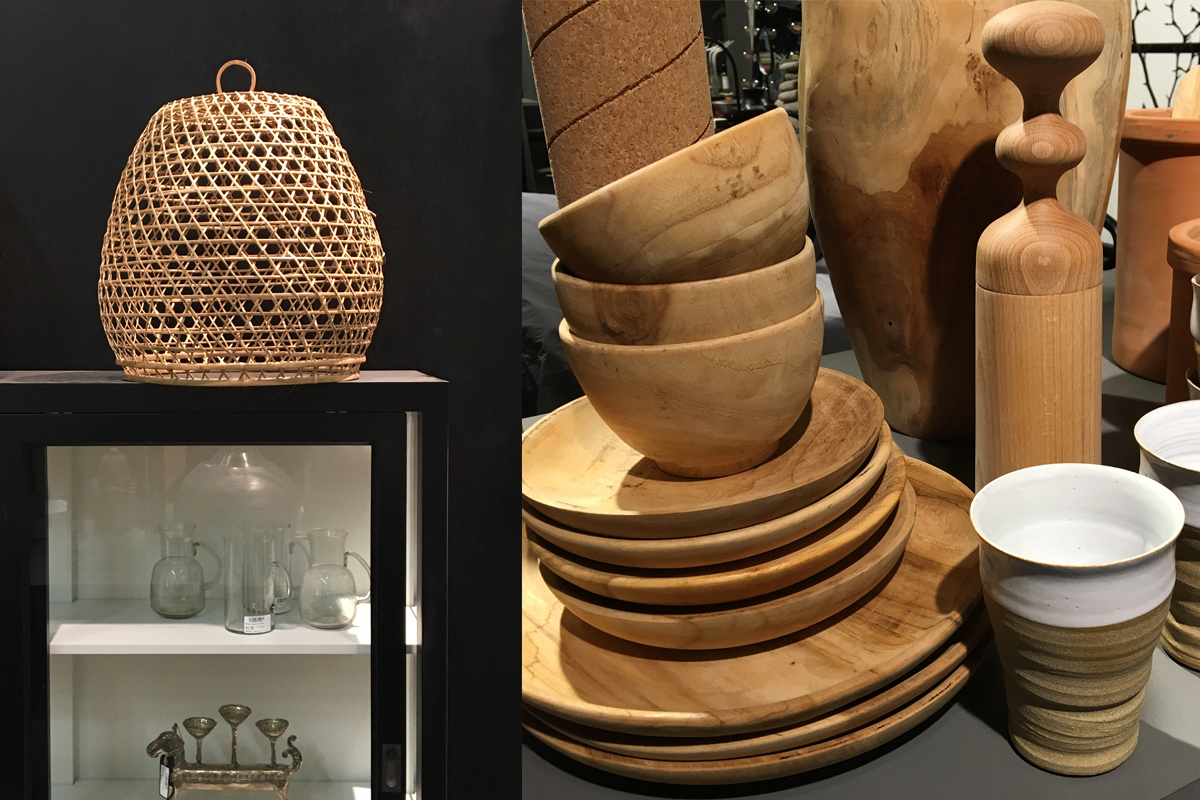
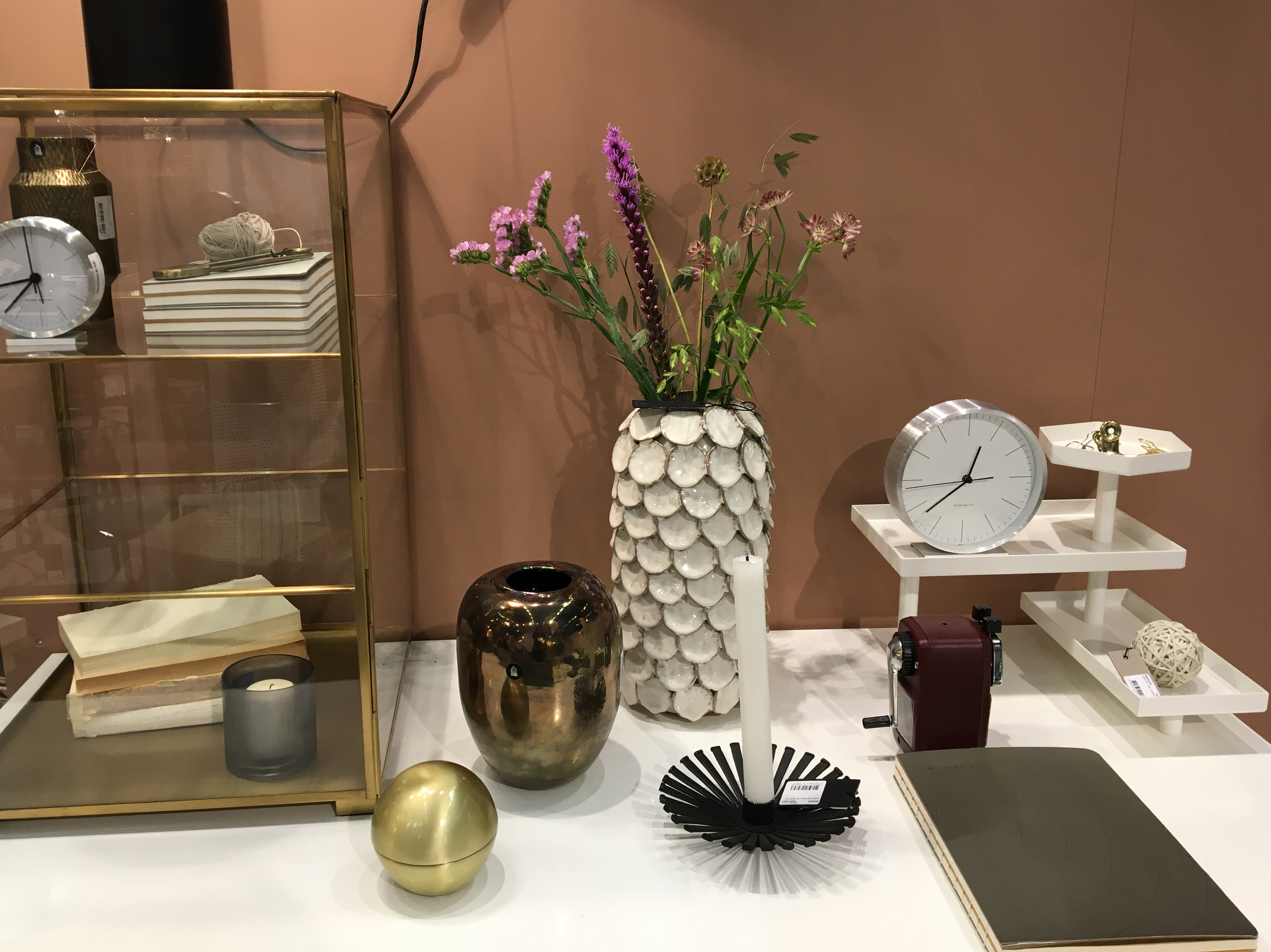
Snapshots from Formex design fair

I visited the 108th edition of Formex spring fair. The theme of this season’s exhibitions was “A World of Shapes“. The designer and exhibition architect Synnöve Mork was in charge of “Layout“, the exhibition at the main entrance. Specially invited to interpret the theme and to put together the actual content were interior design stylist Saša Antić, stylist Tina Hellberg and artist Cilla Ramnek.


I wanted to keep abreast with the latest trends, but what especially drew me to the fair was the opportunity to listen to one of the world’s most famous trend forecasters, Li Edelkoort. I was not disappointed. She held a really inspirational talk about future lifestyles and trends. The essence of the lecture was that an antithesis to the digitised world is emerging, where a strong desire to return to tactile values is prominent. Handicraft and crafts in all shapes and execution are on the horizon, and evidence of this is here already.

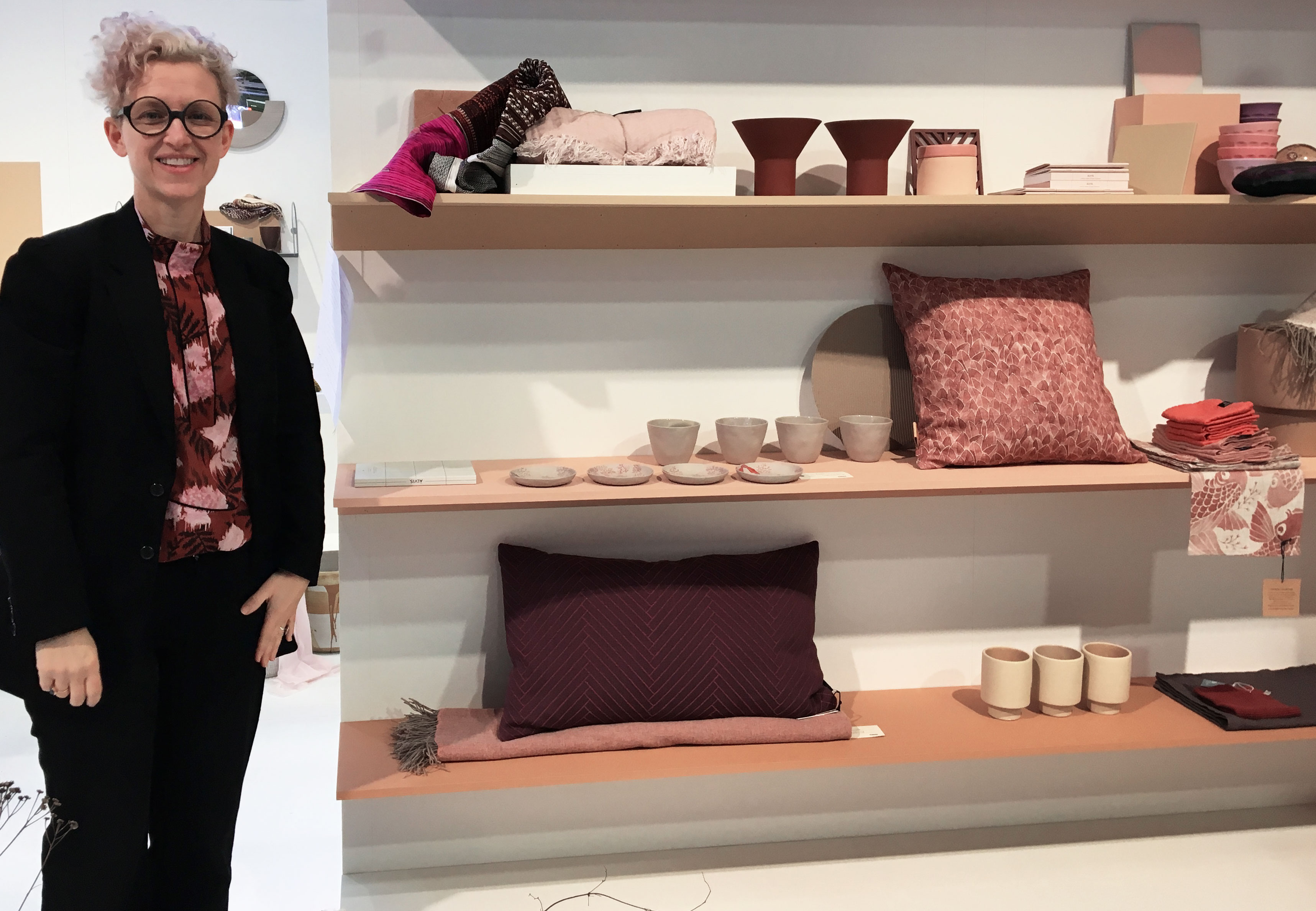
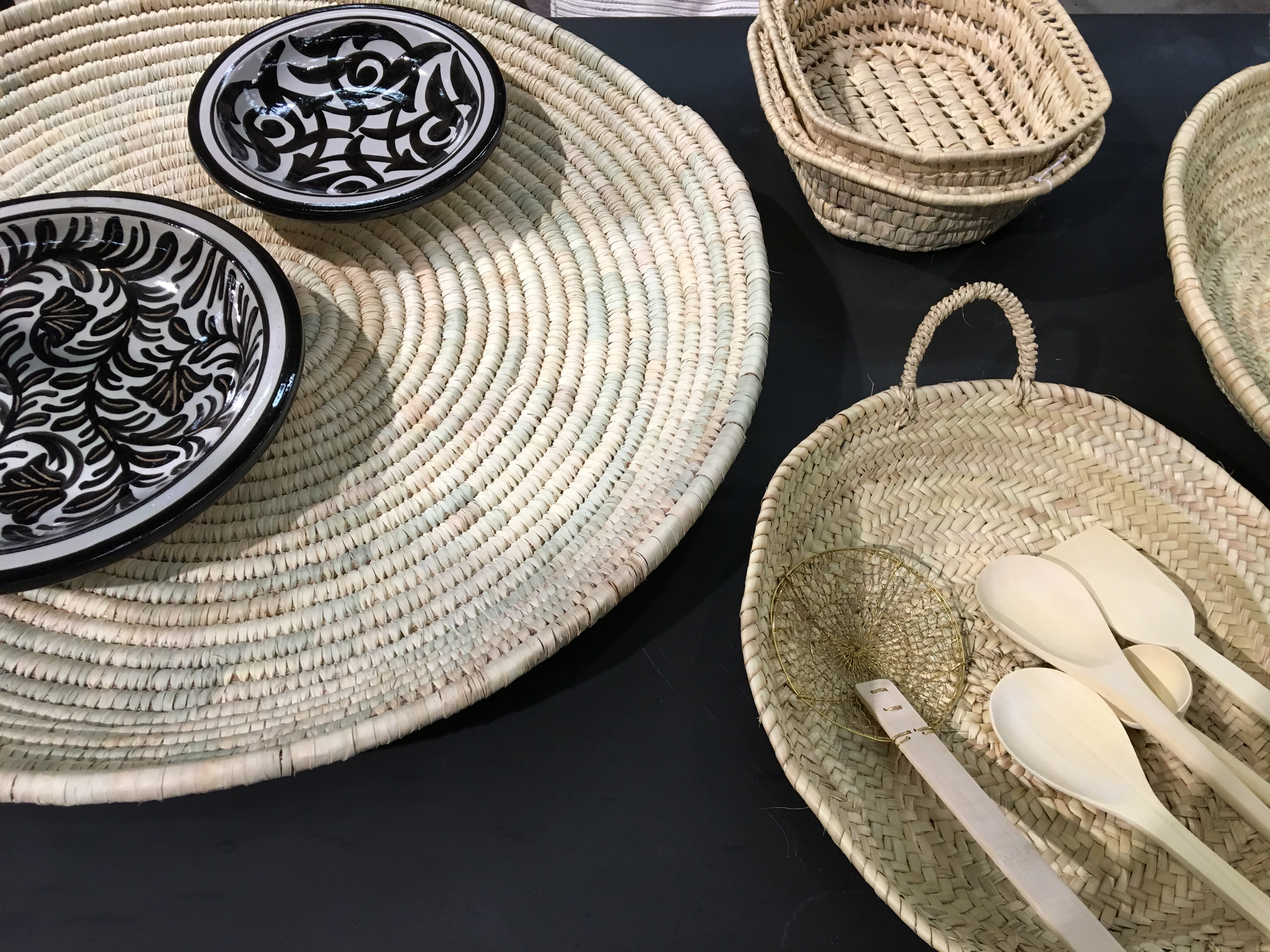
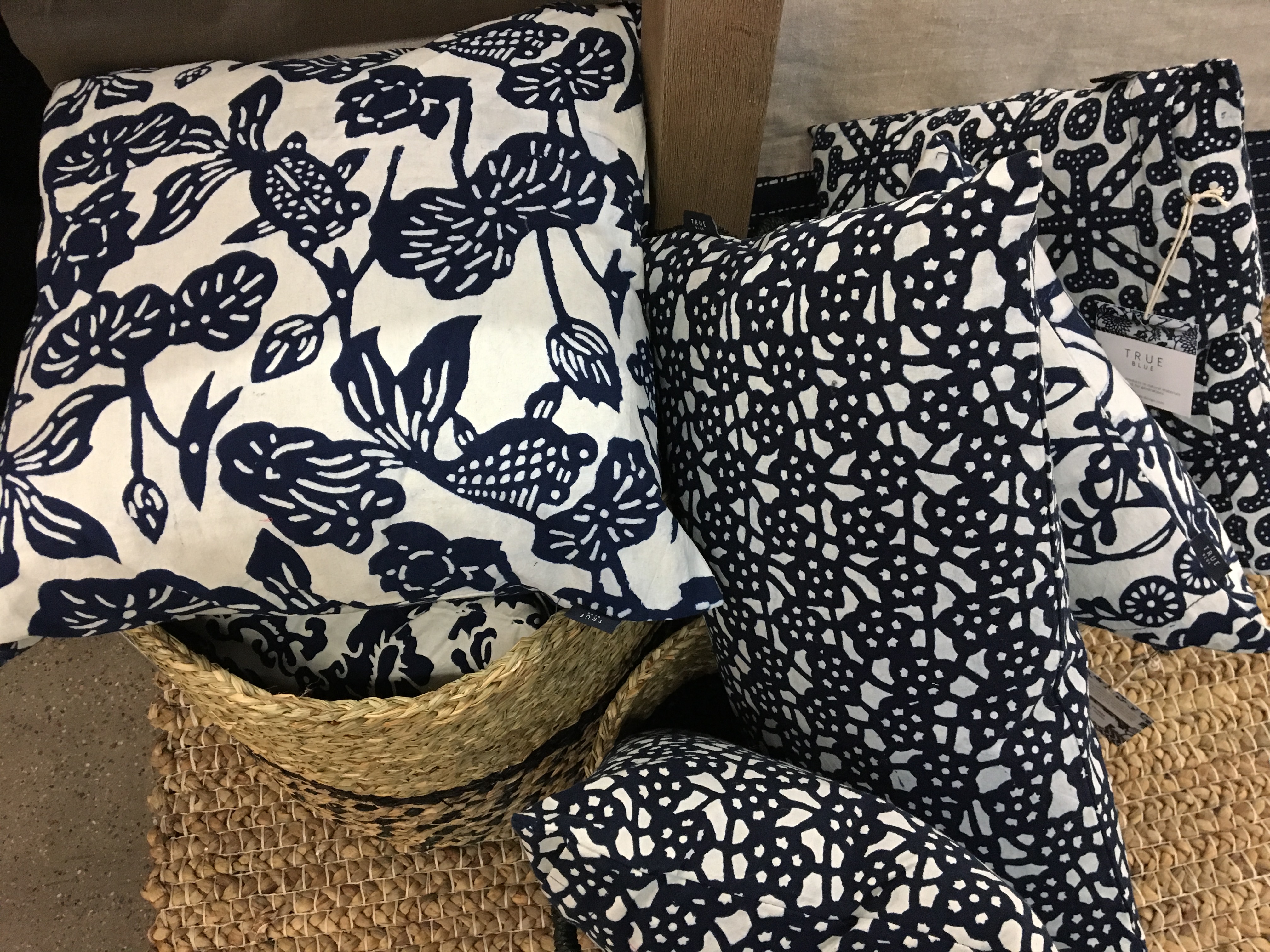
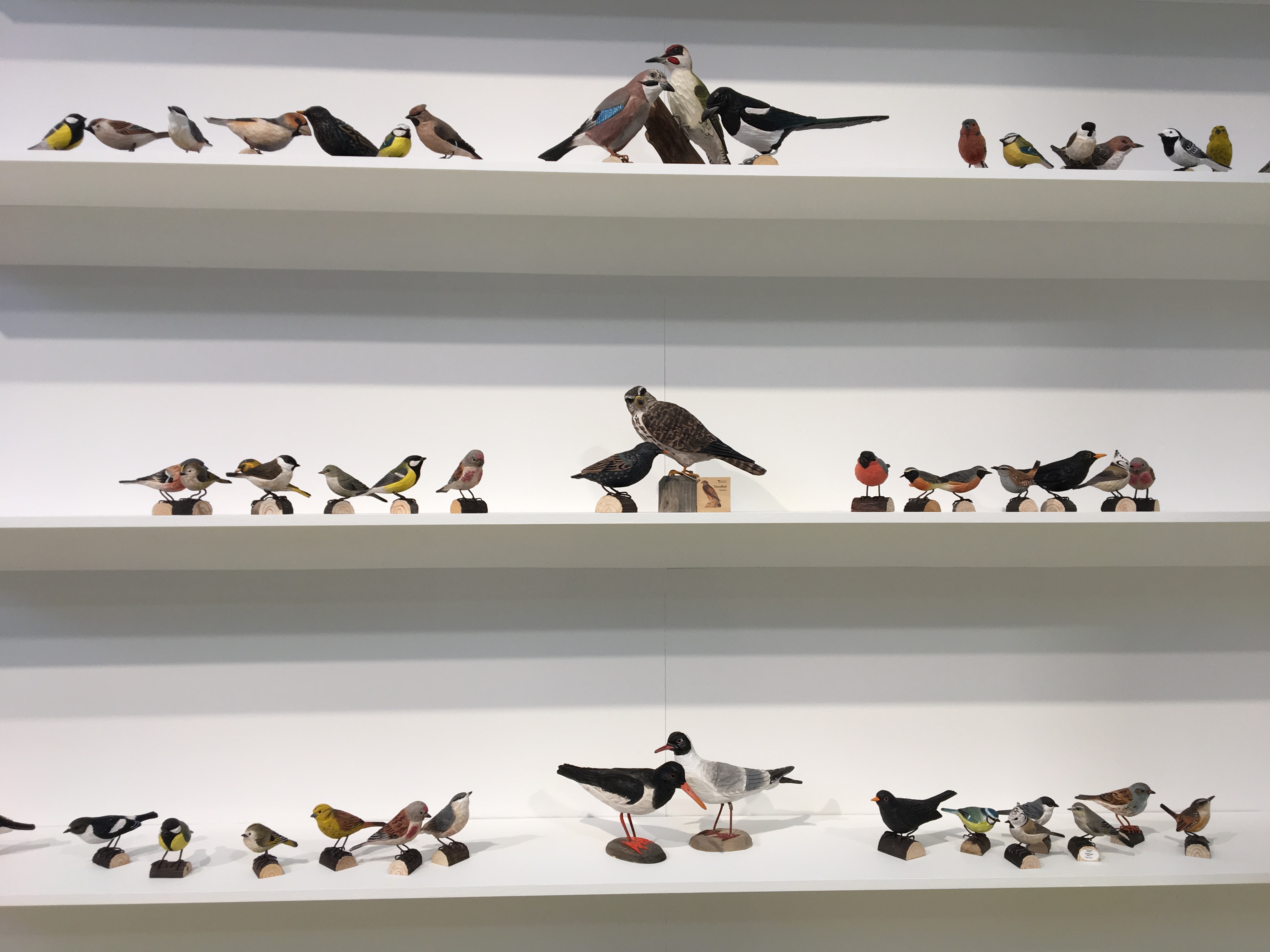
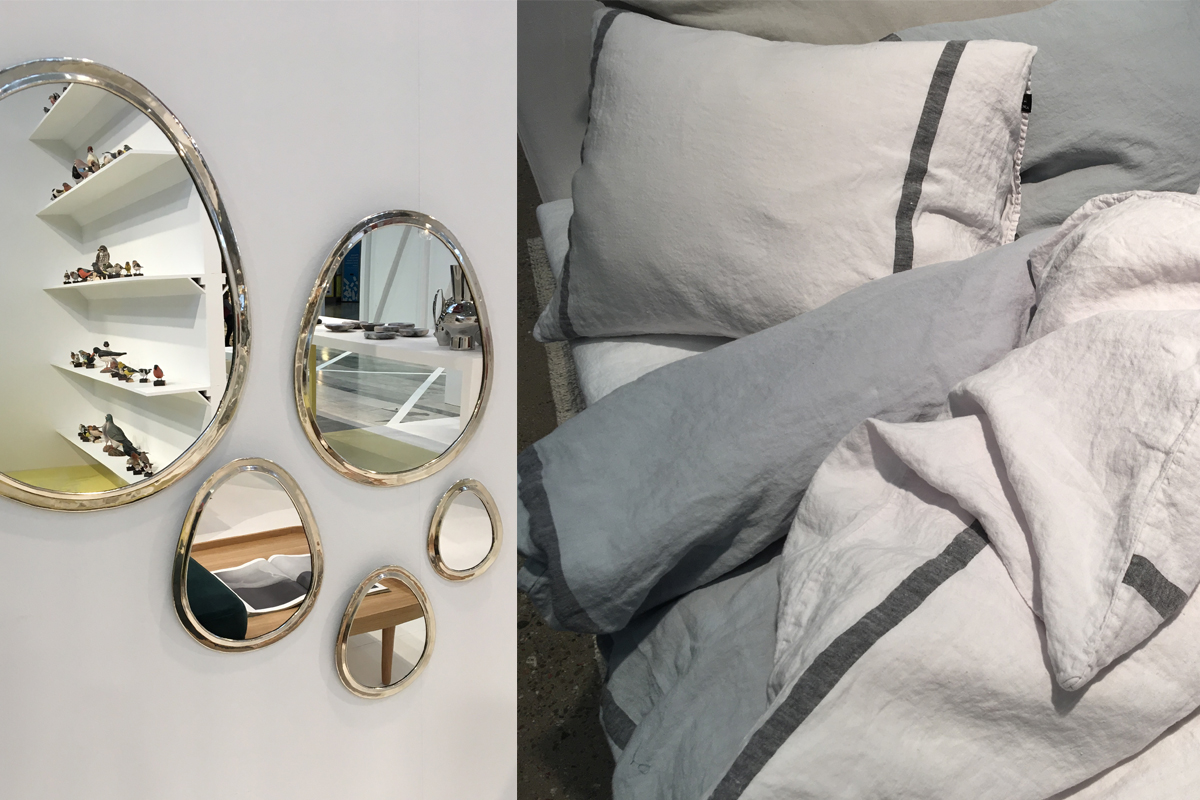
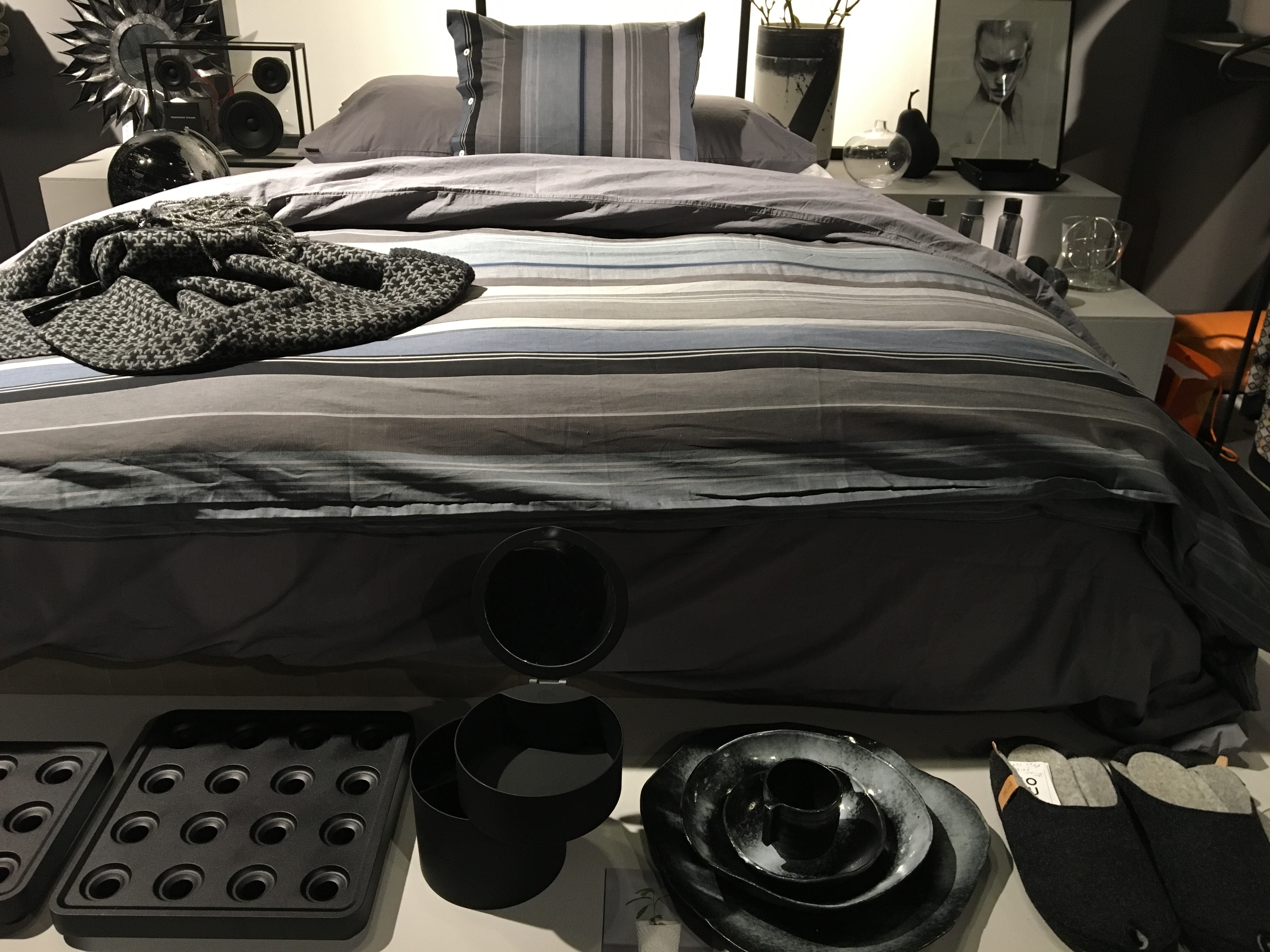
Take a peak at some of the goodies I found at the fair. Coarse textiles, crafts, wooden objects, organic shapes, rattan, metalls, ceramics. Colour trends, textures and shapes that inspired me.

Stylist Tina Hellberg shows her part of “Layout” with handpicked objects in a uniform colour scheme and dressed to match! Love this!

Healing spaces

Erika Krutzfeldt is a graphic designer and interior designer, and she lives in La Condesa, Mexico City. She shares her home with her cat Keiju, a Finnish name that means fairy. ‘Feel free to do whatever you want, but with moderation’ is advice that was passed on to her by her father and has now become a motto she tries to live by.

Born in Mexico, Erika spent ten years living in La Paz, Bolivia with her family before returning to Mexico. She studied graphic design at the University of Guadalajara for five years and started working as one after that. Two years ago she went to Barcelona and studied interior design at
a design school for one year.

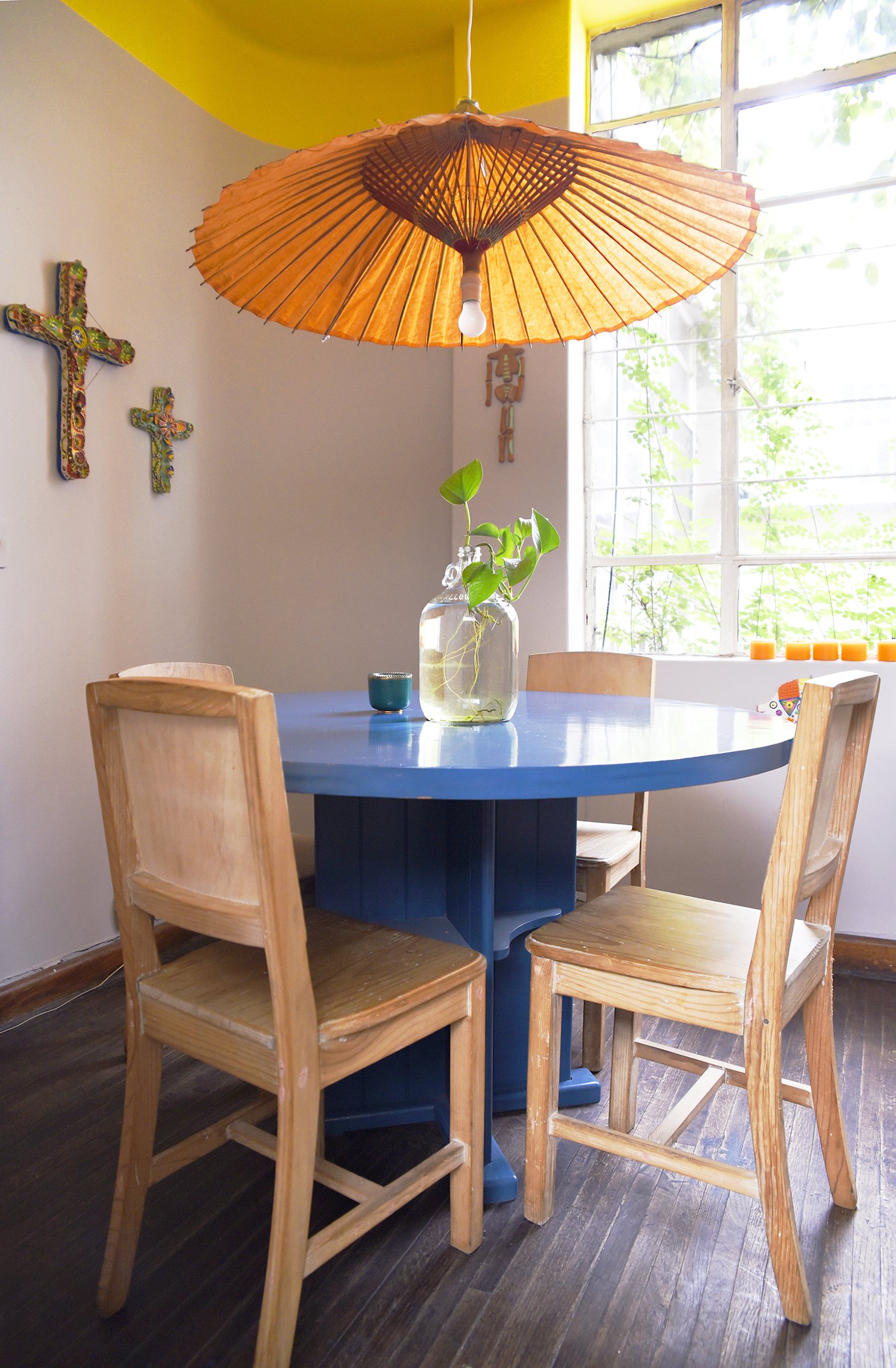
“When I came back I went to an astrologer,” she tells me. “The astrologer was a very old woman who lives here in Mexico City. She told me that I had a gift for healing spaces. That inspired me so much that my next project is going to be using this concept. Healing spaces to me means to create well-being. By freeing up spaces, rearranging objects, regrouping, adding or removing pieces, you can create a whole new way of perceiving a space. A home is a state of the soul.”

Her way of arranging her own furniture and decorating her apartment sets a good example. The furniture is not routinely aligned with the walls. Instead the living room furniture is angled, making the room look both interesting and inviting. A distinct feature is the warm yellow colour on the rear wall that stops abruptly a bit into the adjacent wall. This colour is actually just a continuation of the patio wall on the other side of the large floor-to-ceiling window, and painting the living room wall in the same shade makes these two spaces interconnect.

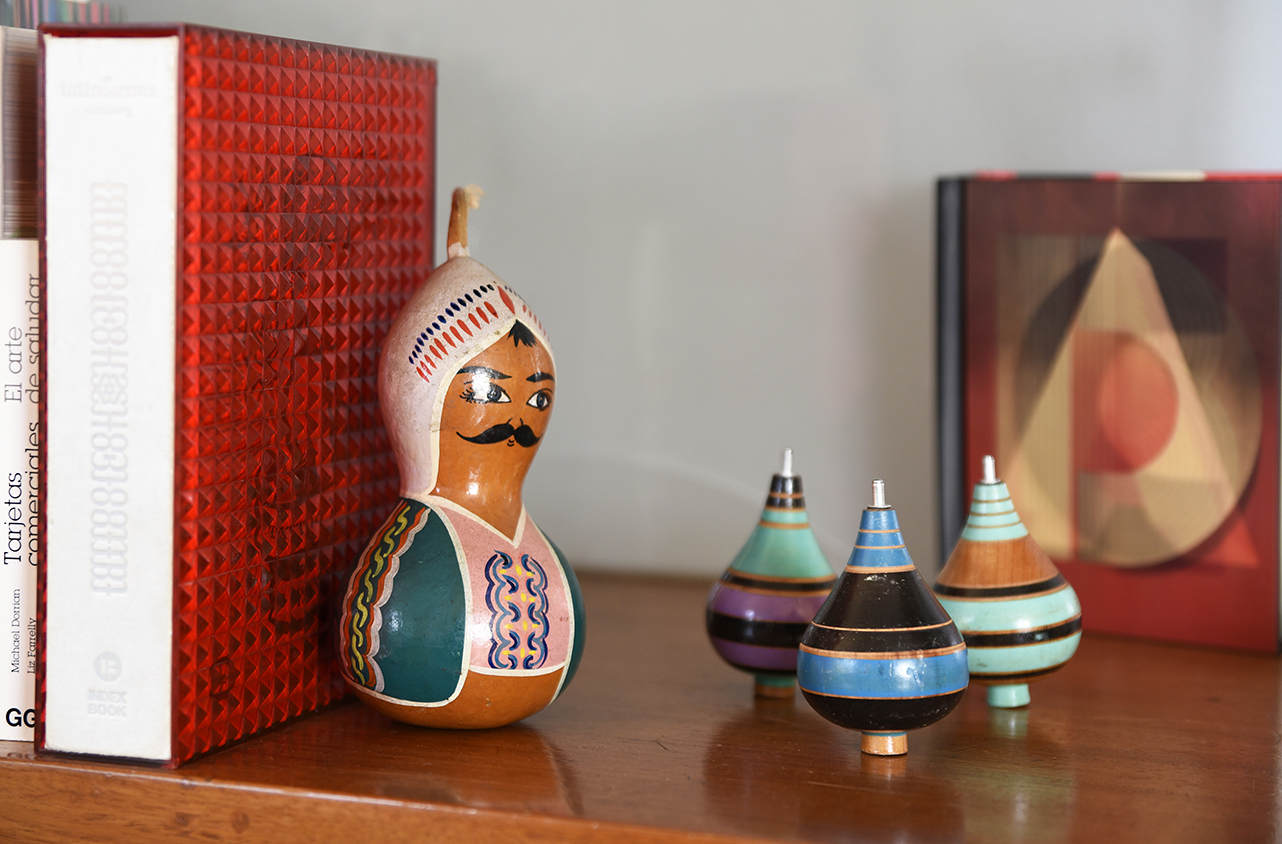
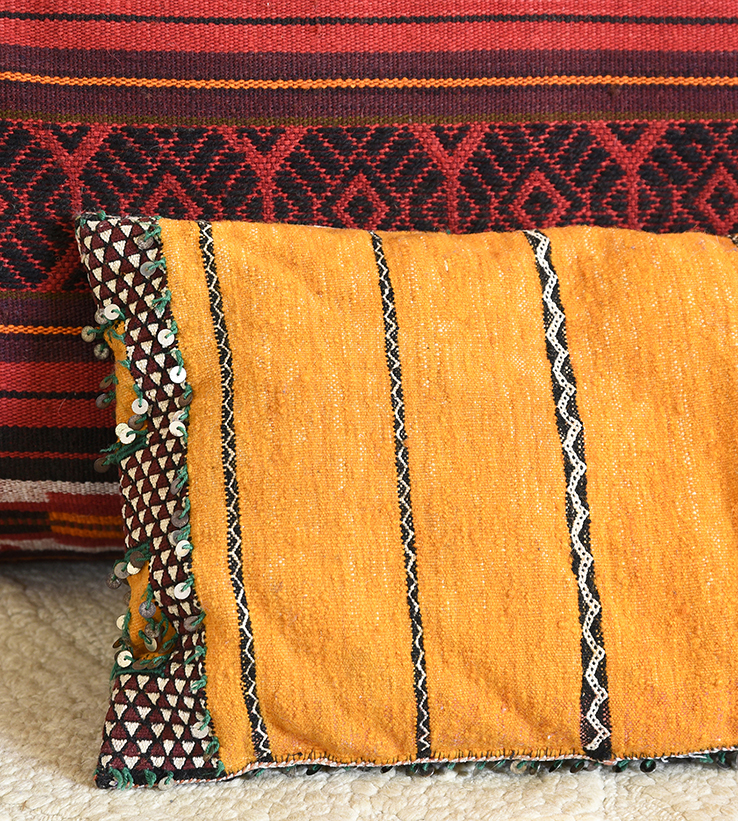
“My style could best be described as colourful and folkloristic, in the sense of crafted things of mixed of origins,” she says. “And I like furniture from the 50s and have quite a few pieces from that era. I like crafts and old things that have a soul. What I don’t like is mass-produced things that have come directly from a factory, but things that have had a previous life and have a story to tell.”

This is an excerpt from the book Home Life Around the World and is one of the unique and personal homes I visited.

Release date 15th May.
Home Life Around the World is available for pre-order in iBooks store, Kobo and Google Play. ISBN 978-91-984455-1-0
The book is also available for pre-order in the Kindle format. ASIN: B079VDPBVF
Print edition ISBN 978-91-984455-0-3

Copyright and photo: Anita Martinez Beijer