Latest Posts

Day 5 Camino to Santiago de Compostela – from Las Herreías to O Cebreiro

I overslept! Gah! Woke up at 6:45am after the best sleep I’ve had in weeks! But of all the days to do this, did it need to happen today when I had a date to walk with others. Well, the good thing is that I probably needed it because I’ve been sleeping very little for far too long. 

Left Las Herrerías at 07:20 and though I was the last pilgrim out, but of course I wasn’t. The climb is steep at first, but wonderful. The forest is refreshing and has a sweet scent of leaves, bark, and soil, and I’m incredibly happy to be in Galicia again! Well, technically I’m still in Castilla y León. The border to Galicia is a bit further on up the mountain, but mentally I’m already there.
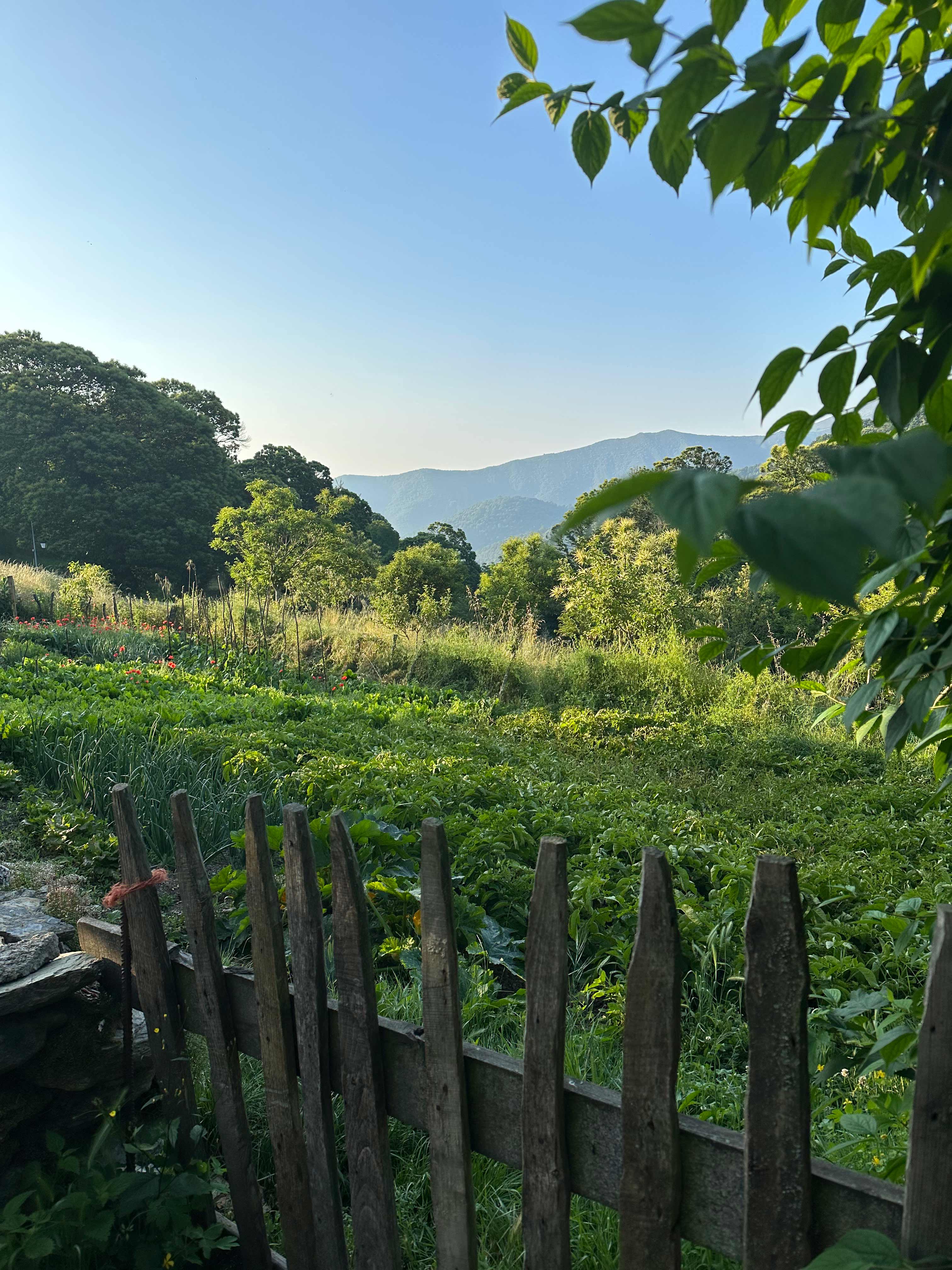
As I have anticipated this climb to be difficult, I’m booked to stay in the village of O Cebreiro at the top of the mountain, so I can take it easy and walk at my own pace. It’s going to be fun to revisit the place where my first Camino started in 2012.
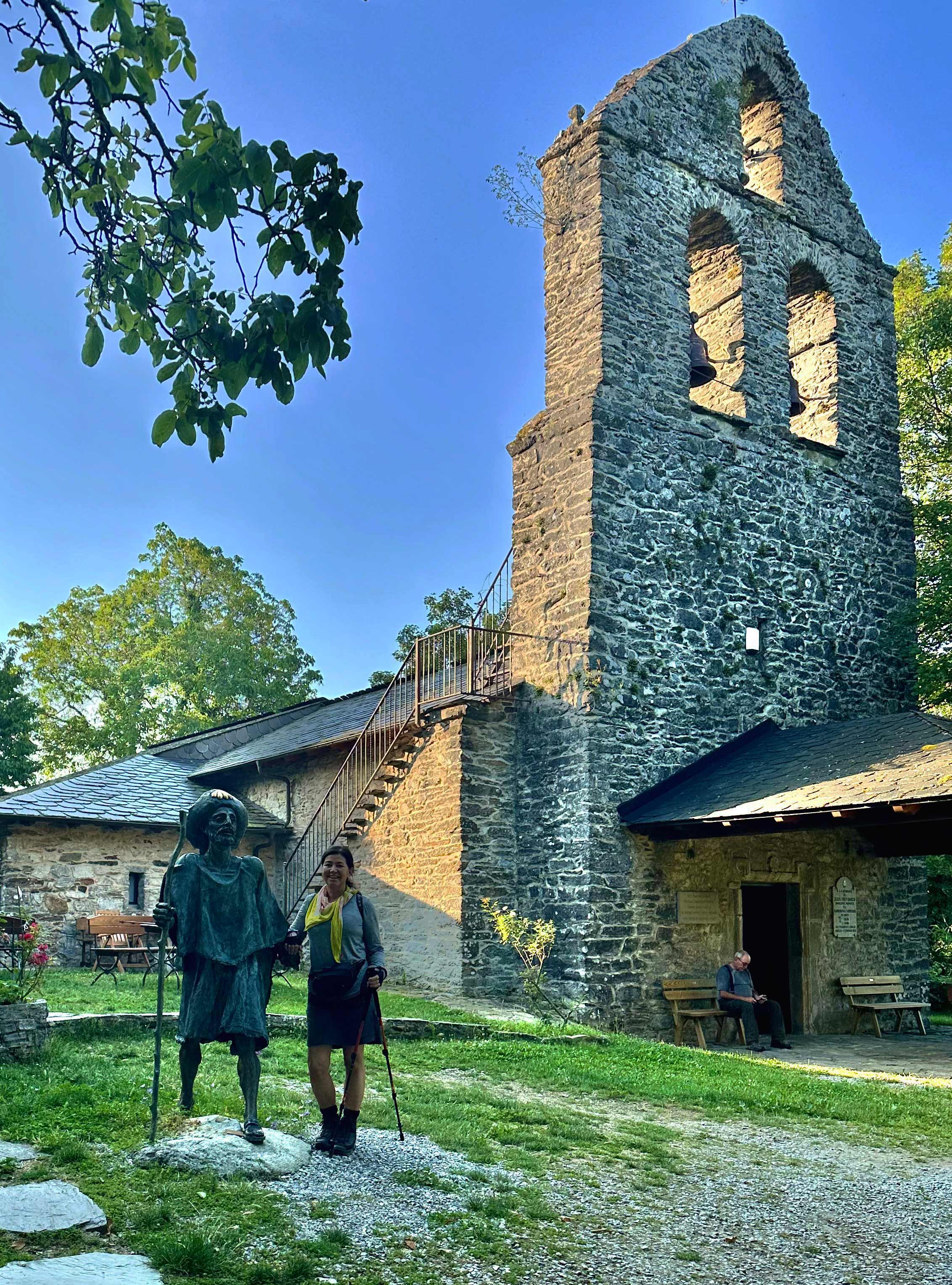
The first stop is in the little hamlet La Faba where I make a short detour and visit the church, Iglesia San André with a statue of a pilgrim. There is a sweet little café in La Faba where I have the best breakfast ever, a grilled toast with avocado and tomatoes, and I sit outside with splendid views back over the Valcarce valley. Here I meet Danish Tine for the first time, as we share a table.
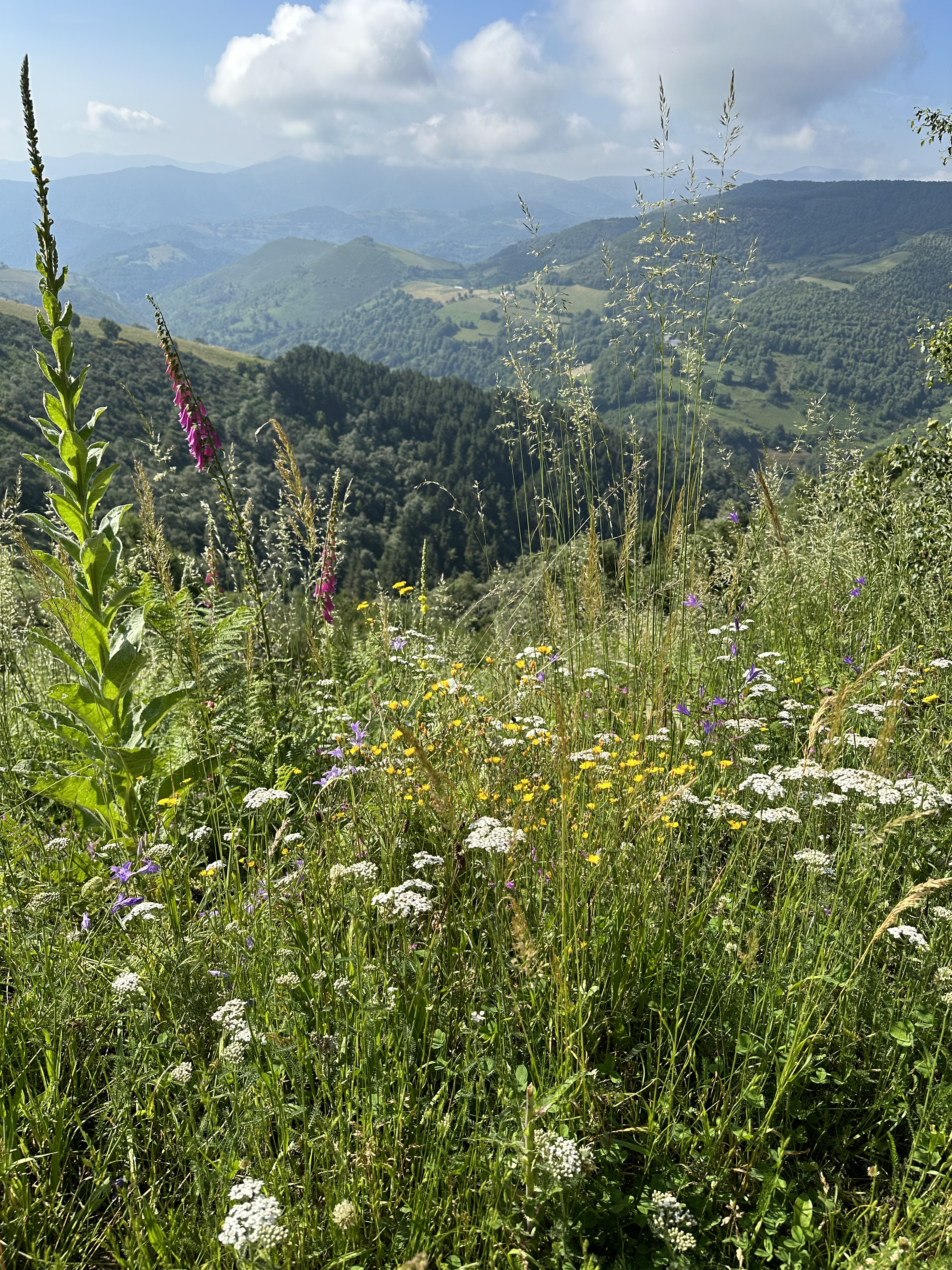
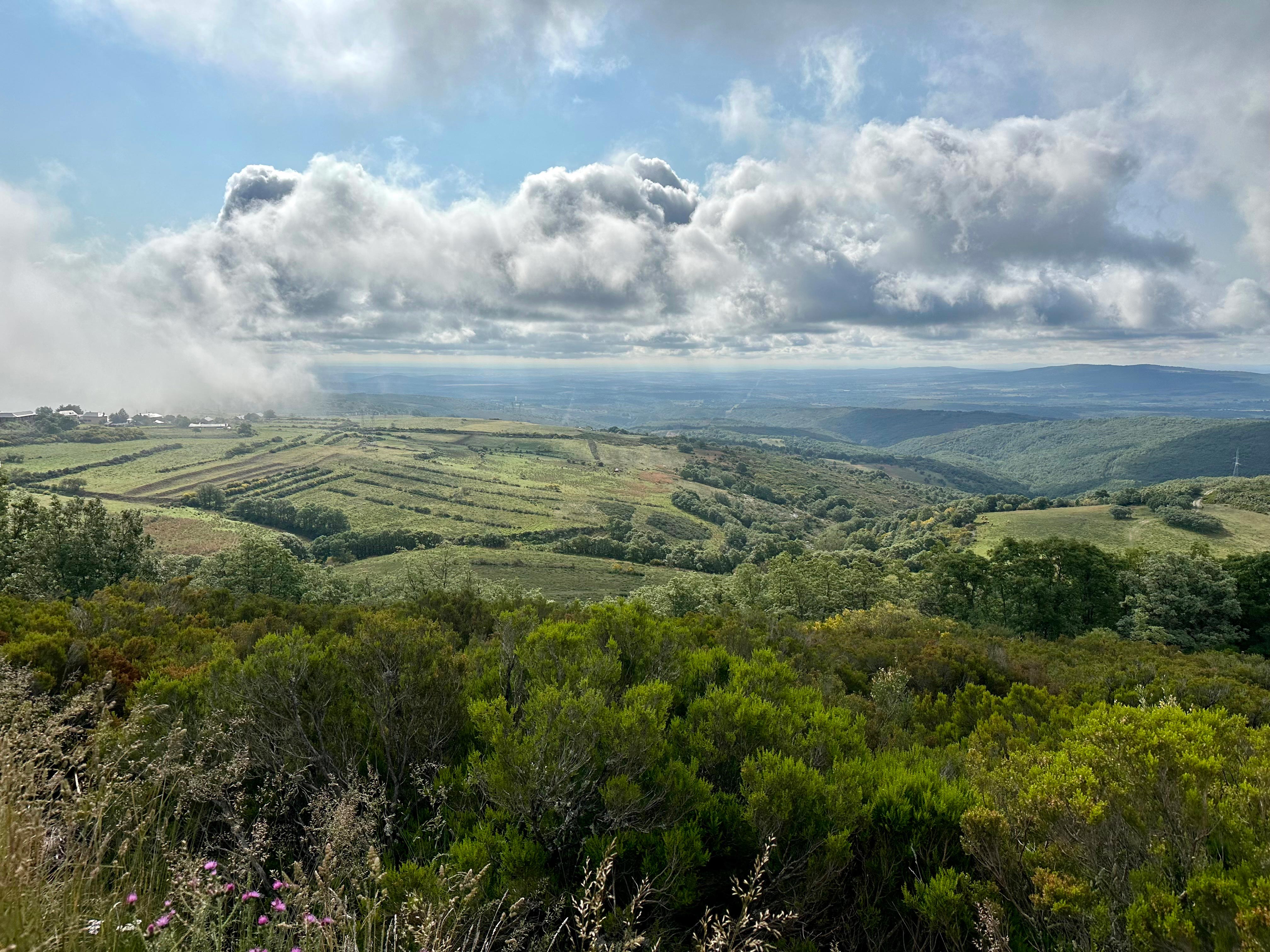
It turns out to be so much easier than I thought, for the climb is an absolute joy, on wonderfully smooth paths and outstanding views throughout! At first the walk is shaded by trees but once out in the open, the air is cool and fresh and there is a light breeze that takes away the heat. I’m savouring every step of the way!

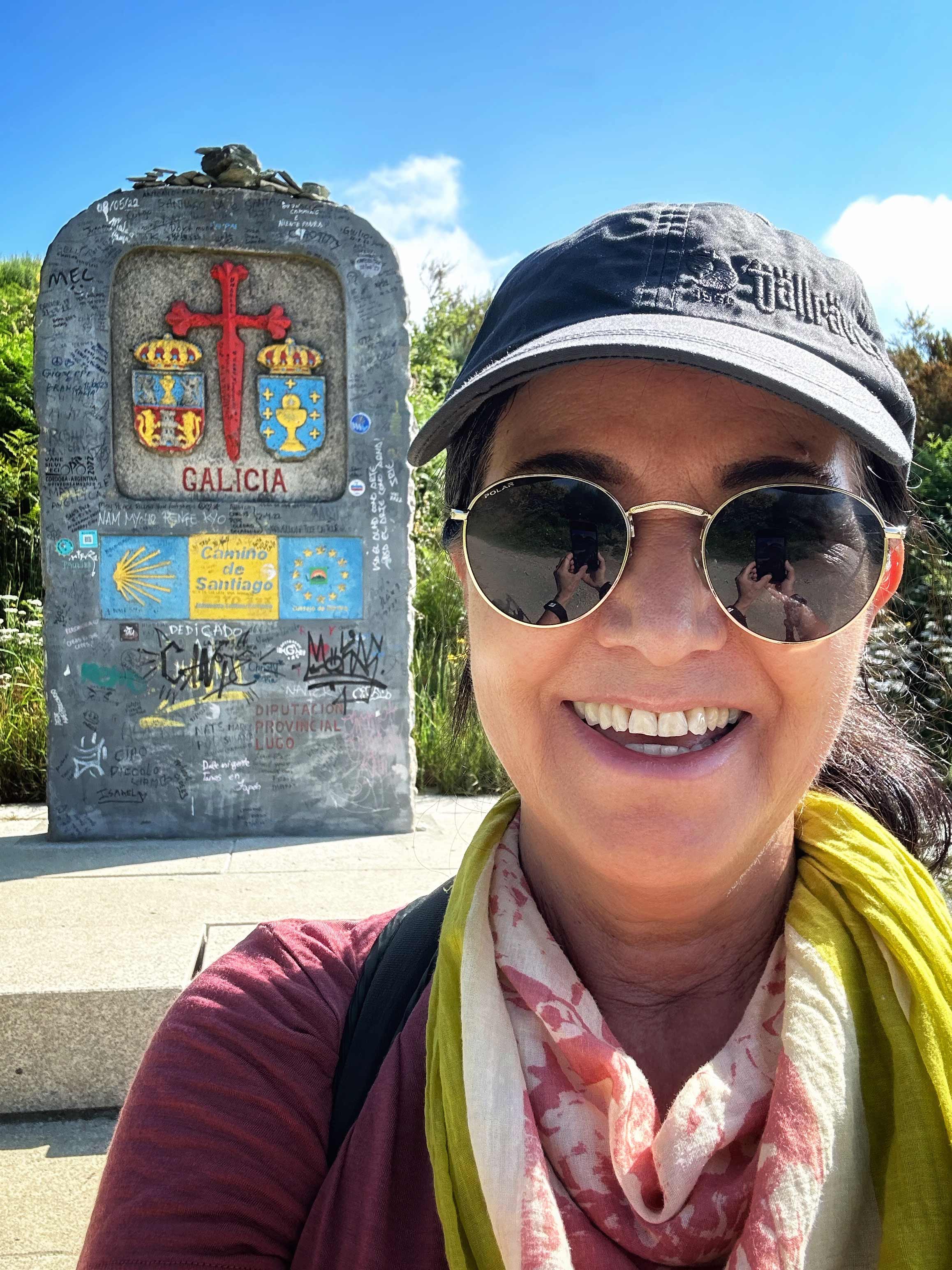
Galicia Frontera marks the border into Galicia. I couldn’t be happier!

Me mentally gliding up the mountain, having the best day ever!

At the next tiny hamlet there is a café/bar next to a farm, I stop and have something to cool to drink and here I meet Suzanne. We click immediately and have a lovely long chat. She has just witnessed a calf being born in the barn beside us. 
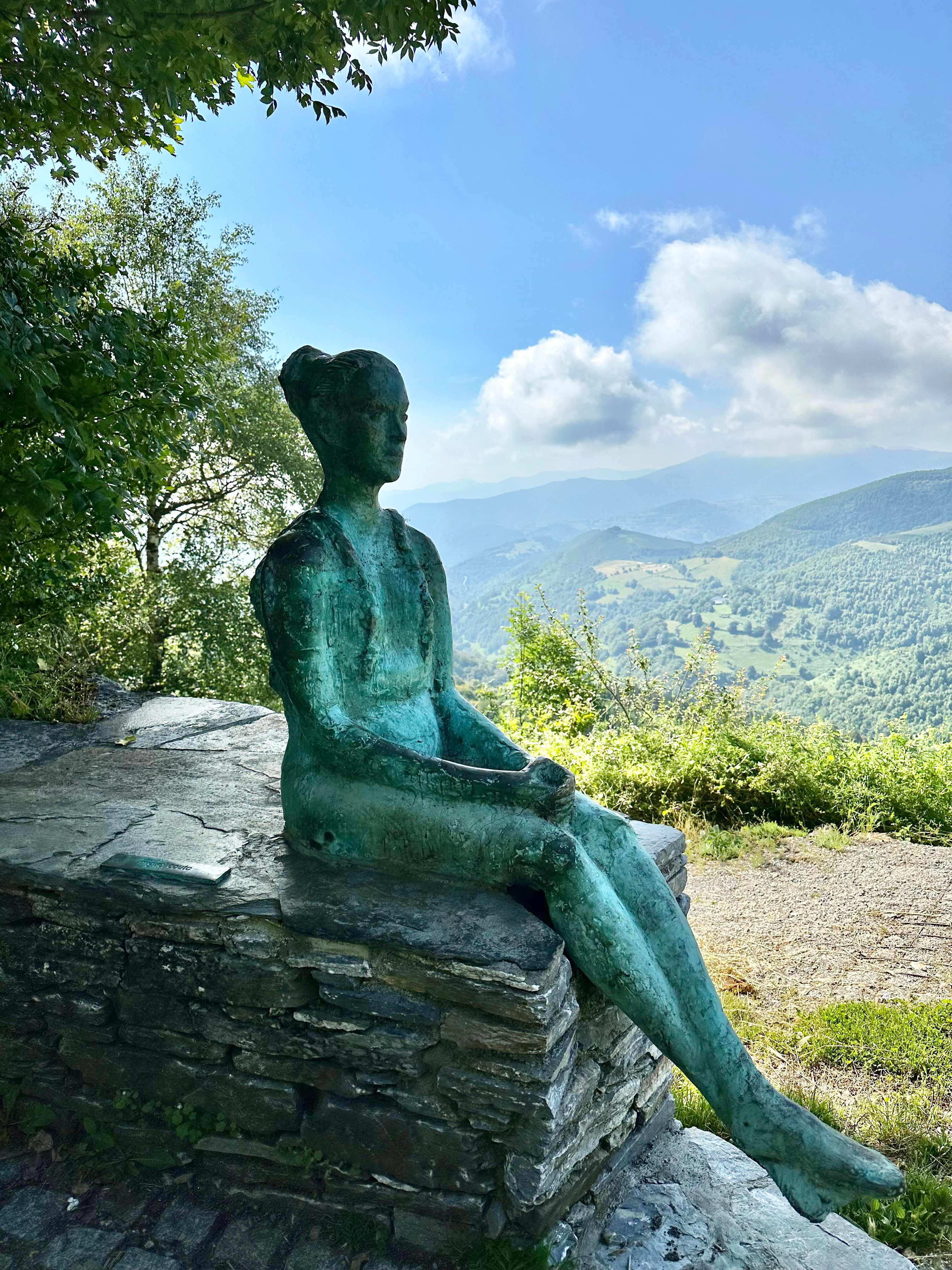
The path up to the top of the mountain skirts a stone wall and then I arrive after only a five-hour hike, feeling as fresh as when I started. At the entrance is a life-size bronze statue of a young girl with a backpack sitting barefoot on a wall. The statue was installed in 2018, so that explains why I didn’t see her when I was here the last time. The model is a dancer and the sculptor, Miguel Couto, wanted to break the stereotyping of a pilgrim with a woman, because there are as many female pilgrims as male. He also decided against showing a walking pilgrim and opted for a pilgrim who rests and enjoys her surroundings. I like this interpterion very much. 
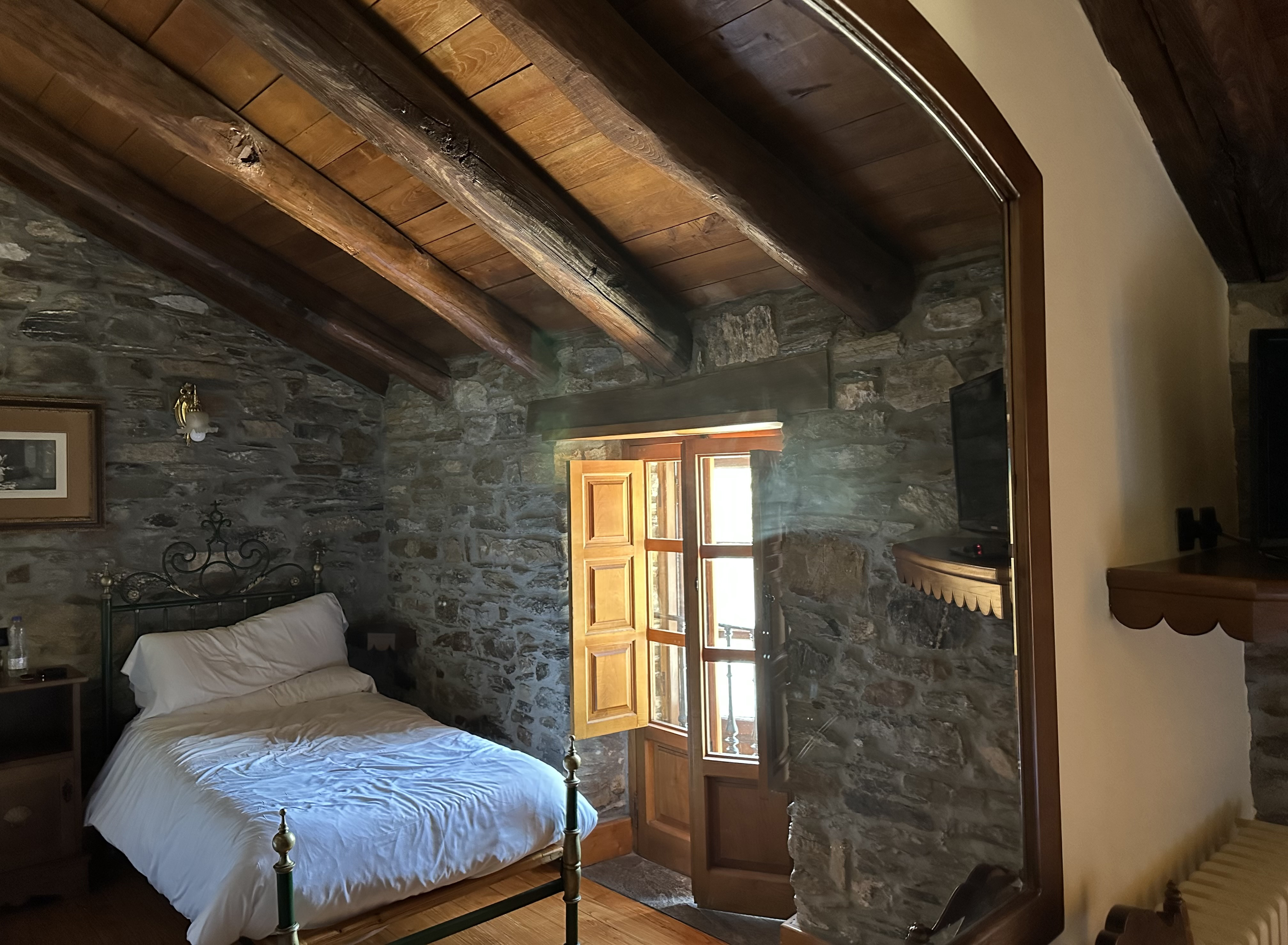
This pretty room is mine and has a south-facing French balcony towards a small square below, plus a bathtub. Perfect, I am going to wash my clothes now, as I have the whole of what’s left of the day at my disposal. Luxury! After this I’ll re-explore this little hamlet. I visit the small church which also is the resting place for Don Elias Valiña Sanpedro, the parish priest was committed to make the Camino available for everyone, and whose idea it was to mark the route with yellow arrows. It’s Sunday and I discover that this is also a popular haunt for a Sunday excursion. Then I go back to my room for a siesta. Bliss.
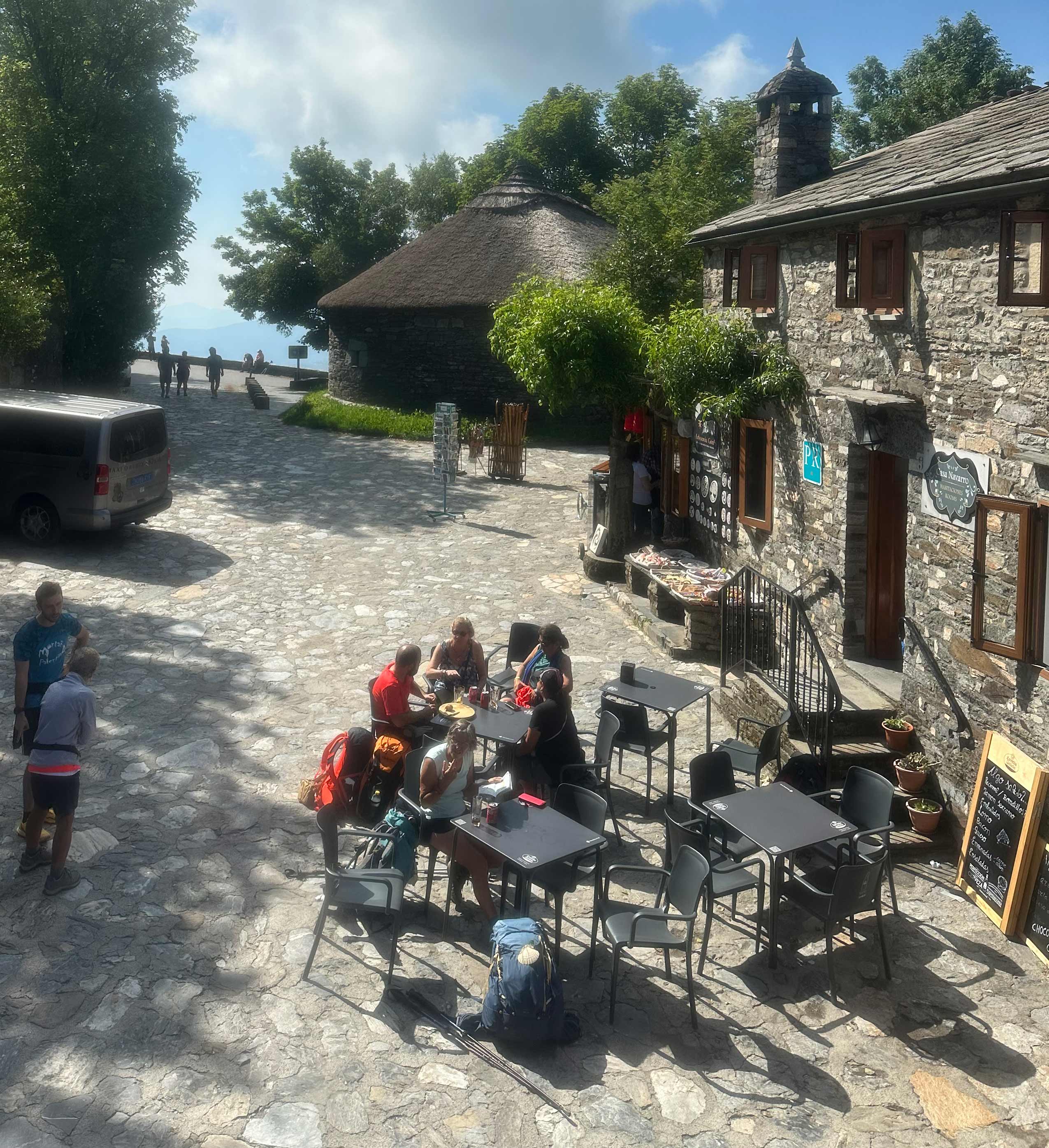
The view from my room
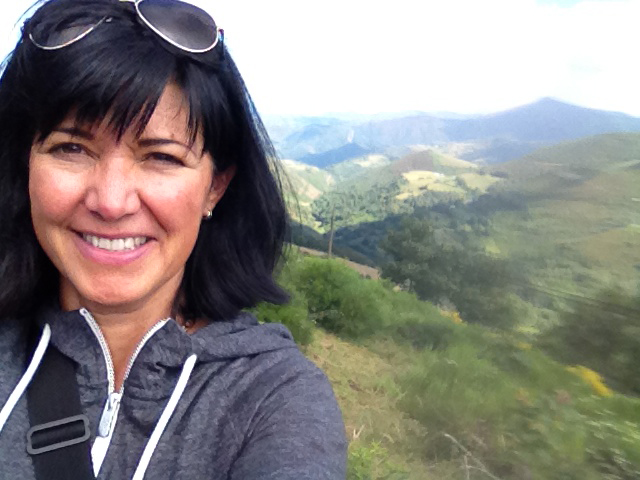
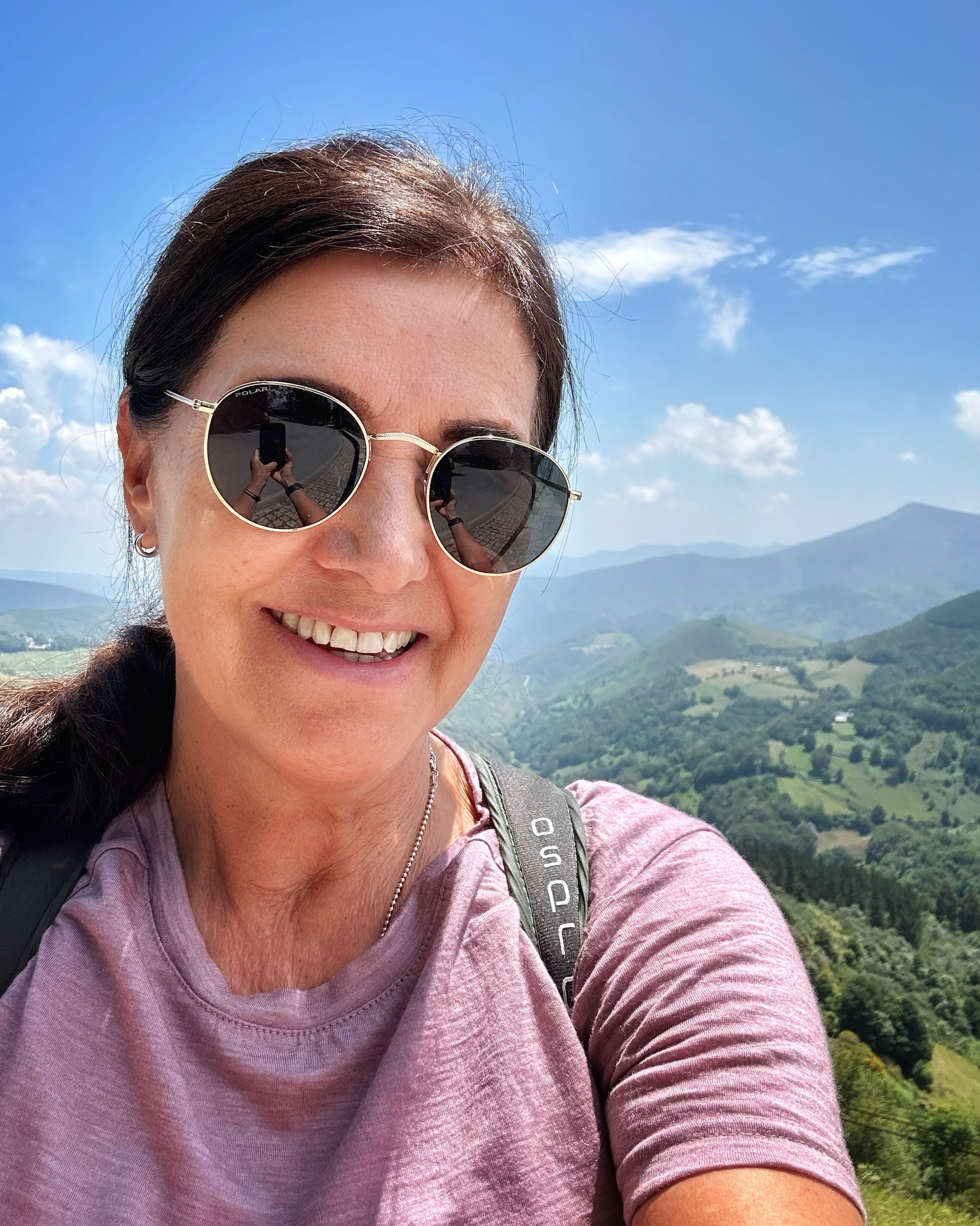
Me 2012 and 2023. My level of fitness may have declined over the years, but the iPhone cameras certainly have improved.

Time for an early dinner and I walk to the restaurant Carolo where it’s very quiet. This is where I had my first dinner and remember it as a place packed with pilgrims. Here I find Suzanne, and I join her, and we have dinner together. Before we leave, she gives me a small shell on a string her daughter made, such a sweet gesture! Thanks! 
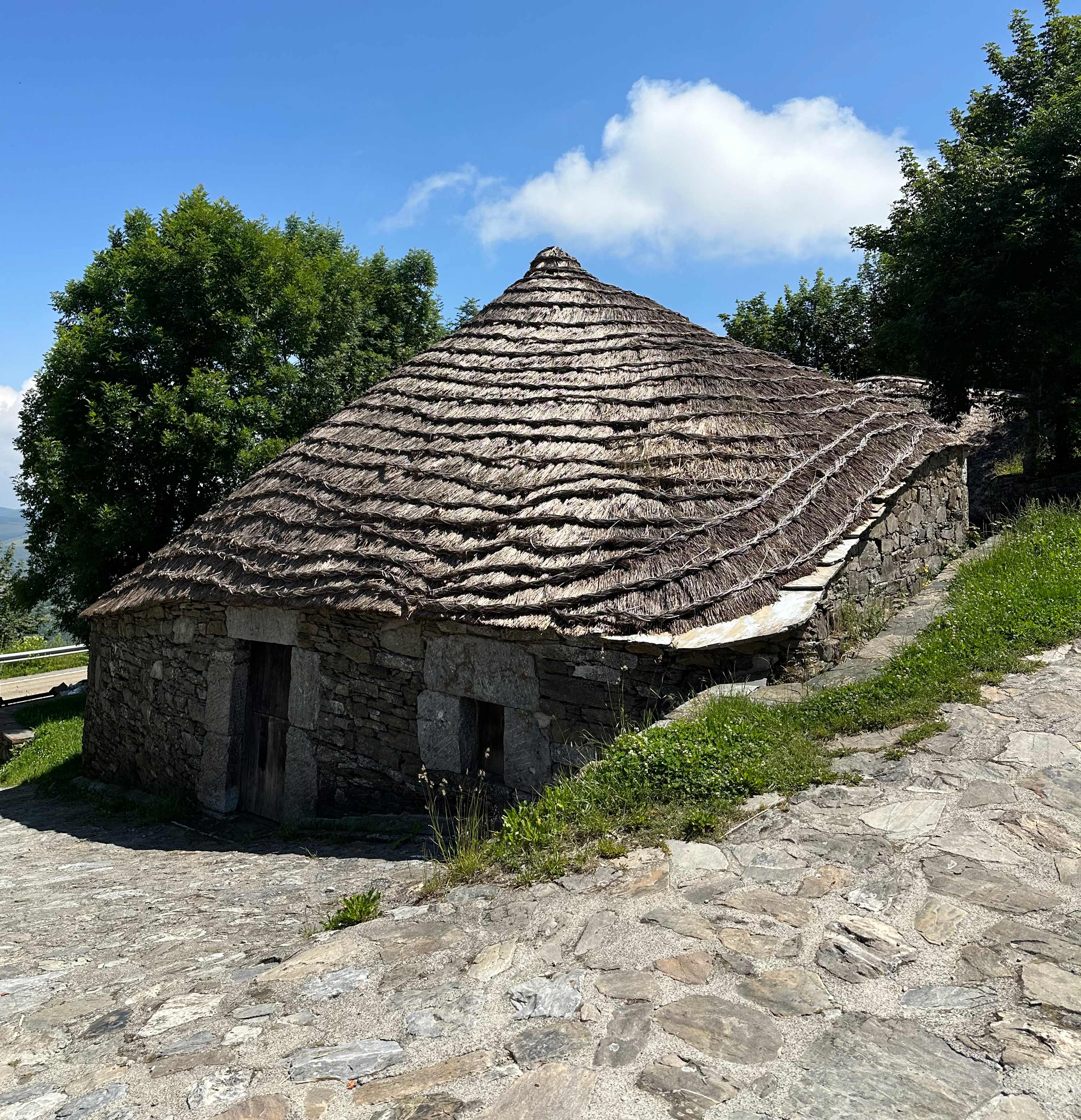
These hobbit-like huts are called Paloozas and are traditional dwellings that were shared by both people and their animals, living side by side.
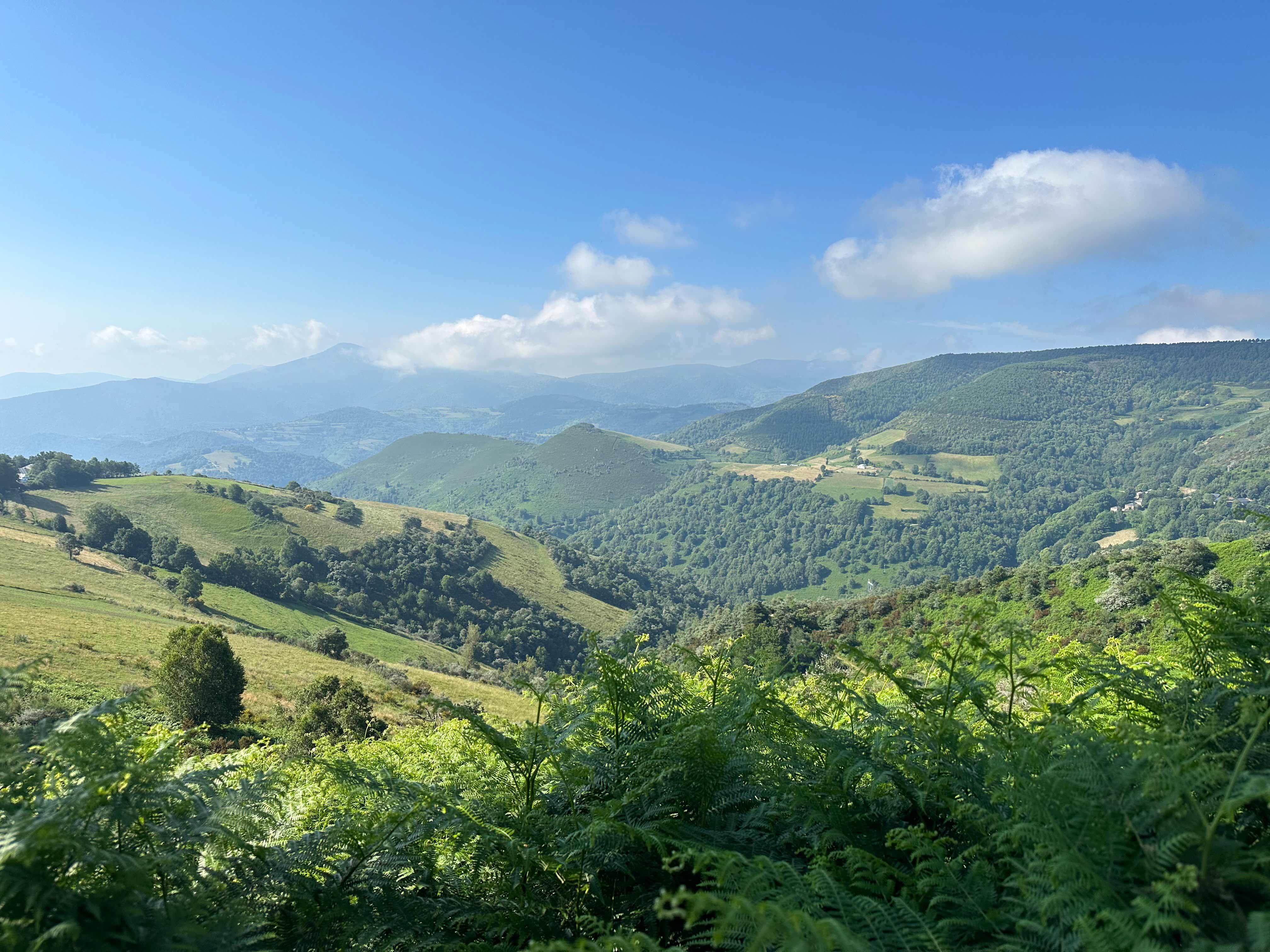
One last stroll around the village to take in the amazing views, and then I go back to my room to have an early night. Tomorrow it’s downhill again, and I remember how I staggered into Tricastela after my very first day of walking, knees shaking like castanets, completely exhausted. We’ll see how it goes tomorrow. In bed I think about the happiness I felt today and the meetings I have had with other pilgrims, and I feel very grateful.

Check out my earlier posts to get the full context of this pilgrimage or my latest Camino, and sign up to be notified when the next post is released.
If you enjoyed this post, please give it some love by sharing and liking it!

All photos copyright Anita Martinez Beijer © All rights reserved

The Camino de Santiago is a pilgrimage rooted in medieval origins. It leads to the tomb believed to be that of the Apostle Saint James the Greater, in the crypt of Santiago de Compostela Cathedral. The Camino was, and still is, Europe’s oldest, busiest, and most well-known route.

https://artsandculture.google.com/story/OAWBDrH9T-6yKQ

Day 4 Camino to Santiago de Compostela – from Villafranca del Bierzo to Las Herrerías

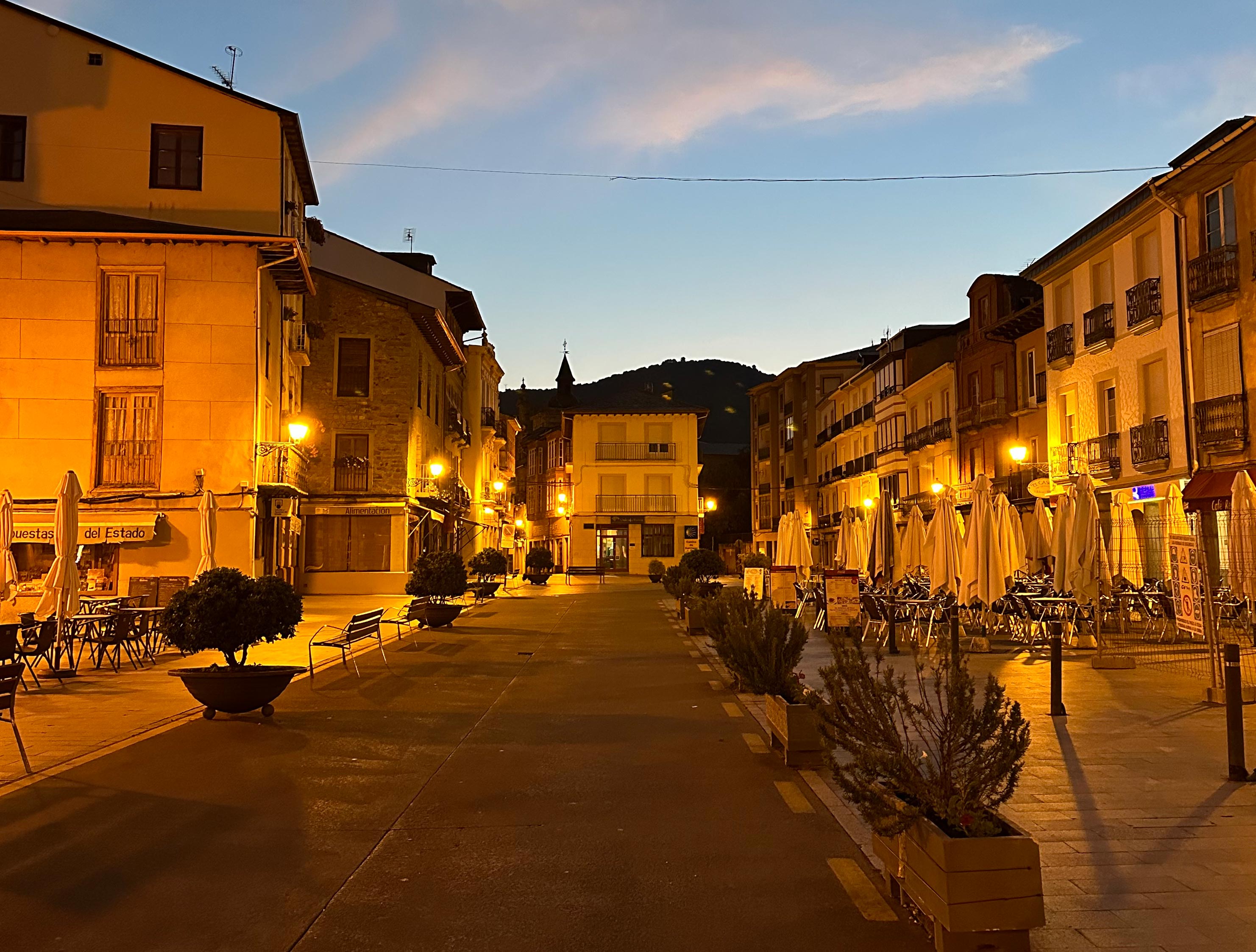
Not quite the 05.30 departure I had in mind, but 06.15. I’m getting there if slowly. The town sleeps but is pretty with all the lights. Don’t see anyone else around and it will be a while before I run into other pilgrims.

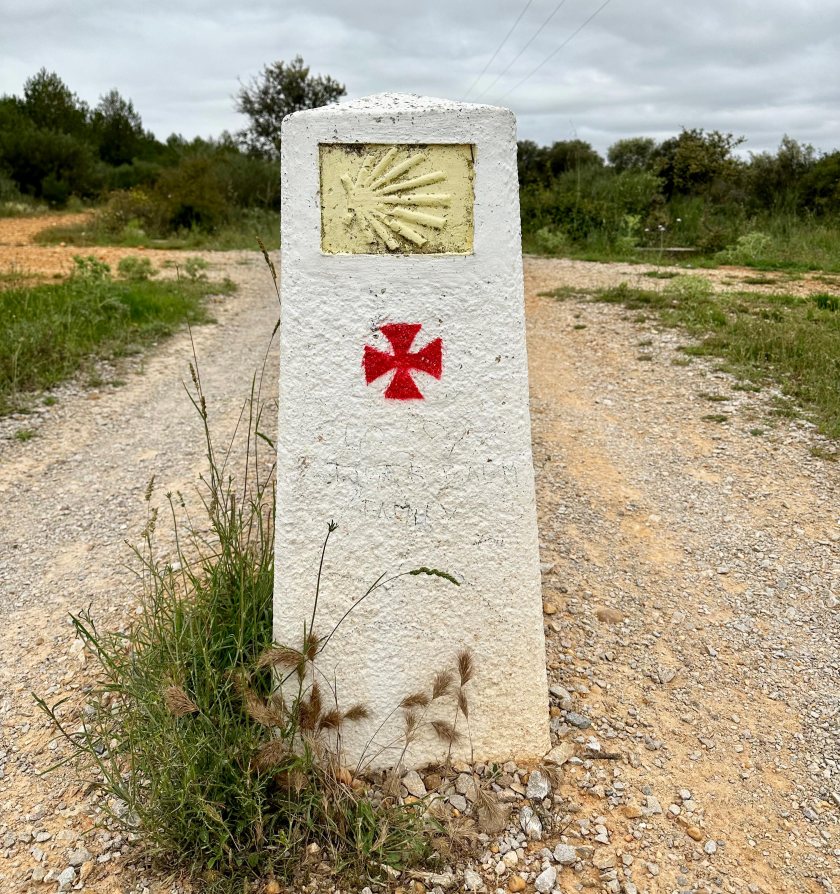
I chose the Pereje route which is relatively flat. For the more fit and seasoned walkers, there are two other routes, one that takes you over Alto Pradela and the other longer one over Alto Dragonete. 

Villafranca del Bierzo in the distance

Today I’m heading to Las Herrerías, which makes it a 20,3 km day, a more suitable length for me. If you follow different forums and groups, as I have done this second time around, you’ll discover there are about as many opinions as people. My tip for you would be, read them but then follow your own instincts. Someone wrote that he thought this particular stretch was boring as it’s next to a highway, so you might as well take a taxi…I myself enjoy the walk.

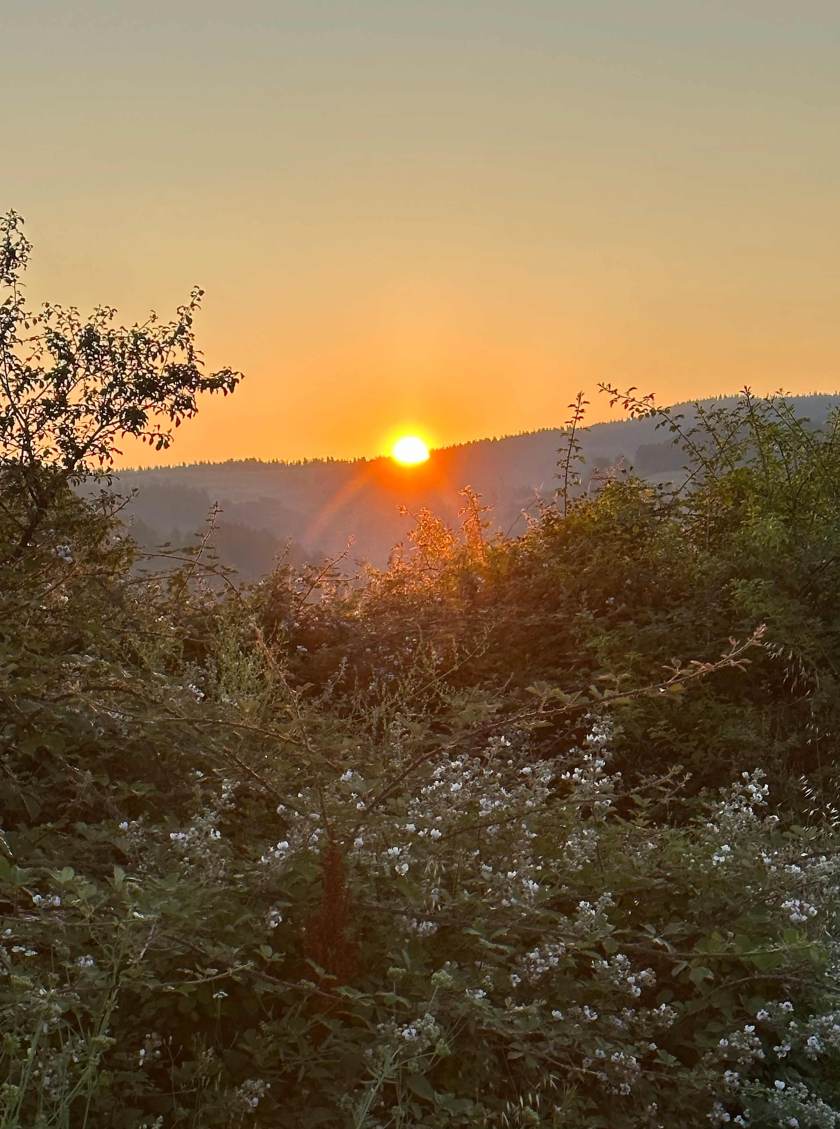
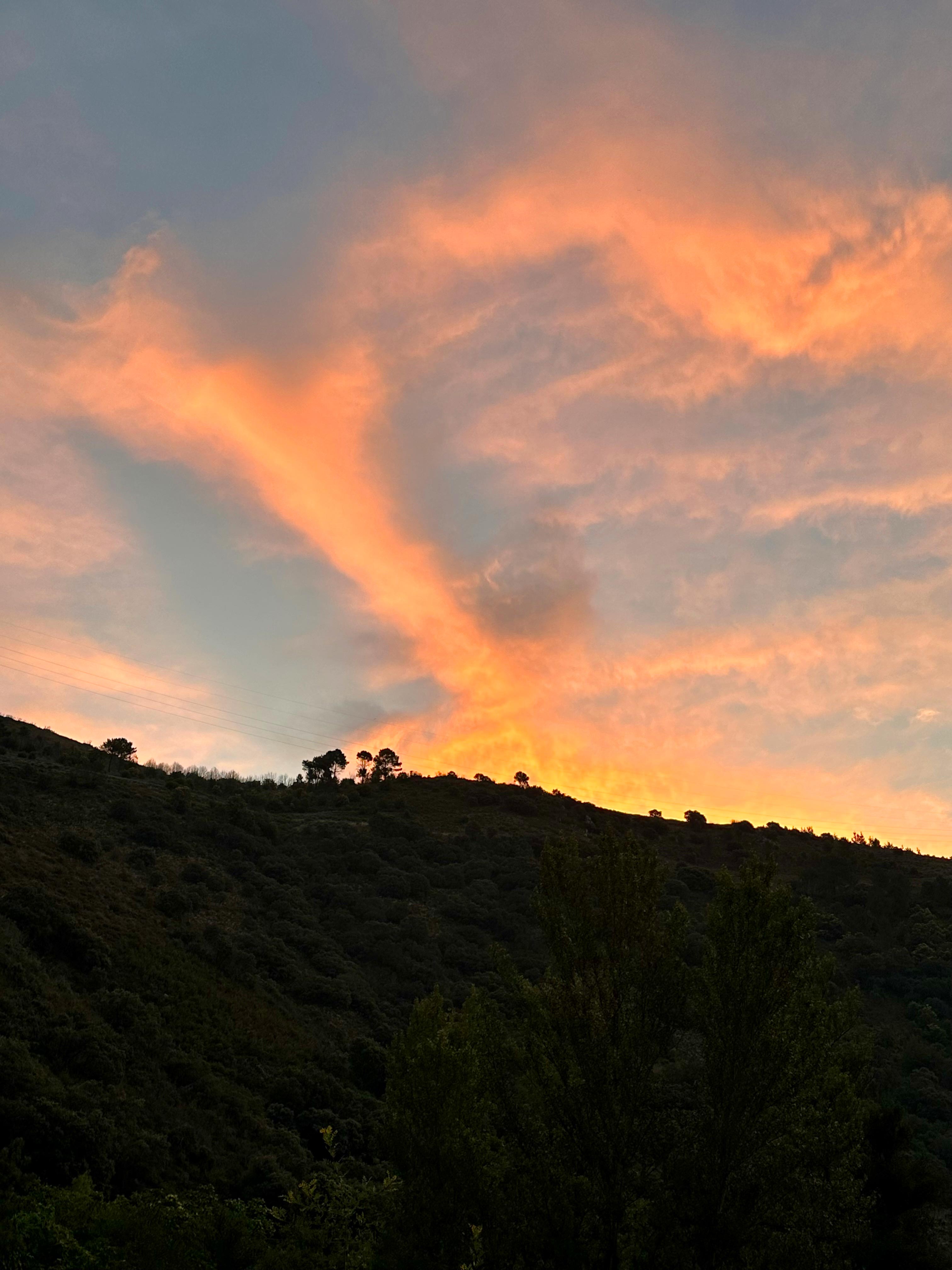
Sunrise behind the mountain ridge

The path runs along the Valcarse valley and the old main road, but very few cars pass here, as they use the new highway, which is a state-of-the-art affair high up in the air.

Listen!

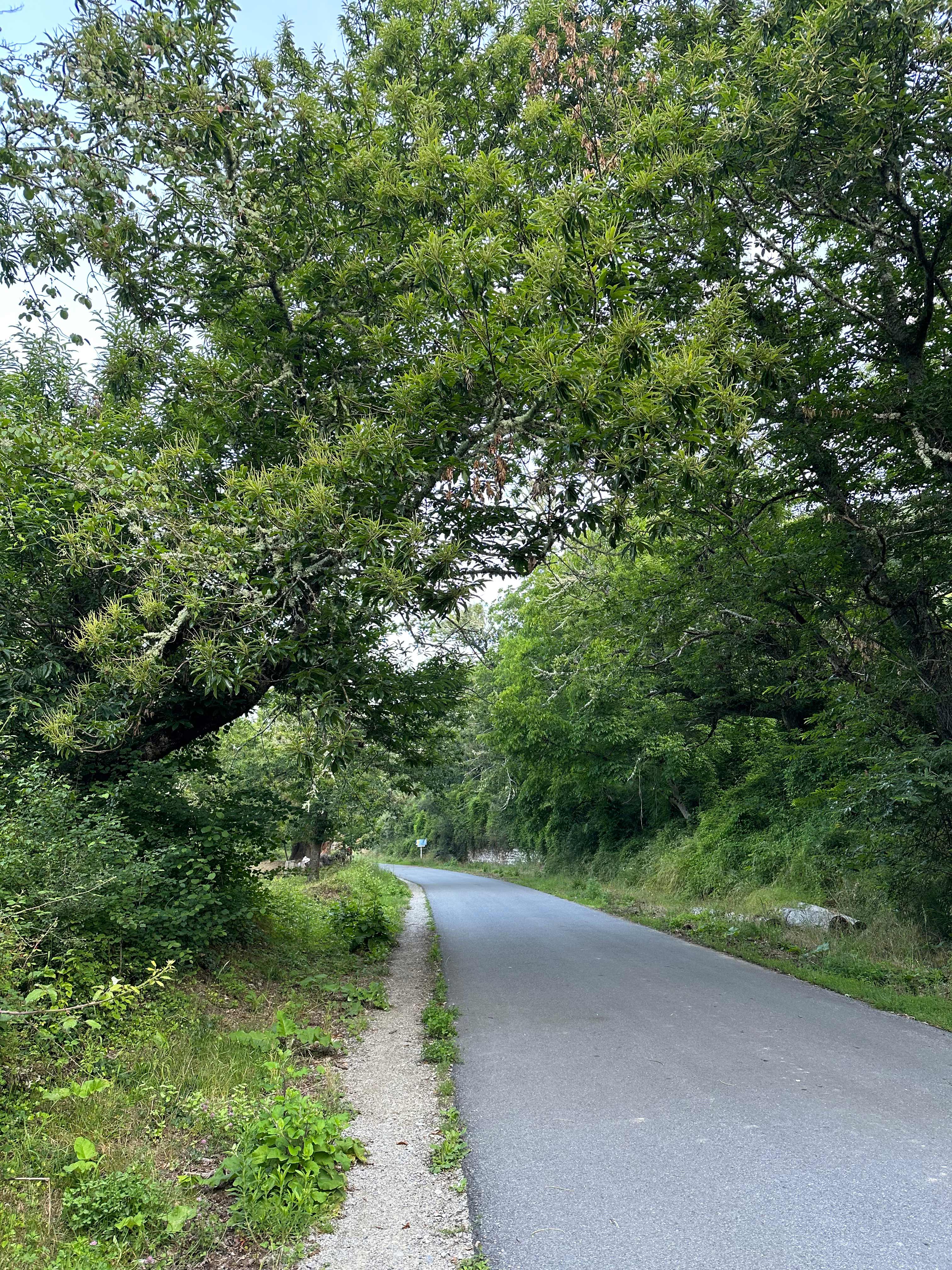
What’s more, the road follows a river, the río Valcarce, and it’s wonderful to walk to the sound of water and birdsong. In addition, a large part of the route is sheltered by the mountain peaks, pine and chestnut trees so is cool and pleasant which means that you avoid… the sun! How perfect isn’t this!

Spanish Chestnut tree

Cafes, on the other hand, are in short supply. It’s only when I have come halfway that one finally appears, and there I find all the pilgrims. It has a lovely atmosphere as people are greeting and joking with each other, and I finally find the community feel that has been lacking for me. In the long line waiting for my coffee and a tortilla, I start talking to a woman next to me. When she hears that I’m from Sweden, she exclaims, then you had to meet Nana, she’s sitting over there and she’s also from Sweden! 

I join them and recognize now that I have already seen them on the first stretch after Astorga. They are three incredibly nice women living in the US, doing the Camino together, and we have a nice long chat before they move on. We are all staying in Las Herrerías, so we’ll catch up later.

Around noon the shade has disappeared and it’s really hot again. The second part of the route feels twice as long as the first. There’re the strangest things about distances. I have walked 10 km without any breakfast to speak of without any problems whatsoever. On the steep climb to Las Herrerías, as the sun beat down, I sit down in the shade at every chance I get, and the very last 400 m feels like 4 km and it’s tough going.

Las Herrerías is a nice riverside hamlet, with green pastures and a stable, close to the border of Galicia. I wolf down my lunch and take a lovely shower and a siesta at the right time when siestas should be taken! No trudging on sun-drenched roads. Wonderful!

I have dinner next door and the girls are there. We agree to walk together tomorrow at meet up at 6 o’clock. 

Tomorrow Galicia! I look forward enormously to revisit O Cebreiro! Lights out!

Check out my earlier posts to get the full context of this pilgrimage or my latest Camino, and sign up to be notified when the next post is released.
If you enjoyed this post, please give it some love by sharing and liking it!

All photos copyright Anita Martinez Beijer © All rights reserved

The Camino de Santiago is a pilgrimage rooted in medieval origins. It leads to the tomb believed to be that of the Apostle Saint James the Greater, in the crypt of Santiago de Compostela Cathedral. The Camino was, and still is, Europe’s oldest, busiest, and most well-known route.

https://artsandculture.google.com/story/OAWBDrH9T-6yKQ

Day 3 Camino to Santiago de Compostela – from Molinaseca to Villafranca del Bierzo

Good morning! I aimed to leave at 6 o’clock, but it’s 6.30 before I begin walking. The town is quiet, but eventually new hikers appear and silently exit the town, each in their own thoughts.

I’m starting to enjoy these early mornings and being able to see the sun rise. The air is fresh, and it feels incredible for a die-hard night owl like me to be part of the awakening of a new day.

The first leg down to the large town of Ponferrada is very steep, and as my poor knees and feet haven’t quite recovered from yesterday, I stop at the very first café that is open at the outskirts of the town to have a little rest and my morning coffee. I haven’t very high expectations of this modern metropolis with a population of 69 000, but it surprises me in a good way.

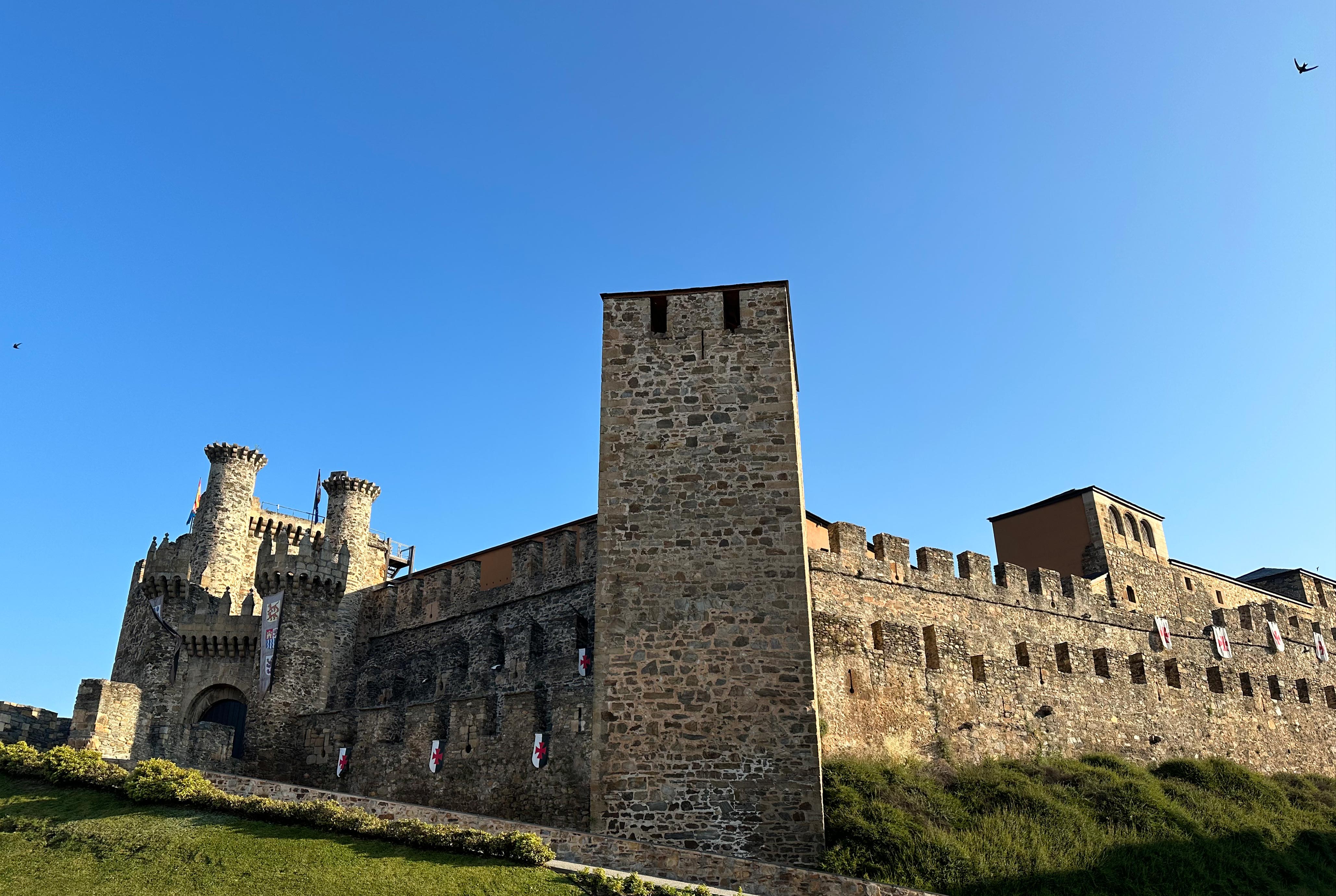
The route I follow takes me though the medieval part and some of the main historic sites such as the XIIthC Templar Castle, Castillo de los Templarios. Ponferrada came under the protection of the templar Order by decree of King Fernando II in 1178. I cross the bridge Pons Ferrada and follow a path beside the río Sil through a large park, Parque de la Concordia, enjoying the sound of the rushing river, the cool shade from the trees, and the birdsong. 

Listen to the birdsong from the Parque de la Concordia and the river Sil

The heat comes early and as the day progresses walking without any shade from trees, I feel it. Today is a totally different experience from yesterday’s nature scenery and beautiful vistas, as this is an area where people live, work, and go about their daily lives. I see people leave their kids at the kindergarten, people popping into their regular bars to take a quick cup of coffee standing by the bar, people busy driving off to work in their cars, looking into their purses to see if everything is there. 

I’m starting to flag but haven’t seen anywhere to stop and eat. Finally, I cross a busy main road and come into the suburb of Columbrianos, stop at the first café I pass, and wolf down a plate of bacon and eggs, no frills or bells, and then I continue.

The Camino is very much about mindset. I remember this now from the last time. I could have an absolutely magical day and then the next day was really rough. It is full of ups and downs, just like life itself, but in a compressed form. Today is not one of my prime days, and then just like that I get overtaken by an angel in the form of the delightful Teresa, a wonderful woman from the US. She’s walking the long stretch from St. Jean Pied de Port in France, like many others I have already met on the way, and we team up for a while. We find an instant rapport and our conversation flows easily. This is all it takes to feel good again.

When we reach the town of Camponaraya we part ways and she continues at her usual walking speed, the fifth gear possessed by those who have found their walking legs. The traffic is heavy on the main road that the trail is now a part of. My feet are burning, and the heat is seriously affecting me. So, for the second day I cut my losses when I pass a parked taxi, and I call a number I spot on a board over the busy road. It turns out to be the owner of the parked taxi and it’s his home I’m standing opposite. I’m probably disturbing him from his siesta, because, yes, it’s that time of the day again.

He swiftly takes me to the outskirts of Villafranca del Bierzo and once again I’m extremely grateful. This is not a day to push for 30,6 km after all. 

Thinking back again to my ‘John the Scot’ from 2012, as we sat on the top of O Cebreiro. On the day we met he describes how one does the Camino. The way it was done was to leave at the crack of dawn at 5.30. Why? I remember asking incredulously, as I was just as exhausted and overworked even before starting the Camino, as I am now. Because it will get too hot to walk, and you need to get to your next place of stay before that, he explains. But it’s not going to get hot, I see this on my app (or whatever I had in my mobile at the time), I countered. I was actually right in a way, because that year the weather conditions were unusually perfect for hiking in July, at least until the very last day into Santiago. Well, I take my hat off to you now John, because you were absolutely right. +32 degrees Celsius in blazing sunshine is not good hiking weather.

Villafranca del Bierzo is a lovely little town with pretty town square with many restaurants around it, and it’s here I’m staying. There is an evening mass in the church that’s good, I’m told, and then I’m pointed in the direction of one of the locals’ favourite restaurants, tips that I immediately take up on. Both recommendations turn out to be excellent. I first attend the 7.30 mass in the church. I’m not religious, but I find the spiritual aspect of the Camino intertwined with the whole experience. 

So off to the church I trot after a nap, a wash of clothes and a bit of personal freshening up. It fills up, mostly by locals as I can see, but I spot a couple people who must be pilgrims. Thinking smugly that I blend in with my dark hair, I find a place to sit with the locals. Of course, I don’t understand a word the priest is saying, but it’s the feeling of being a part of the community I like. Until the old lady I’m sitting next to nudges me and says in Spanish, “Aren’t you going to stand up?” When I look uncomprehending back she continues, “Well, aren’t you a Peregrina? You have to get up now.” Apparently, this is the part when pilgrims get a blessing, so I stand up. Obviously, not so inconspicuous as I thought…

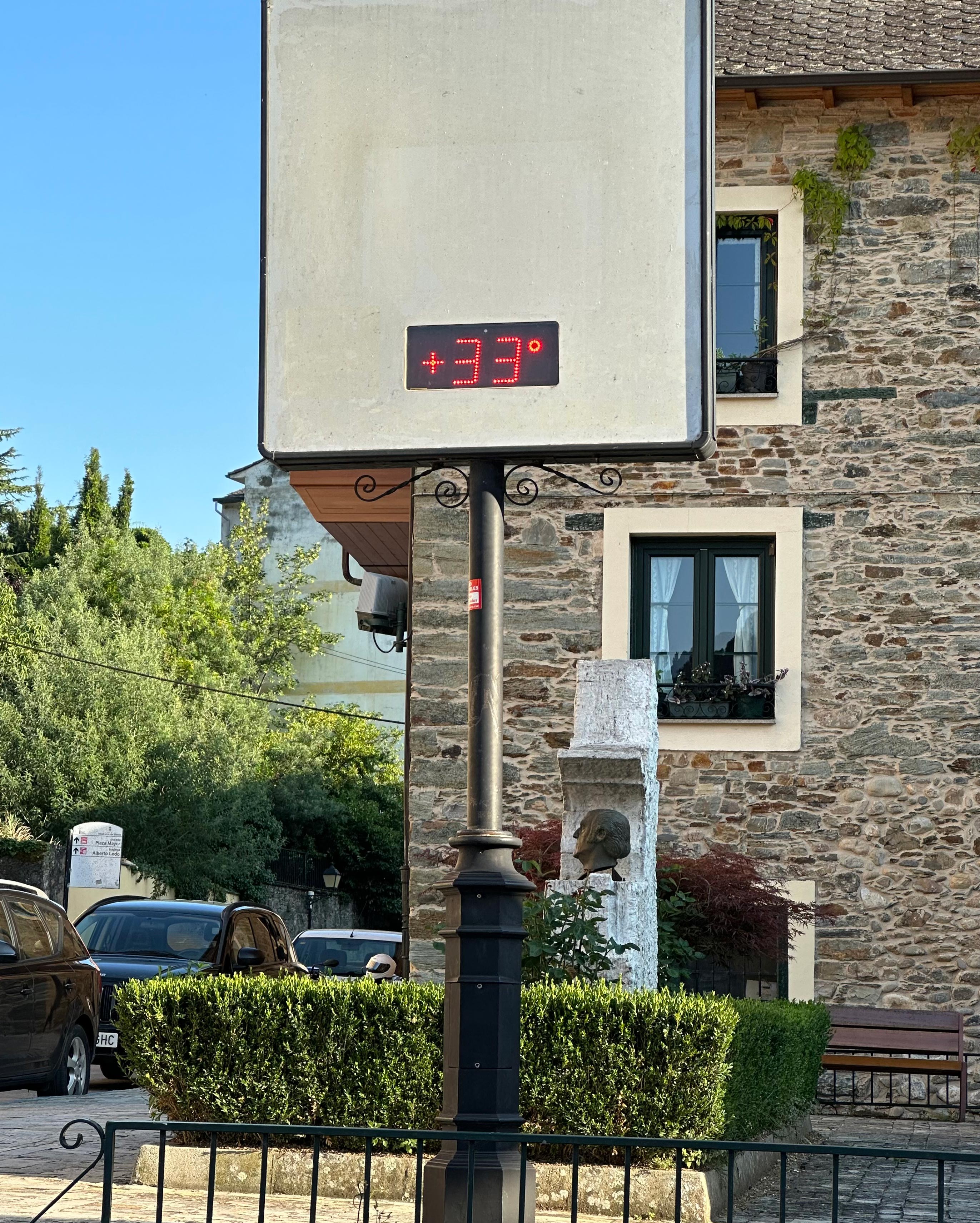
Even at night it’s hot. This is a thermometer at 8 o’clock in the evening! After a hearty meal in the restaurant with splendid local cuisine I head back to get an early night. Can I possibly live up to the Camino best practice and leave at 5.30 am tomorrow? Let’s see…

Check out my earlier posts to get the full context of this pilgrimage or my latest Camino, and sign up to be notified when the next post is released.
If you enjoyed this post, please give it some love by sharing and liking it!

All photos copyright Anita Martinez Beijer © All rights reserved

The Camino de Santiago is a pilgrimage rooted in medieval origins. It leads to the tomb believed to be that of the Apostle Saint James the Greater, in the crypt of Santiago de Compostela Cathedral. The Camino was, and still is, Europe’s oldest, busiest, and most well-known route.

https://artsandculture.google.com/story/OAWBDrH9T-6yKQ

Day 2 Camino to Santiago de Compostela – from Rabanal de Camino to Molinaseca

Wake up early and collect my now dry clothes from the clothesline, get dressed and out of the door at around six thirty. Today’s walk is 25,6 km, but it’s the steep descent down mountainside that’s going to be the challenge.

Typical pilgrim shadow in the morning

The first part is wonderfully cool and walking up the mountain is no problem at all. Beautiful nature and wildflowers and the higher I get, of course, a wonderful view, once I pass the fog.

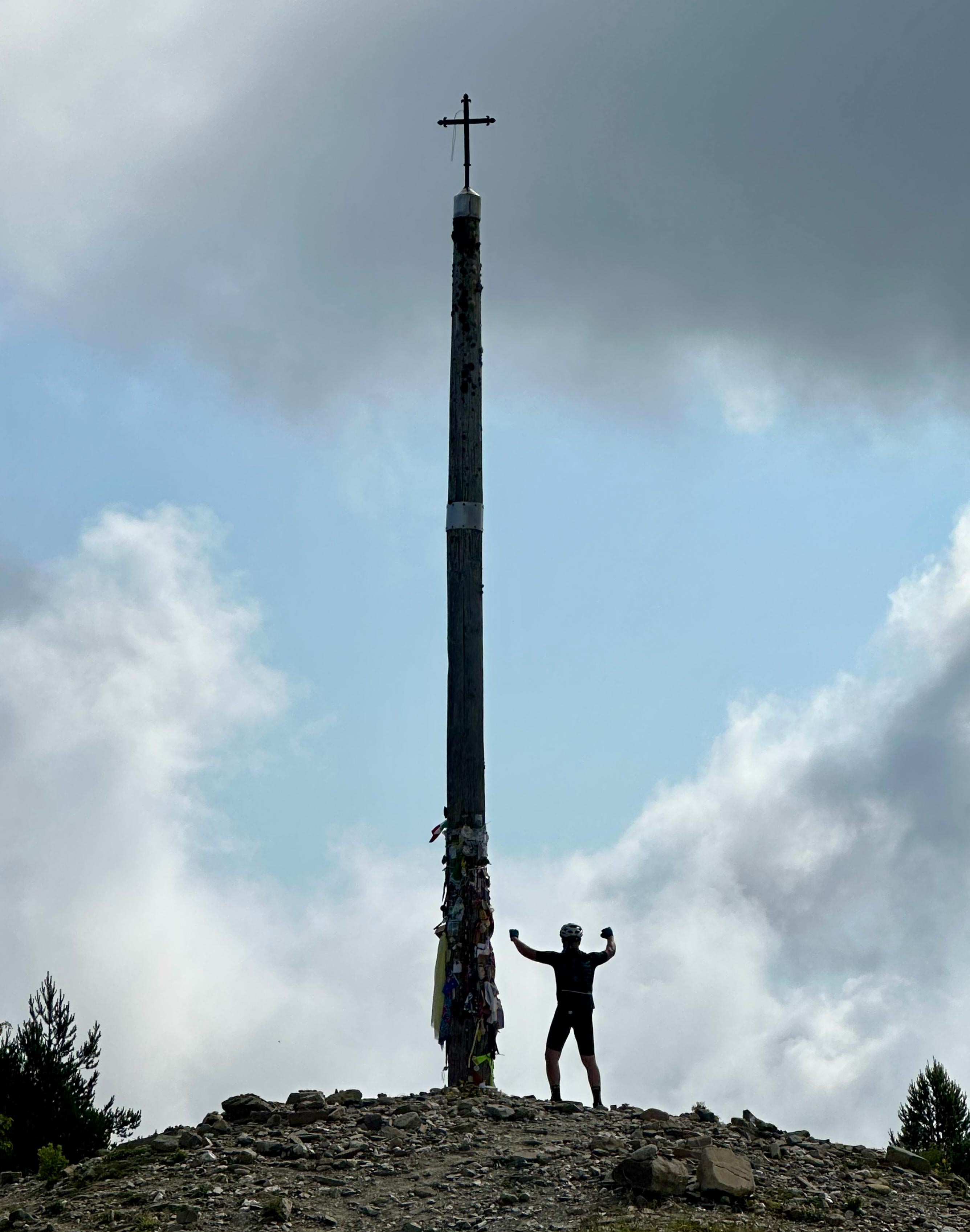
I take my morning coffee in the small village of Foncebadón, just before the peak experience for most pilgrims, the large cross, Cruz de Ferro, standing 1,504 meters above sea level on a large mound of stones and pebbles. Pilgrims traditionally leave a small stone at the Cruz de Ferro, to symbolize leaving all their burdens behind. I find myself unexpectedly unmoved by this iconic place, both physically and spiritually. Perhaps it’s because I expected it to be on the very peak of the mountain with uninterrupted views, but it’s surrounded by high pines, and the actual peak of the mountain is Alto Altar at 1551 meters, some 6-7 km further on. 

Anyway, it’s a feat to climb or cycle up any mountain and worth celebrating as the cyclist did who came after me.

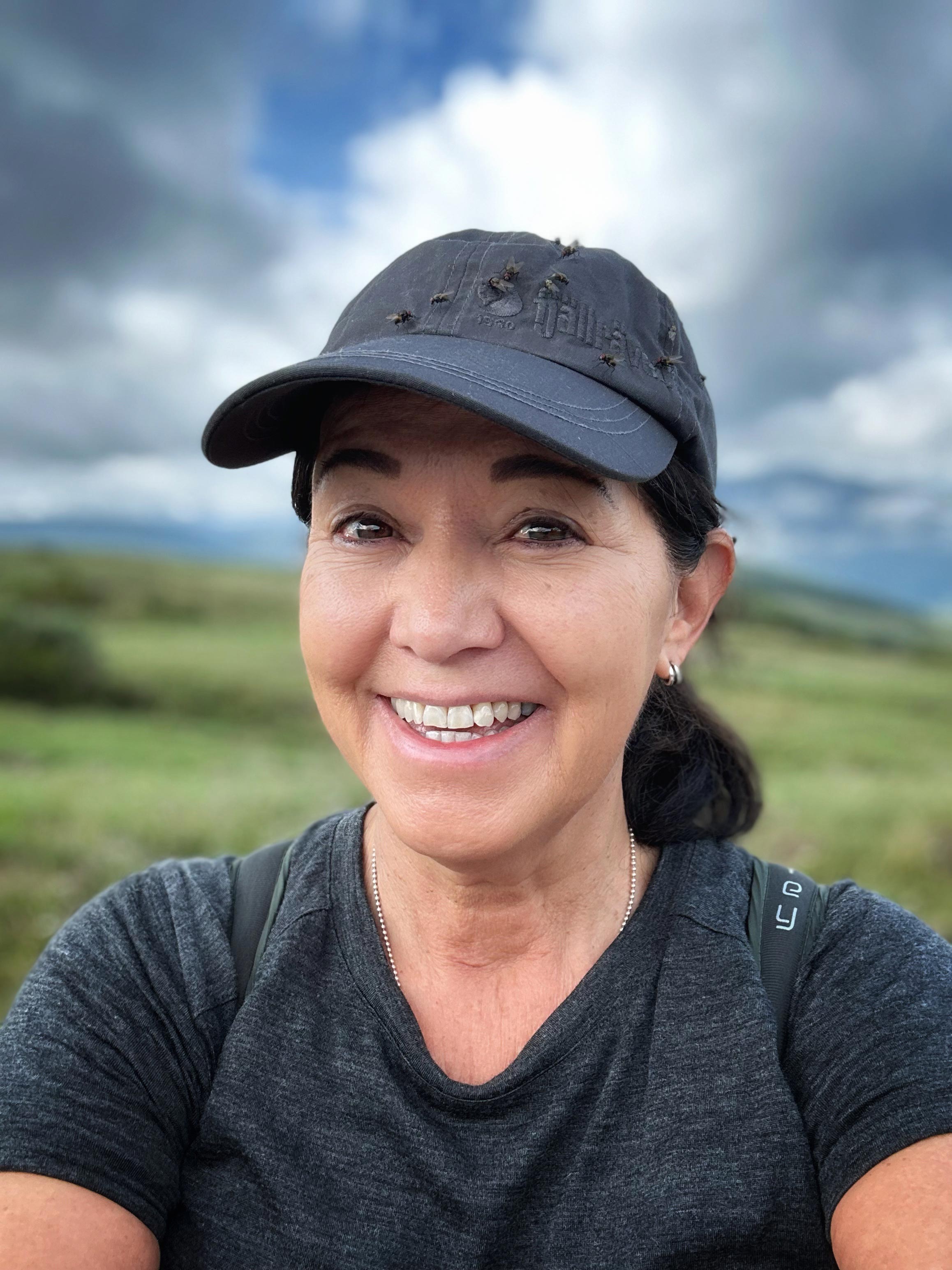
Look at the crazy amount of flies on my cap! Only on me mind you, they didn’t seem to bother anyone else.

The next stop to refresh myself is on the way to Alto Altar, run by a lovely girl from a caravan. I chat to some of the pilgrims and realise that all of them plan to stop and spend the night in El Acebo. They tell me they would be impressed if I would make it down to Molinaseca. Join the club, I have just realised that so would I…

Manjarin, the village of one (!) official resident, the ‘modern knight’ hospitalero Tomás.

Now the decent begins. Just look at this path! Gone are the more smoother surfaces and it’s littered with rocks the whole way down. As if that wasn’t enough, it’s become afternoon and getting hotter by the minute. Combined with the high humidity it quickly becomes very difficult. My feet are killing me, and my left shoulder is hurting. I somehow make it down to El Acebo in one piece, where I find a nice cool café and have a very late lunch of omelette, chips and a large salad that tastes heavenly, but it’s way past 2 o’clock and I’m done!

So, El Acebo could probably have been the place to stay. I somehow thought, in the comfort of my own home far up in the cold north with zero humidity, that I could spend the whole day strolling if I fancied, to reach my destination. Wrong. It’s agony to walk in the afternoons when it’s hot, and there is no strolling involved whatsoever. It’s a demanding hike to reach your destination for the day. What’s more is that there’s a very good reason they have siestas in this part of the world. So, I call it a day and the nicest guy called Luis takes me smoothly down to Molinaseca in his wonderfully air-conditioned taxi, and we have the best time chatting away. He tells me that it’s another two and a half hours of steep downhill walking to reach the town. It’s a no brainer, this is the best €20 I’ve spent so far.

The small town of Molinaseca is as pretty as I have envisioned, situated by a lovely river. It seems that the entire town’s youth are congregated on the two riverbanks, and I am more than grateful to join them in the shade and dip my poor feet (hello first blister) in the cool water. Bliss!

I find the advice of John Brierley to be sound: ‘Don’t push yourself at the beginning. Most injuries, strained tendons and blisters occur in the early days. It generally takes the body a week to adjust to regular walking.’

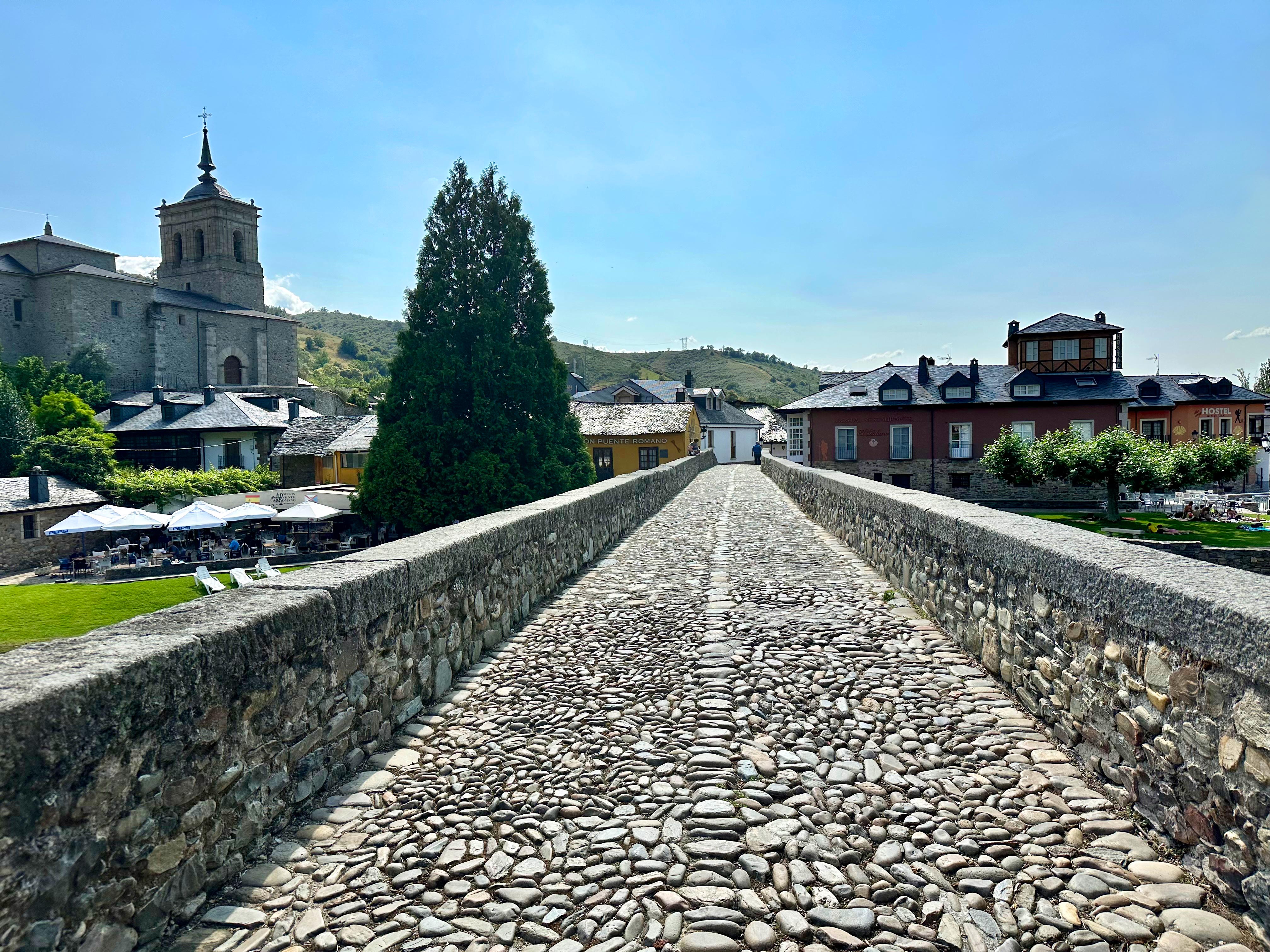
Have a quiet dinner by the old roman bridge by the riverside and reflect on what feels different so far this time from 2012. It’s only my second day on the Camino, but I think I’m missing a bit the immediate social connection I felt the last time. I only had to hop off the bus below O Cebreiro, before I was “adopted” by what I began to call “my own John the Scot”, having read Shirley McClain’s book Camino shortly before. She had a John the Scot who kept showing up to help her along the way.

Anyway, my John the Scot had brought one of his grandchildren with him on the Camino this time. It was his third or fourth time, and he always started from O Cebreiro. We shared a taxi up the mountain, and for that I was grateful, because I had spent the night at the airport in Barcelona and hadn’t slept a wink. At dinner time I was invited over to their table and this friendship continued as we kept bumping into each other on the Camino and more pilgrims joined us after a short while. I have chatted with fellow pilgrims along the way who were all very nice, but that special pilgrim community feeling isn’t quite there for me yet.

So, I guess early mornings mean early nights, and I find myself tucked up at 9.30 sharp. Hopefully I’ll be able to leave early, as it’s predicted to be even warmer the next day and it’s also going to be a 30 km walk. Wish me luck!

Check out my earlier posts to get the full context of this pilgrimage or my latest Camino, and sign up to be notified when the next post is released.
If you enjoyed this post, please give it some love by sharing and liking it!

All photos copyright Anita Martinez Beijer © All rights reserved

The Camino de Santiago is a pilgrimage rooted in medieval origins. It leads to the tomb believed to be that of the Apostle Saint James the Greater, in the crypt of Santiago de Compostela Cathedral. The Camino was, and still is, Europe’s oldest, busiest, and most well-known route.
https://artsandculture.google.com/story/OAWBDrH9T-6yKQ

Day 1 Camino to Santiago de Compostela – from Astorga to Rabanal de Camino

I follow the French Way or The Way of St. James which this ancient pilgrim path is also known as, just like the last time, but this time starting in the region of Castilla y León that borders to Galicia at O Cebreiro. It will be fun to discover a new part of the Camino. 

It’s a beautiful start and feels wonderfully flat! In reality it’s a steady ascent from Santa Catalina to Rabanal, however I stop every 5 km as I had planned, for a coffee, lunch or something to drink, and luckily there are cafes evenly distributed along the trail.  

Passing pretty and very rustic doors on the way.

I knew that there has been a tremendous rise of pilgrims since my last Camino in 2012. The statistics show a staggering 438,589 thousand people finished the pilgrimage to Santiago de Compostela in 2022, as opposed to 192,488 in 2012, and indeed, there are a lot of pilgrims on the trail today. However, I enjoy having brief chats with people from many parts of the world, even though I find myself thinking, is this going to be like this the whole way?

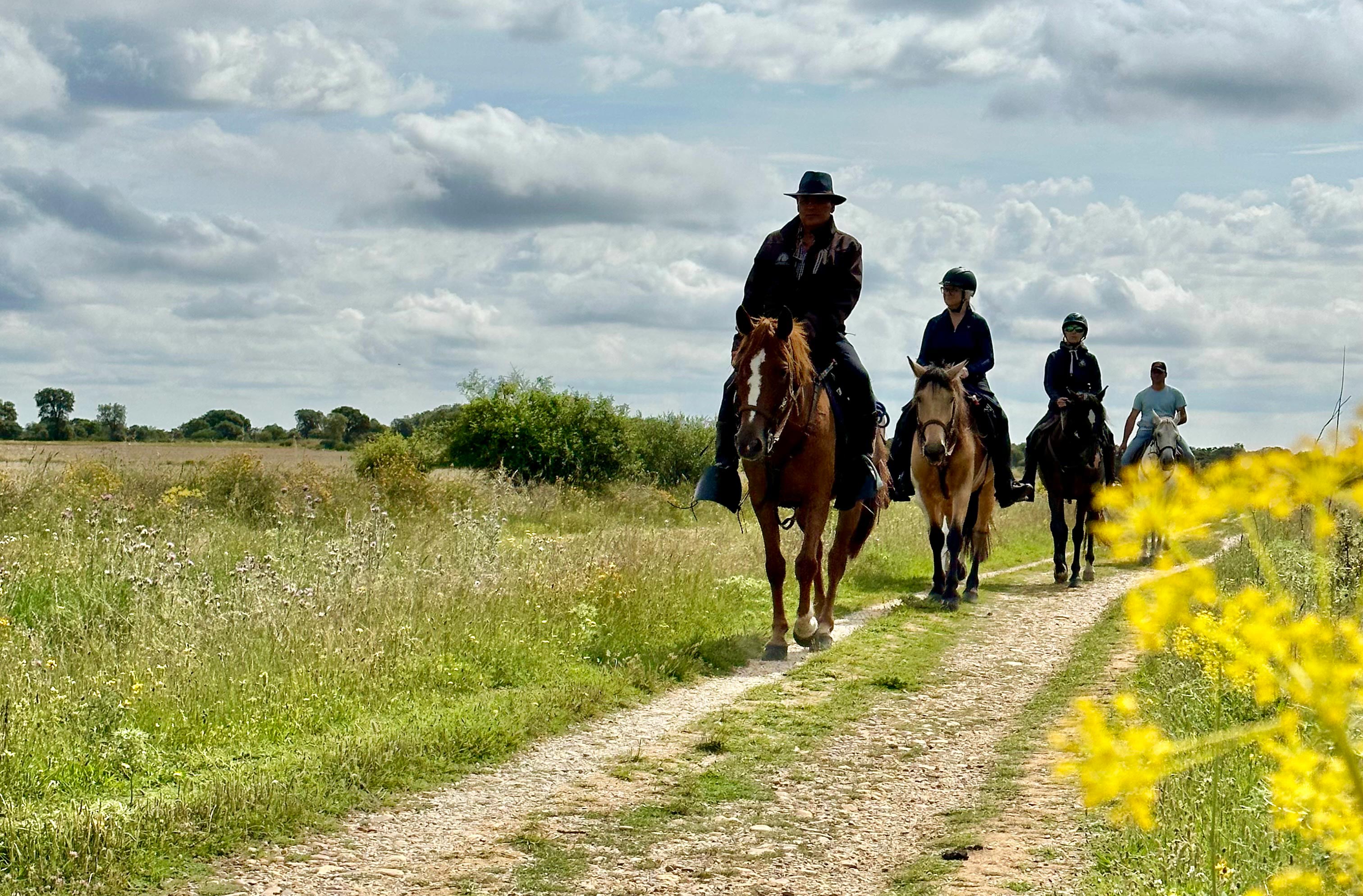
Some do their Camino on horseback, others on bicycle, but mostly people walk.

The sad lack of training before the Camino I have made up for in a way by being better equipped in the clothing department. I have my excellent hiking boots that kept me blister free, my pants that can transform into a pair of shorts by zipping of part of the legs, the double act merino wool socks (probably the secret of zero blisters), my Osprey backpack, a rain poncho and a few other items from the last time.

Here I am very happy to be on my way, and rightly so. Look at wonderfully flat and even terrain behind me. Easy as pie so far!

But this time around I have kitted myself out with a neat lightweight wind jacket that folds into a tiny square that fits into the palm of my hand (!), an incredibly comfy lightweight fleece jacket, a head torch (invaluable on the last morning), a lightweight hiking skirt (loved this one!), a couple of thin merino wool t-shirts, one which has long sleeves (layering is the trick here), a lightweight sponge bag and a lightweight fanny pack for my valuables, to mention a few. I think you’ve noticed that the common denominator is lightweight…

Enjoying nature that is still in its early summer prime.

The one thing I was extra grateful for were my new hiking poles with rubber tips (as not to drive everyone nuts with the tapping sound). Without them I wouldn’t have succeeded at all to be honest. They are easily disassembled into three parts, and I packed them in a hard paper tube, like the kind you transport posters in, since you can’t take them on the plane, and they must be checked in. So, I purchased an Osprey Airbag in which I packed my backpack and the tube with the poles, and this combination served me well, as this time I also had my backpack sent along the way. I had no idea of this service the last time and happily carried my own throughout. But this time is a little different because I’m not going home at the end, but I’m going to continue to visit my niece on the Italian riviera and need some extra non-walking related clothing. So, despite all the new state of the art lightweight gear, my backpack ended up weighing over 11 kilos and that’s way over the max weight for me to carry, which would be approximately 6 kilos. The Airbag proved to be a nifty item to keep all my kit together as well.

So enough of the packing tips and let’s get back onto the trail. All went well on this 20,7 km stretch but the last five kilometers began to ascent quite steeply, making the very last leg quite heavy going for an extremely unfit person, and I’m starting to get an inkling of what awaits…

The strangest thing was that after El Ganzo, and the aptly namned Cowboy bar, everyone seemed to have vanished, and I walk alone for quite a bit. I meet the riding gang again at the entrance of Rabanal and they seem astonished that they as riders, hadn’t come further than me hiking.

This place is a dream. Lucky me! Slept like a princess here and I really needed all the rest I could get for the next day...

I leave them there and find my way my next lodging, the Stone Boat, which turned out to be a fabulous place! Kim who owns the place and is from the US greeted me and we sat down to register, and then in no time at all skipped the small talk and went into deep and meaningful conversation for hours on end over a cup of tea! I’m grateful every time I meet a kindred soul. She even washes my clothes in her machine and hang them to dry on a clothes line close by the lighted wood stove in the corner, without us missing a beat. Thanks Kim!

The view from my bedroom window.

I popped into 12th century Templar church across the courtyard from the monastery, to listen to a short service with Gregorian chants, before I continued to a restaurant close by for my first dinner with the traditional three-course pilgrim menu. After that it was time to head straight back to my lodgings, to be firmly tucked up in bed by 10 o’clock.

Tomorrow is a seriously tough 25,6 km day, from Rabanal to Molinasecca, ascending the mountain to the famous Cruz de Ferro and then Alto Altar at 1,515 meters and after that a steep decent to El Acebo. Lights out!

Check out my earlier posts to get the full context of this pilgrimage or my latest Camino, and sign up to be notified when the next post is released.
If you enjoyed this post, please give it some love by sharing and liking it!

All photos copyright Anita Martinez Beijer © All rights reserved

The Camino de Santiago is a pilgrimage rooted in medieval origins. It leads to the tomb believed to be that of the Apostle Saint James the Greater, in the crypt of Santiago de Compostela Cathedral. The Camino was, and still is, Europe’s oldest, busiest, and most well-known route.
https://artsandculture.google.com/story/OAWBDrH9T-6yKQ

My Camino to Santiago de Compostella 2023 – Arriving in Astorga

This year the Camino called me again… 

The first time I walked part of the Camino to Santiago de Compostela was 2012. At that time, I was living in Malmö in the south of Sweden and working at IKEA Communications, the in-house marketing agency of IKEA. This meant that I had to join the ranks of IKEA’s many commuting employees, spending a good three hours on the train every day, starting at the crack of dawn. The upside of this was that I got to know and become friends with a good many of my co-workers. 

Anyway, one Friday evening in May, while we commuted back to Malmö, Gen, one of my interior designer friends from Quebec told me about walking the whole 800 km stretch of the Camino when she was in her twenties. Something struck a chord inside of me when I listened to her story. The whole of the next day I thought about it and the next day I found myself at my computer Googling away. On Monday when we met up again, I told her I too was going to walk the Camino. What! she exclaimed. People spend years and years planning before they eventually go. Well, that may be, I replied, but I’m going anyway this summer. And so I did, and what a good decision it was because I had the most amazing and magical experience!

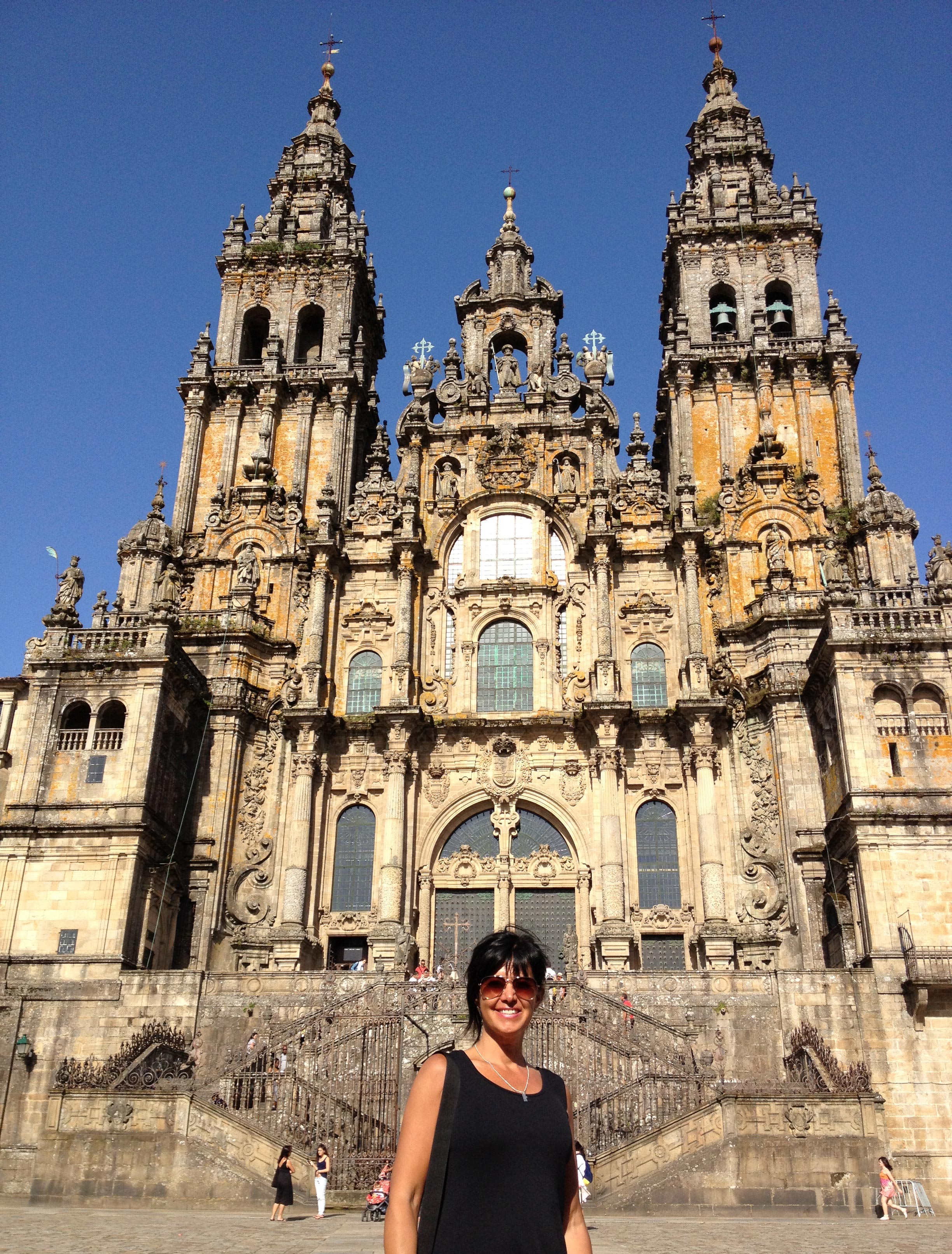
Me in front of the cathedral in Santiago de Compostela July 2012, after I had completed my Camino.


So, I was curious if I would have the same wonderful experience eleven years later. Of course, this time I was planning to be better prepared, as I would have the time to train well in advance to build up my strength gradually with longer and longer walks. Not like the last time when I only had time to try on my new backpack while strolling the length of my living room and walking in my new boots at the airport of Barcelona. Or so I thought. Instead it turned out that I worked silly hours of the day (and night) for months, not even taking normal everyday walks, and I was more exhausted than ever even before started this strenuous undertaking. I wouldn’t recommend this approach…

Last time I wanted to start on top of a mountain, so I chose O Cebreiro, about 163 km from Santiago de Compostela.

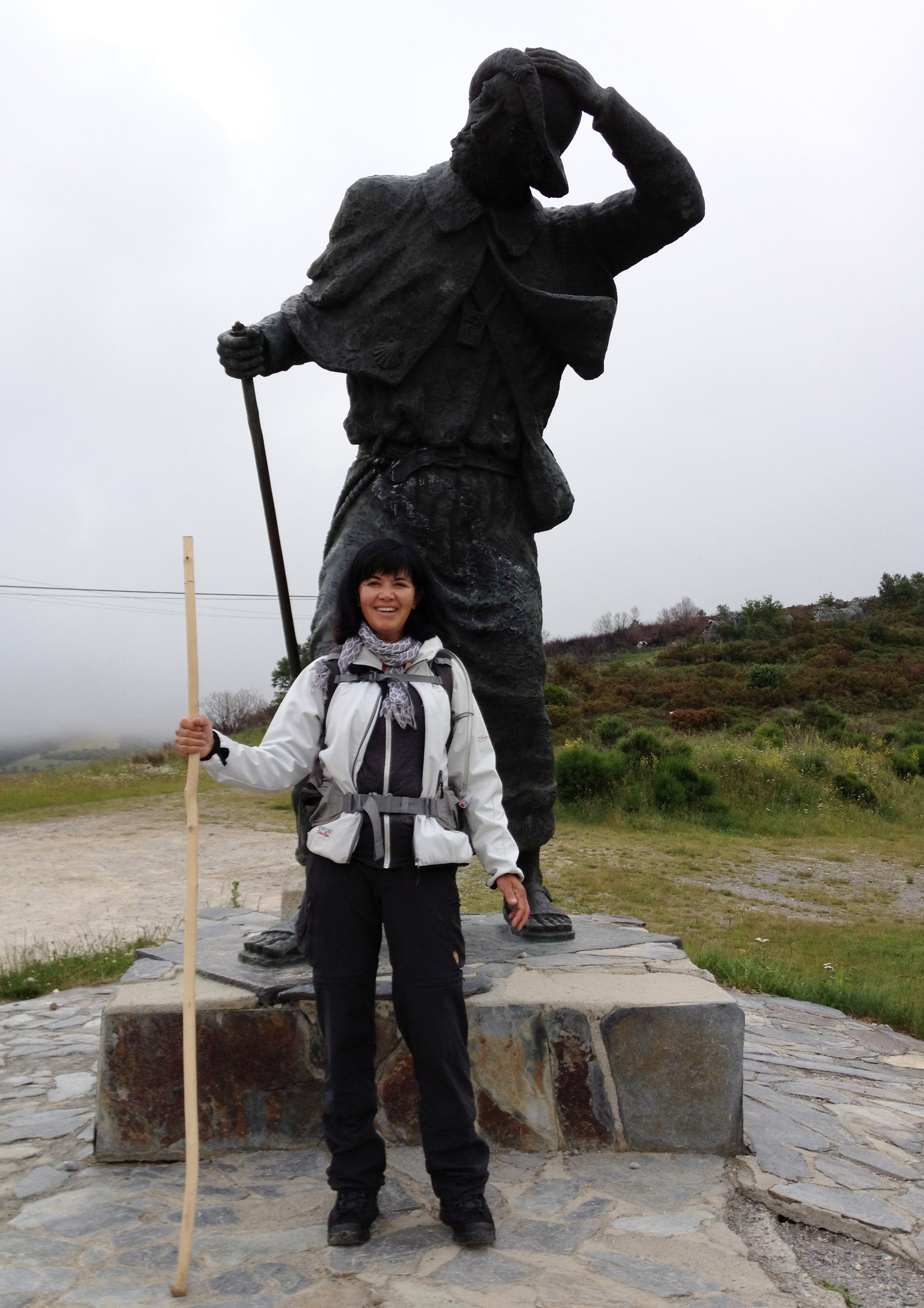
Posing in front of the statue of the medieval pilgrim outside Liñares in 2012, with the staff I inherited from a group of Spanish pilgrims who had just completed their camino. One of them gave me his staff which had the name Ishmael engraved on it, which he in turn had inherited, so it was Ishmael and I who were adventuring together.


This time I decided to start and end with a cathedral and chose the town of Astorga in the Castilla y León region, 269 km from Santiago de Compostela. It was a good decision, but Astorga is also the end of the plains, and the start of the Montés de León, the mountains, so this didn’t exactly make things any easier. The first really steep one, Foncebadon being some 1500 meters high and O Cebreiro at the border to Galicia is 1300 meters high.

Anyway, still blissfully unaware of the practical implications of this, I arrived in Astorga by bus in the afternoon, from Madrid where I had stayed the night before, and was overjoyed by this pretty little town.

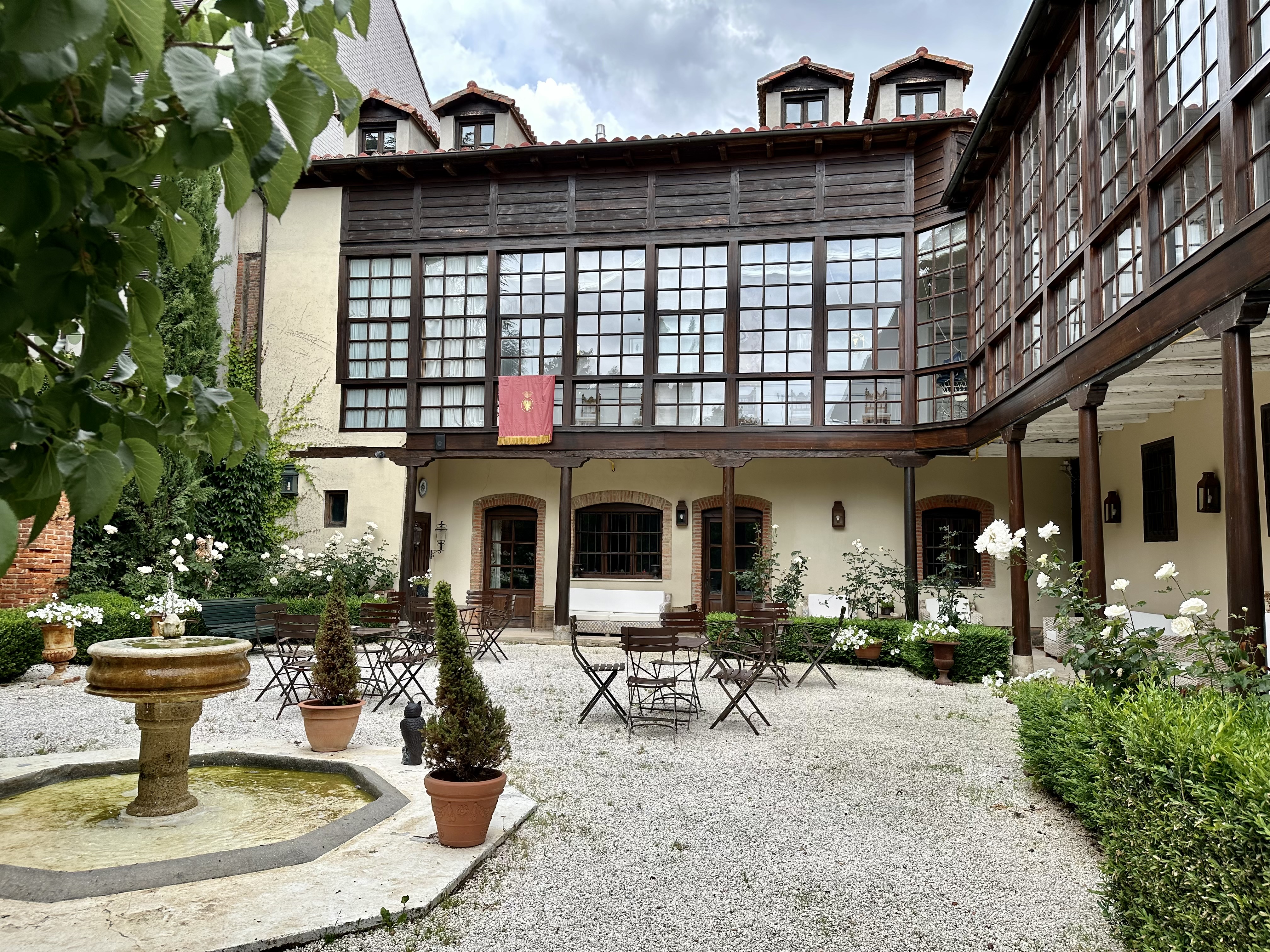
I was fortunate to stay in a wonderful old house in the very heart of the town, which has belonged to the same family for over 200 years. It has a beautiful courtyard with a fountain, framed by the house on two sides and greenery by the others, and it was blissful to sit there and listen to the doves cooing and the water splashing. Balm for frayed nerves and travel fatigue. Just listen!

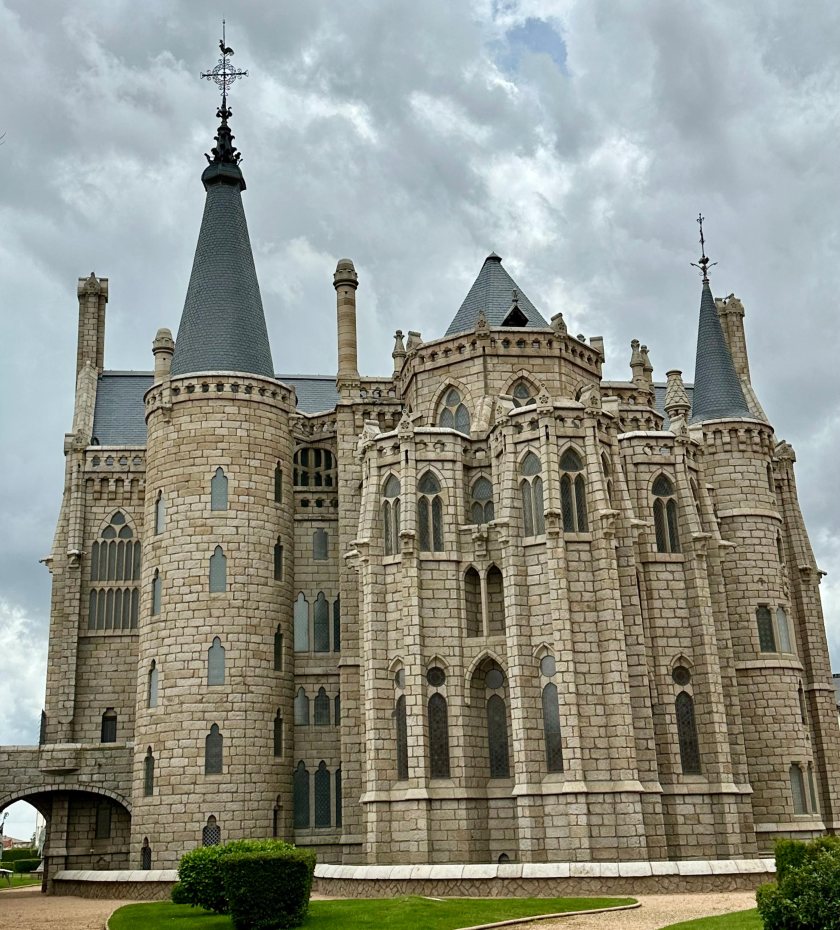
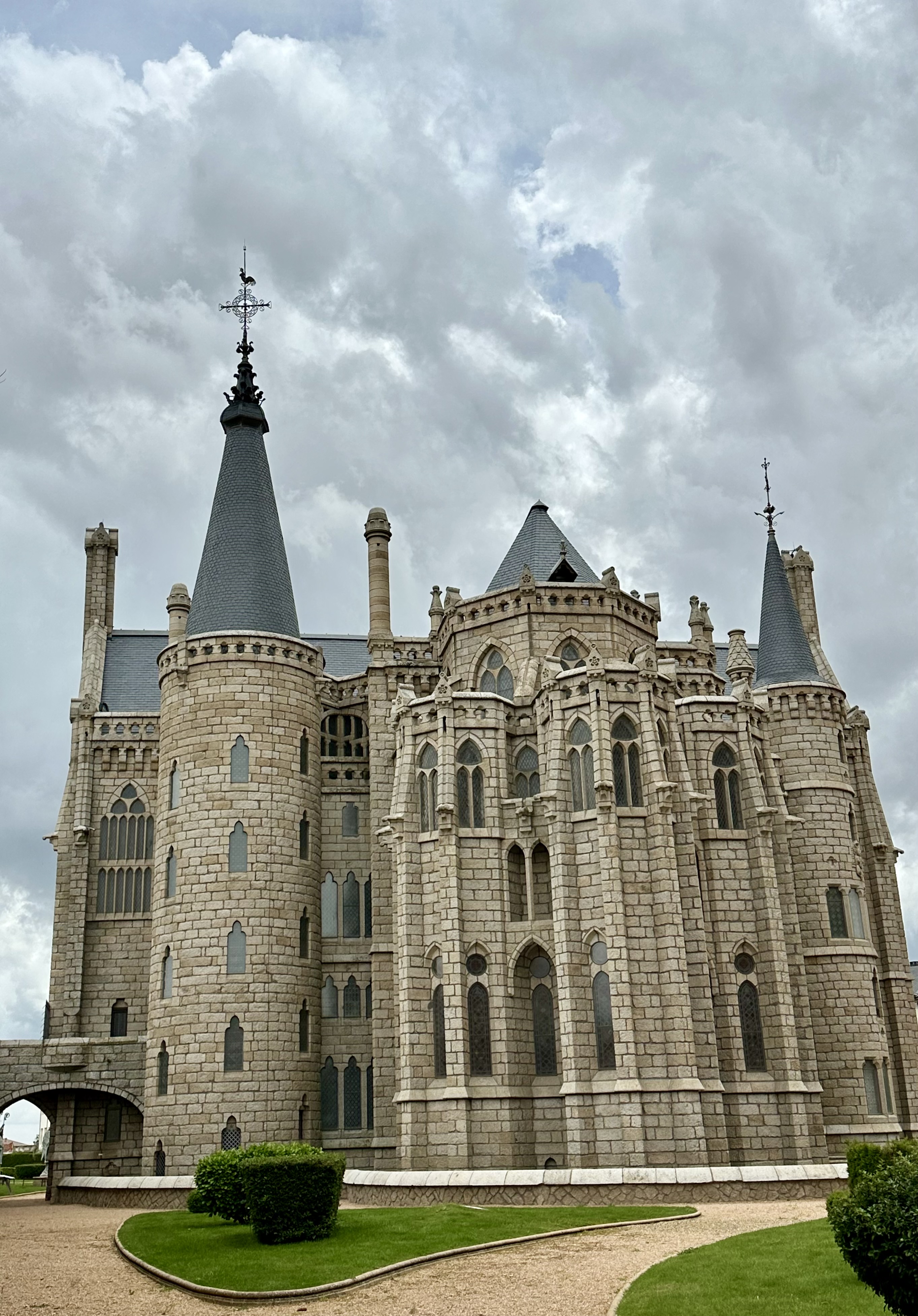
The Bishop’s Palace

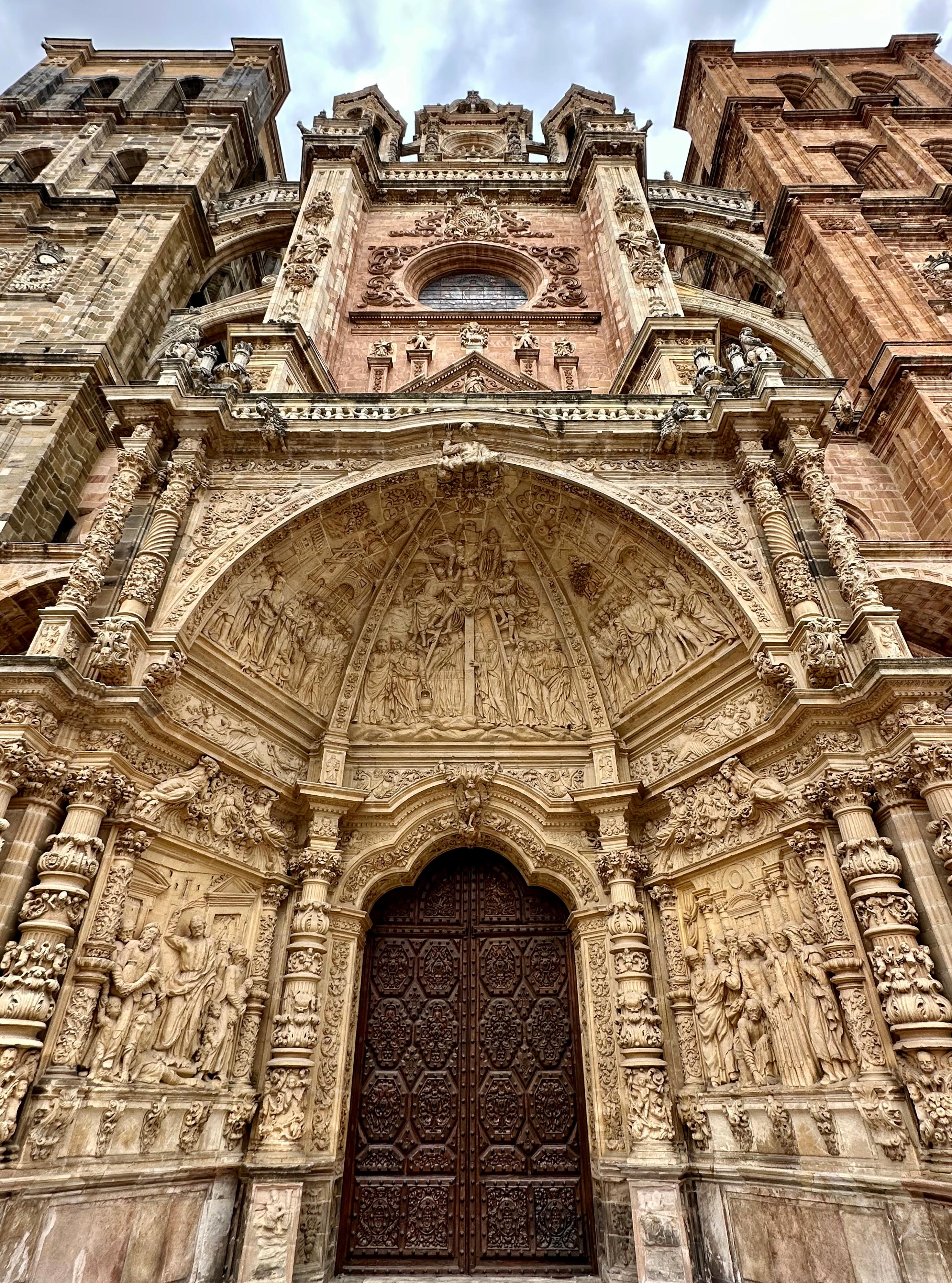
But soon enough I wanted to see a bit more of the town in general and the cathedral in particular, so I set out to explore. The place is steeped in history. The cathedral, Catedral de Santa María de Astorga, is even older than the one in León, and has Gothic, Neo-Classicist, Baroque and Renaissance features. At the Plaza Cathedral, Gaudí designed the rather sensational building known as the Bishop’s Palace, which looks like something out of a Disney movie. St. Francis of Assisi allegedly came here on his pilgrimage to Santiago in 1212, and there is a church named after him, to mention a few.

I chose to explore the cathedral which also has a museum, packed to the brim with artworks, sculptures and precious artefacts and jewels. But it was the cathedral itself that I enjoyed visiting. There is something about cathedrals with their soaring heights and intricate detailing that is truly impressive but also gives room for reflection and contemplation, and it was a good place to set the tone for my Camino.

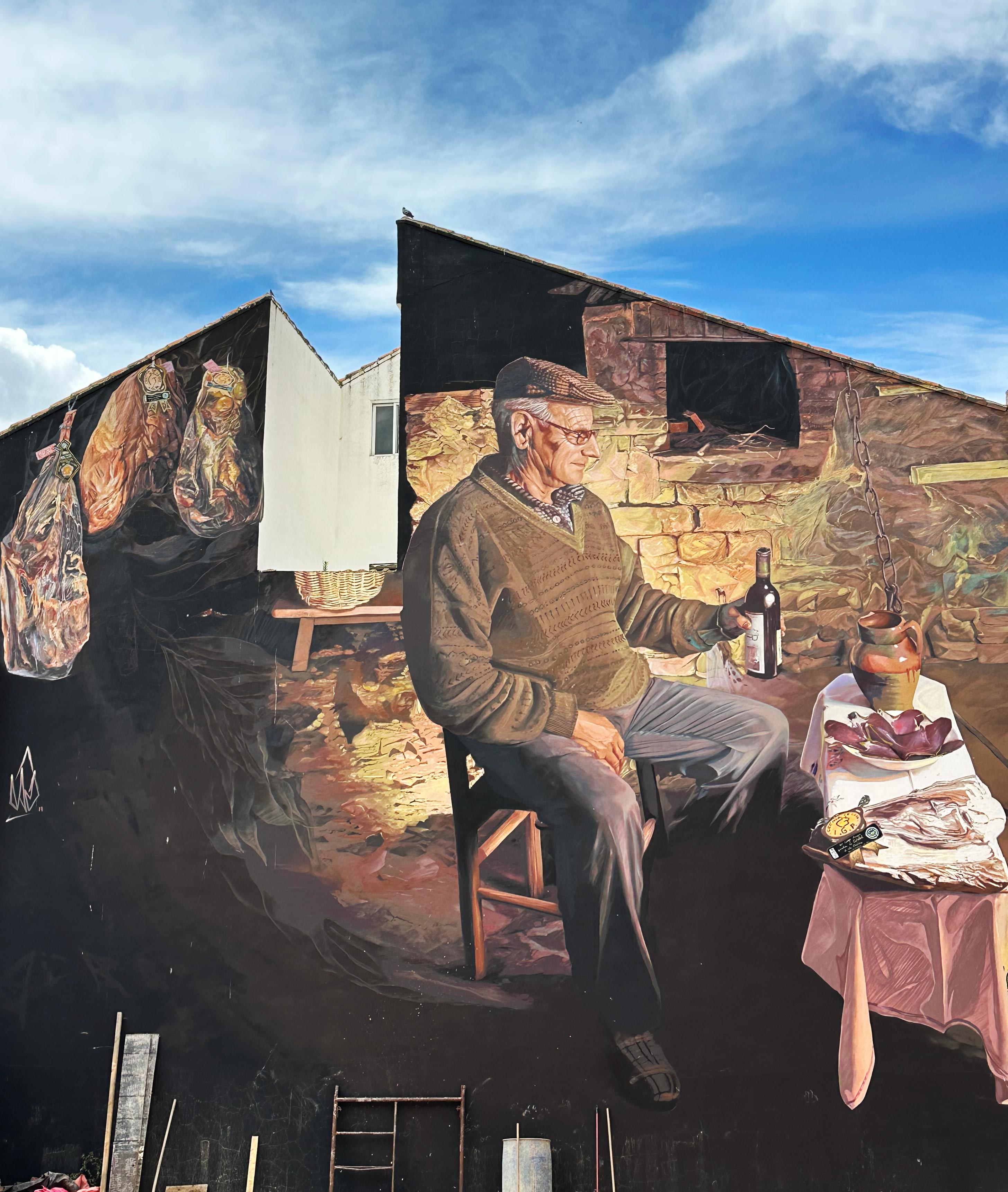
Walked past this mural on a house gable that reminded me that I was ravenous, as I had hardly eaten anything all day.


I always like to inquire the locals about their favourite haunts, so I asked the friendly people I was staying with about theirs, and was pointed in the direction of the restaurant Serrano where I tucked in and ate so heartily that the chef himself came out to greet me when I had polished of the last morsel on my plate.

I’m not exaggerating, this was a big helping with a green salad as a starter and a little treat as a complimentary starter, and I licked the platter clean!

Happy and satisfied I went back to my lovely lodgings to have an early night. Tomorrow, I start my Camino! 

My Camino stages from Astorga to Santiago de Compostela. I had a different approach this time, where I now have fixed day stages, as opposed to last time when I took each day as it came and only booked the first two days, as availability of beds on top of O Cebreiro always is limited. Better or worse? Let´s see.


Check out my earlier posts to get the full context of this pilgrimage or my latest Camino, and sign up to be notified when the next post is released.
If you enjoyed this post, please give it some love by sharing and liking it!

All photos copyright Anita Martinez Beijer © All rights reserved

The Camino de Santiago is a pilgrimage rooted in medieval origins. It leads to the tomb believed to be that of the Apostle Saint James the Greater, in the crypt of Santiago de Compostela Cathedral. The Camino was, and still is, Europe’s oldest, busiest, and most well-known route.
https://artsandculture.google.com/story/OAWBDrH9T-6yKQ

The Design Sheppard’s book review

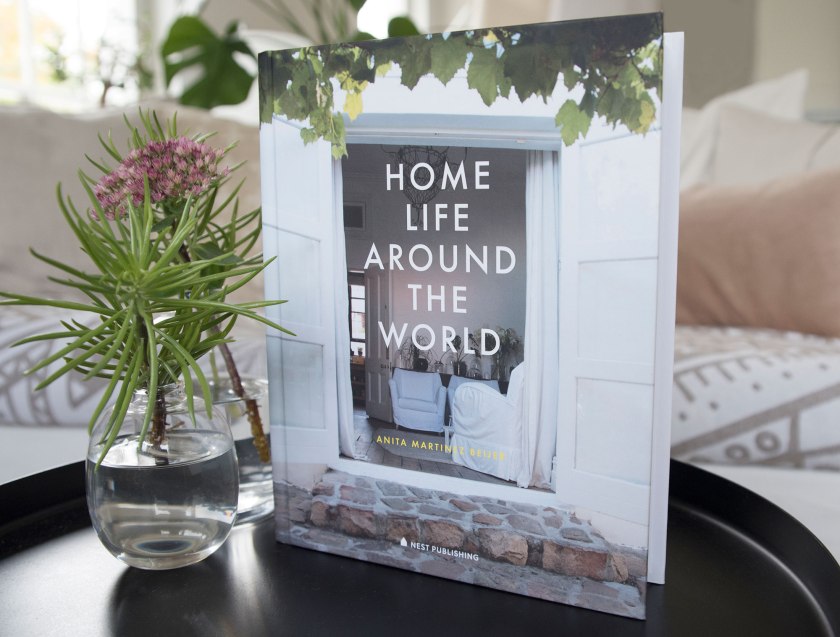
I’m delighted that brilliant blogger Stacey Sheppard wrote a great review about the book Home Life Around the World. Her award winning blog, The Design Sheppard, is one of the leading interior design blogs in the UK. Her blog has been appointed by Vuelio as one of the top 10 interior design blogs in the UK, every year since 2015. I’m honoured. I’m also over the moon that she so totally gets what the book is all about!

Read her review here:

Book Review : Home Life Around The World

Slow living

The hectic lifestyle of modern society is fast-paced and many times stressful. As we struggle to keep on top of everything, we are often left feeling drained, overwhelmed and disconnected from the important values in life. Our basic needs today though are the same as they always have been. We still need to be seen, appreciated and to connect in a meaningful way with each other. To be emotionally close, to be cared for and care for others and to love. Is it possible to step back and create a lifestyle that has a more relaxed and leisurely pace, in able to achieve a peace of mind and happiness? Can our homes help us with this?

Several of the homes in the book Home Life Around the World reflect a lifestyle known as “slow living”. Slow living emphasizes a slower approach to aspects of everyday life and started with the slow food movement as a reaction to fast food. Well-being, simplicity, a sustainable lifestyle and consciousness are some of the qualities that define this lifestyle.

“Slow down and enjoy life. It’s not only the scenery you miss by going too fast – you also miss the sense of where you are going and why.” Eddie Cantor.

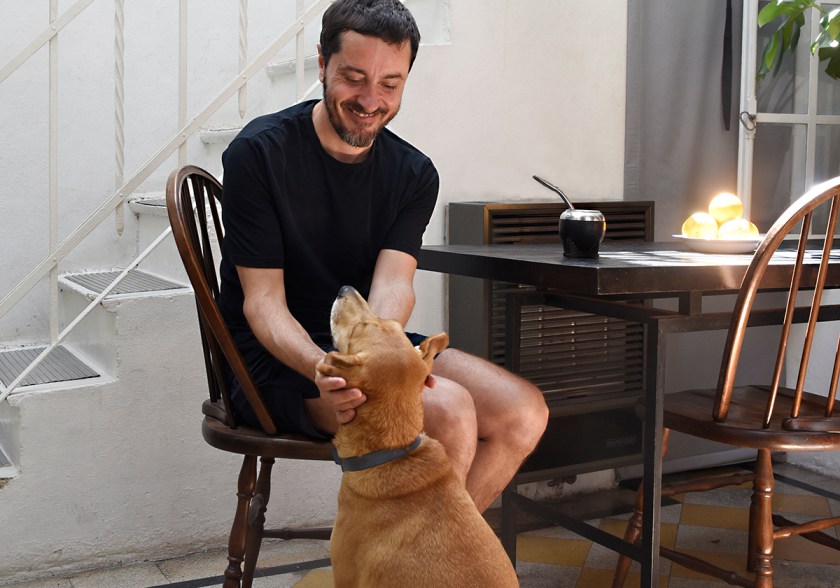
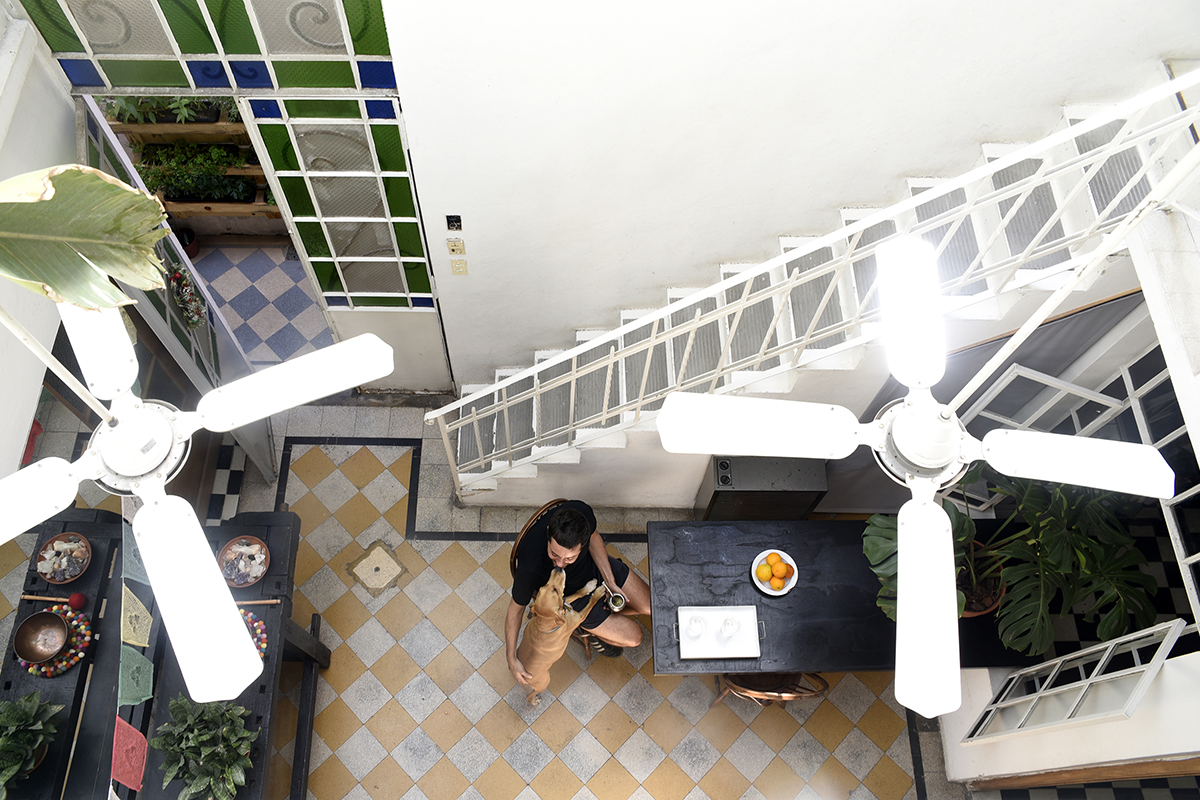
Quietness is a quality that’s hard to find in our cities today and can be regarded as a luxury. For architect Nicolás his need of silence is very important. He is fortunate to live in the centre unit of a PH house, an architectural style of house typical for Buenos Aires, that extends horizontally and inwards toward the centre of the block. Inside his house it’s extremely quiet and there isn’t a hint of the bustling city outside.

“My home has to be a place where I can rest and relax,” he says. “There is too much information outside. But it doesn’t have to be minimal. I need plants. And I need the different areas of the house for what they offer. My home is the most important place on earth.”

“I like to be at home, to cook and to take care of the plants,” he tells me. “I enjoy being alone. And I relish silence. There is a famous saying in Italy: ‘Il dolce con niente.’ It means ‘The sweetness of doing nothing.’ Our culture now is very fast-paced and stressful. It’s all about producing, delivering and being efficient. So I like to indulge in the sweetness of doing nothing as often as I can.”

Cecilia achieves equilibrium in her life by creating visual quietness in her home. In order to unwind from her work as a photographer and her store of homeware products, a place she describes as busy and chaotic but stimulating, she needs the bare white walls of her home and few but much loved items of furniture and decoration.

“Both of them have the contrasts that I crave, chaos and calmness”, she clarifies. She loves the tactile feel of a rough tabletop or the soothing feel of the textile cover of a coffee table book. When at home she enjoys ordinary day-to-day tasks like cooking and watering plats. Tasks that make her relax and connect with herself.

“My home is a place where I nurture my soul”, she says.


A home that also reflects the slow living concept is Rosi and Martin’s off-the-grid house ‘Via Verde’ on the coast of Uruguay, close to Brazil. This house is a ‘passive house’ and they built it themselves. A passive house is a standard for energy efficiency that reduces the ecological footprint. Rosi from Argentina and Martin from Spain, met in Buenos Aires, where they both worked as journalists. After a stint in London they knew that they would return to South America one day and start a family in a natural environment. They wanted to create a sustainable project and to be able to be together as a family on a daily basis.

“On the whole it has been a massive learning curve,” Martin says about building a house without prior experience. “It’s been everything from pleasant, to intense, to exceedingly difficult.But all in all we are pleased with the end result and with the lifestyle it has allowed us to have.”

“You had an idea to live in a more sustainable way and to live off-the grid in harmony with nature. But did it also include the idea of community living?” I ask, because this is large house with many bedrooms. Rosi and Martin rent out rooms and people come from all over the world to stay in summertime.
“We wanted to live in a more sustainable and green way. But try as we might, we are also inconsistent. We can’t always accomplish what we strive for. More than anything, we wanted a place that we could share with like-minded and learn from each other, so we built the house with that in mind.”

“I had my childhood home as a role model,” says Martin. “It was a large house open to everyone. People always came and went, strangers and friends alike. Every weekend the house was filled with food, music, old friends and new acquaintances.”

“You have a house full of people now. We are ten guests staying here and you have your own family with a baby.  But you don’t have a washing machine or a dishwasher. Does the green lifestyle also entail a more difficult way of living per se?”
“I was close to my grandparents when I grew up. They used to talk about the time when they were young in the early 1900s. They didn’t have any electricity or running water indoors and had to go down to the river to wash their clothes. And the waste they produced had to be reused in some way. But they always claimed that life was good. It was hard but not unbearable. It’s the same here I think. I believe to suffer a little is good. Of course I would like to have all the comforts available in the 21st century. But what I don’t want to have are the levels of consumption of the 21st century.”

These are excerpts from the book Home Life Around the World. Find out more about these and the other exciting homes in the book:

Hardcover available via Ingram Book Group retailers worldwide such as Barnes & Noble, Foyles, Waterstones, Blackwell’s, Adlibris, Booktopia and Amazon.
eBook available via iBooks Store, Amazon, Kobo and Google Play.
Ebook: ISBN 978-91-984455-1-0
Kindle: ASIN B079VDPBVF
Hardcover: ISBN 978-91-984455-0-3

Copyright and photo: Anita Martinez Beijer


How to embrace autumn

Autumn has arrived in my part of the world and I feel my spirits lift on my walks, when I take in the beautiful scenery of leaves that are turning into every shade of red and yellow. The mornings are becoming crisp and even though the weather is mild at the moment, one has the feeling that in no time at all it’s time for wooly mittens, scarves and coats and summer is a mere memory.

How do I approach the change of the seasons? As I’ve mentioned earlier I became inspired by Wabi Sabi, when I visited the home of Elissa in New York, on my travels to explore what a home means to people*. Wabi Sabi is a Japanese philosophy that embraces the transience of life, whether nature’s changes, the different phases of human existence or the imperfections found in objects. The keyword that has worked for me is the word embrace. I do so love that word!

I found that in actively changing my thoughts about a change I don’t particularly like or look forward to, has actually helped to transform it into a quite different experience. Winter for me is a season I find especially challenging, but this previous winter actually went quite well. Why? Because I embraced it and tried to highlight it’s advantages. Winter is the perfect time to be cosy, light the candles and snuggle down in the sofa and read more books, eat hearty meals after long walks in the cold, enjoy being warm and cosy whilst looking out of the window and seeing the snow building soft mountains outside. You get the picture.

As it’s presently autumn in Sweden I have begun to make changes. Here are my best tips on how to create a cosy home in the autumn.

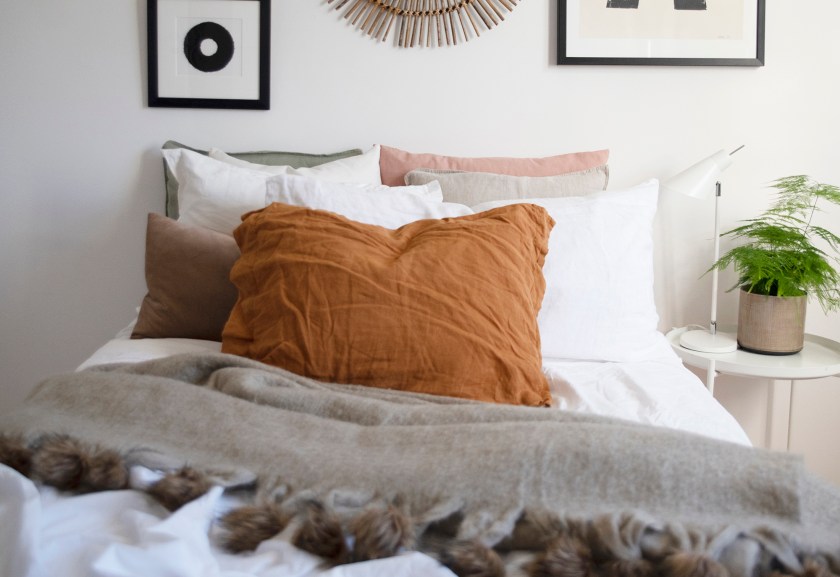
Bring in those earthy hues. Rust is a favourite at the moment. Pillowcases preferably in linen. The more creasy they are the better! It makes a very homely feel. New pillowcases is a great way to get an instant change at a low cost.

The best way to create that cosy feeling is to layer. The more the merrier. Pile them up! Here I have a mixture of linen, cotton and velvet.

Bring out the plaids and blankets. Change the colour depending on the season. Think about adding different textures to the room. The earthy beige of this new soft pom pom plaid made the room super cosy!

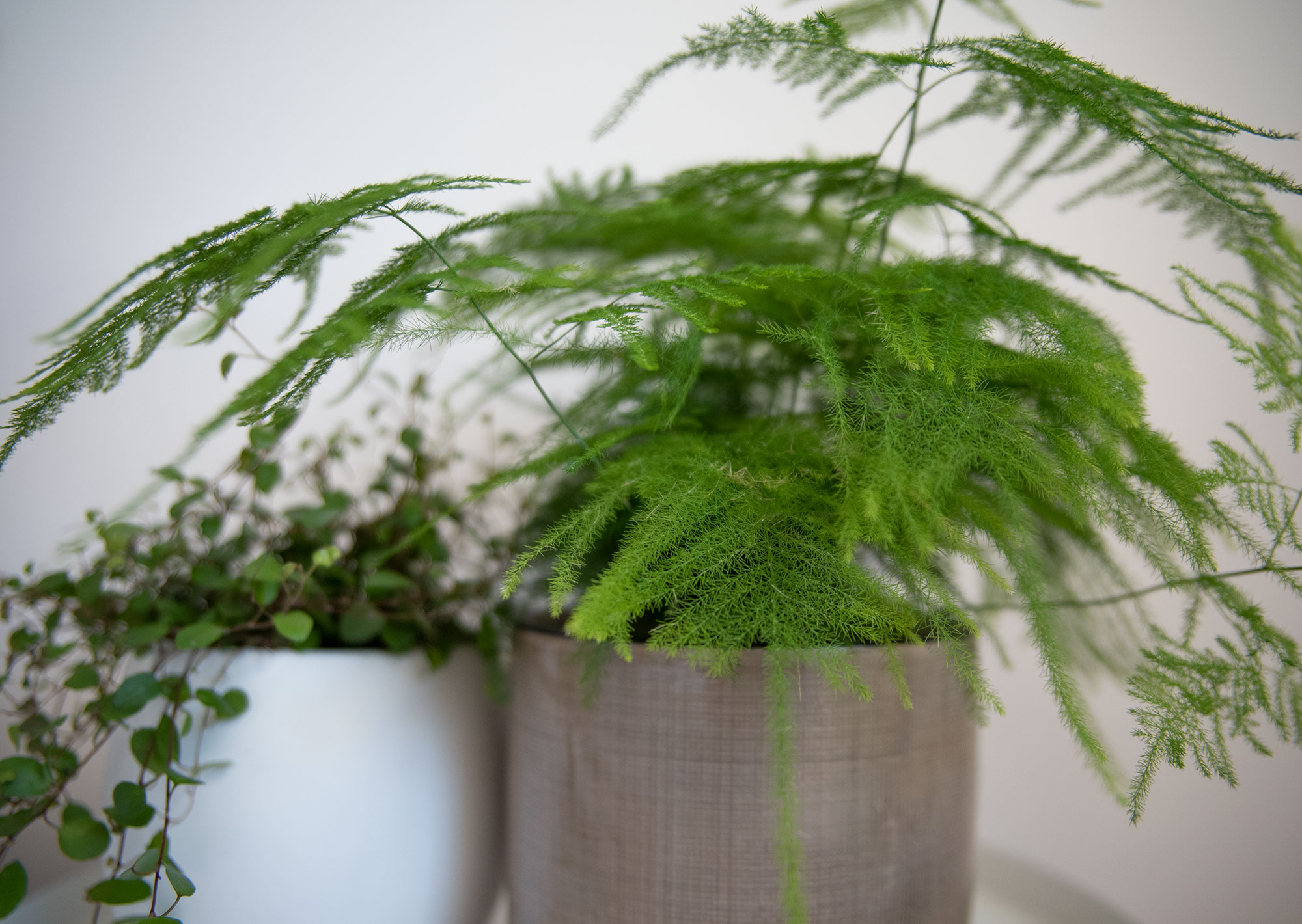
When the leaves start to fall I fill my home with pot plants to compensate the loss of greenery outside. I crave greenery around me! Plants are also a great way to improve the air indoor that tend to get very dry in the winter.

I hope this will inspire you to get really cosy at home!

* You can find the chapter about Elissa’s home and about Wabi Sabi in the book Home Life Around the World.

Colour of the year 2019

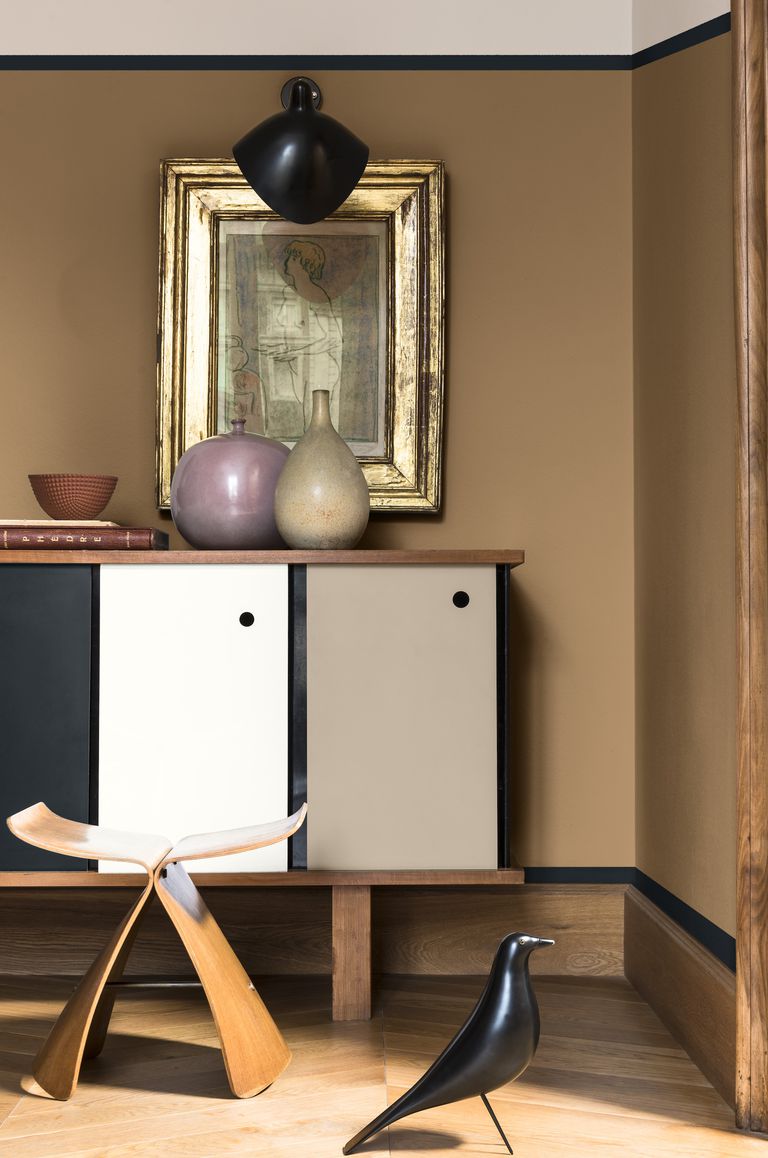
UK paint brand Dulux has appointed ‘Spiced Honey’ as the colour of the year 2019, as part of the brand’s industry-acclaimed ColourFutures trend forecast. Spriced Honey is a versatile shade filled with warm and inviting tones of amber and rich caramel.

“2018 was an unsettling and unpredictable time,’ says Dulux. ‘We were overwhelmed by the deluge of news, choices and demands upon our time, causing us to close up and retreat into spaces where we feel safe and cocooned. We pressed pause and took time to regroup.”


“As we move forward into 2019, we find this pause has given people time to re-energise and deal with the sense of unpredictability with positive action, optimism and purpose. If the unpredictability of last year forced people to retreat and regroup, 2019 is the time for their awakening. We are ready to ‘Let in the Light’.”

Other paint brands such as Jotun have similar shades in their new colour palette for 2019. Jotun’s RAW-Palette we find warm earth colors, neutral gray shades and burnt reddish tones.

LADY 12085 Rural

LADY Pure Color 20118 Amber Red och 12075 Soothing Beige

LADY Pure Color 20120 Organic Red

Jotun’s color palette consists of warm earth colors, neutral, gray shades and burnt reddish tones.

I interpret this colour trend as a return to a basic lifestyle and a need to connect and strengthen contact with the earthly, rustic and genuine. Back to our roots, back to our caves. Perhaps our days of cocooning aren’t over yet?

Photos courtesy: Dulux and Jotun (photo:Line Klein Studio and styling: Kråkvik & D’Orazio)